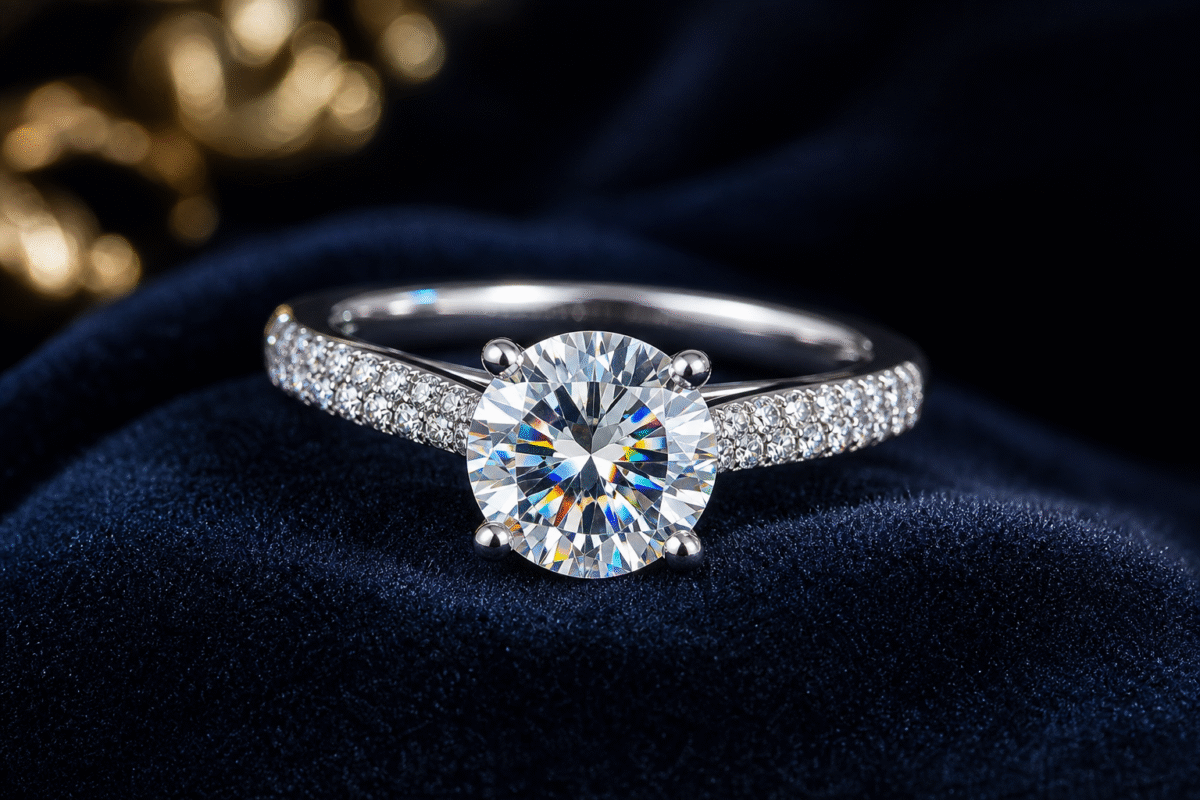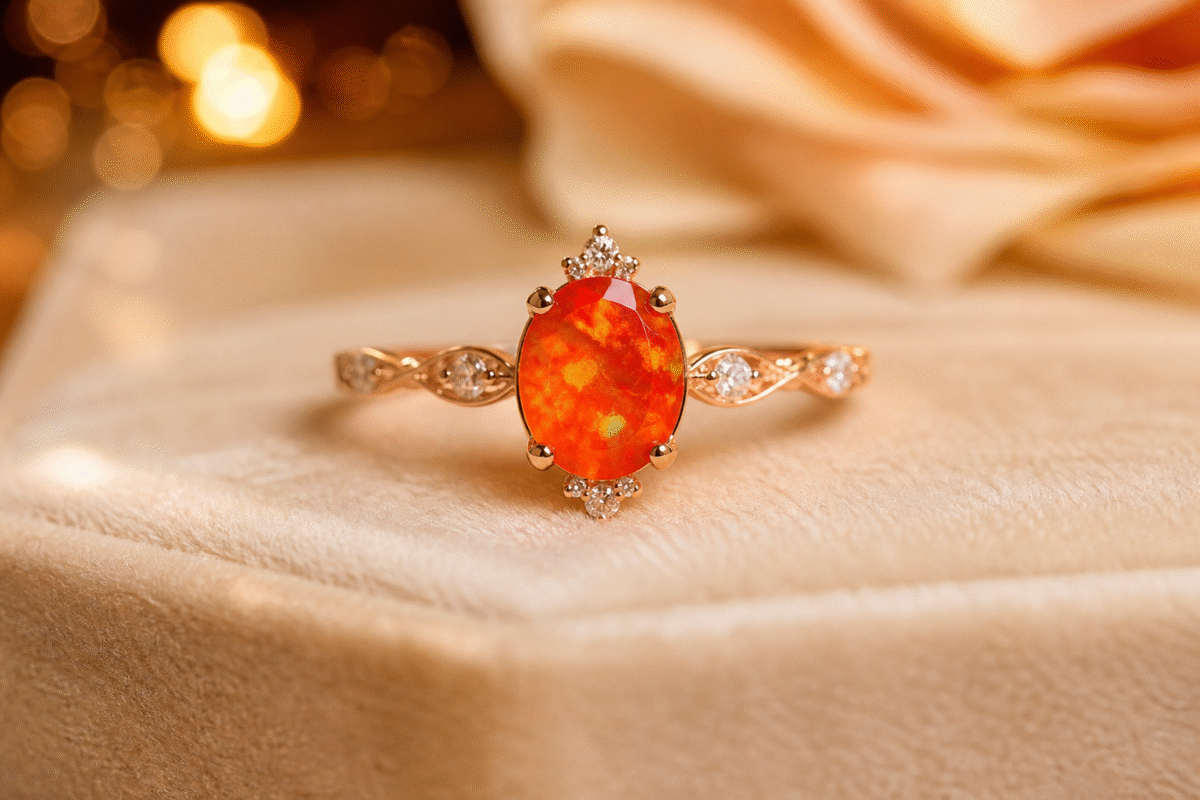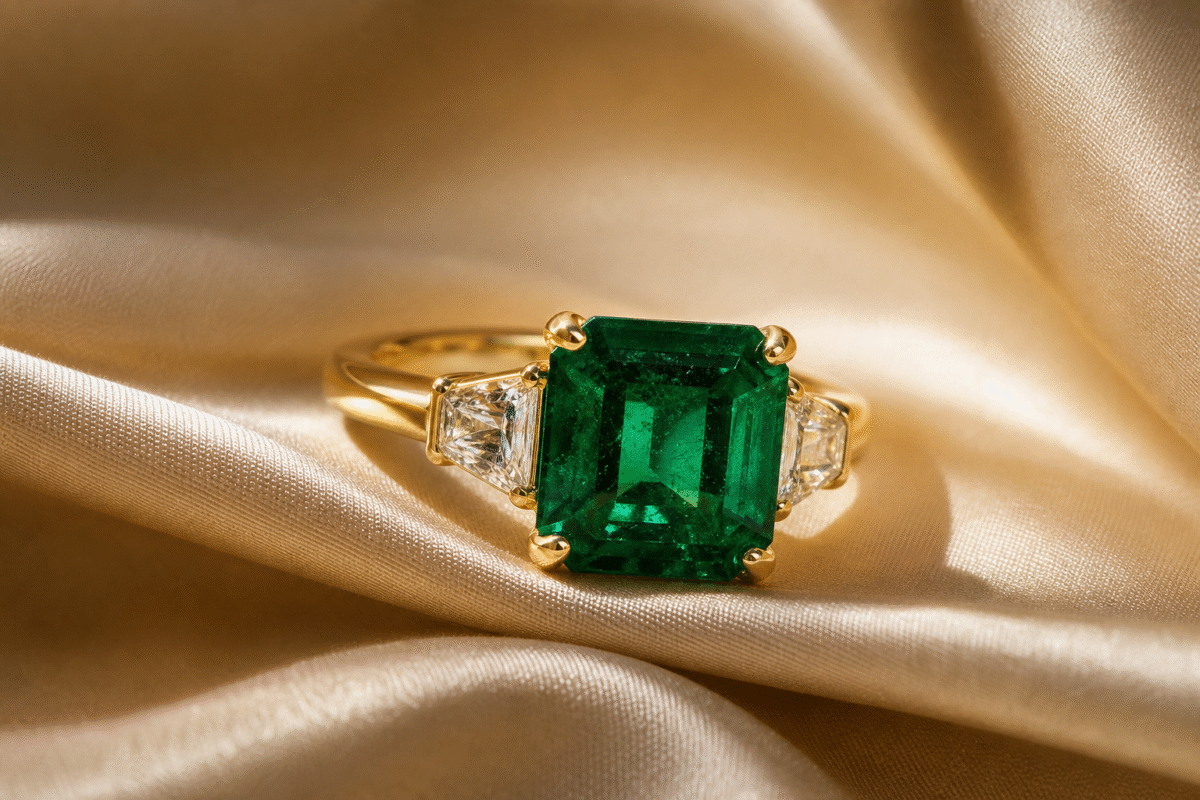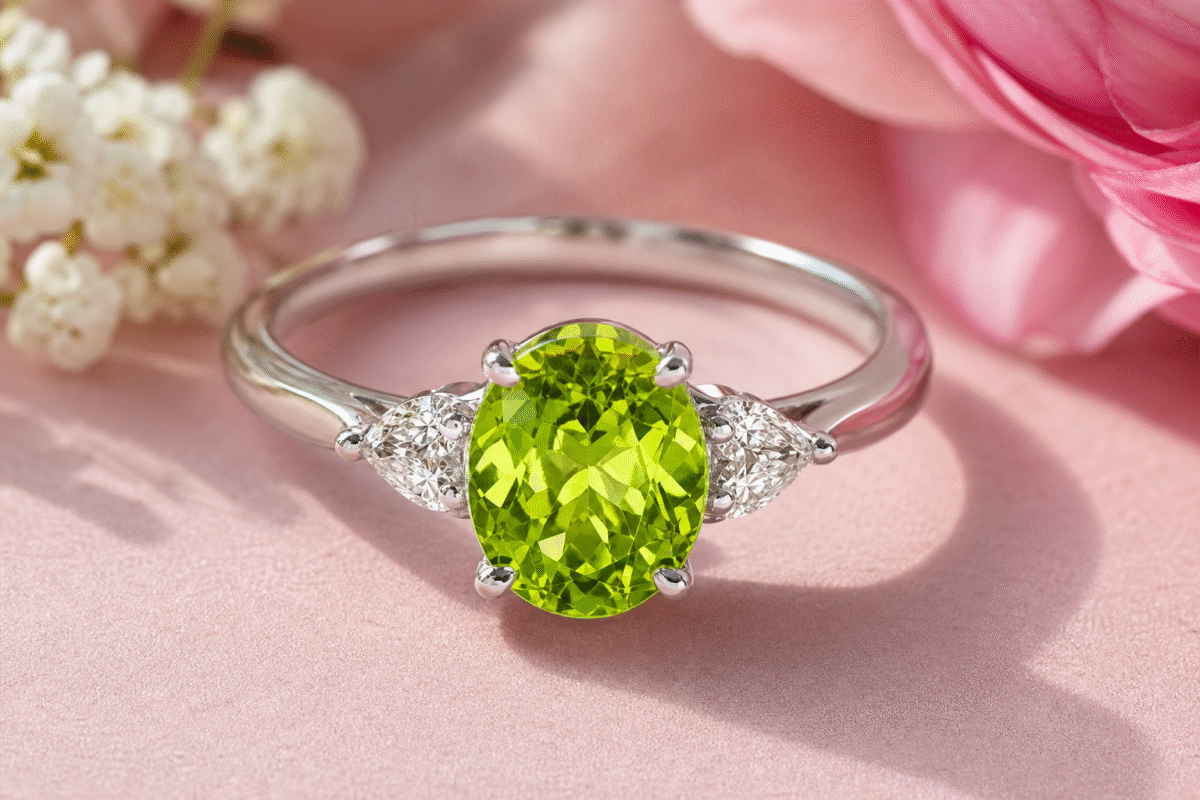
The Emerald Ring: A Timeless Symbol of Elegance and Love
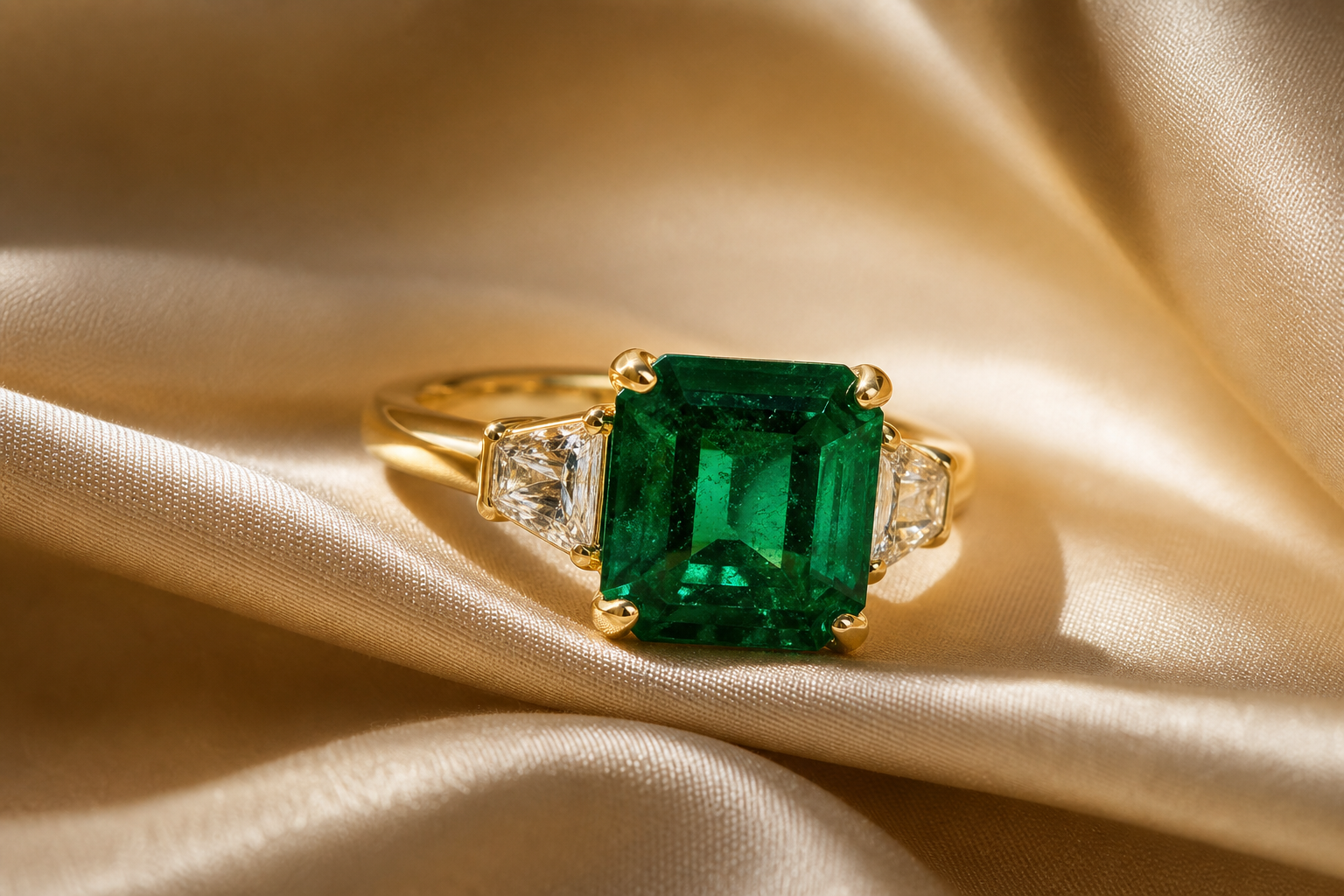
The emerald ring has long been celebrated as one of the most captivating symbols of sophistication, passion, and renewal. Its deep, vibrant green hue evokes lush forests and the promise of growth, making it a perfect emblem of everlasting love and vitality. Whether worn as a statement piece or a subtle accent, an this green beryl ring holds a unique place in the world of fine jewelry — a timeless treasure that resonates across cultures and centuries.
According to the Gemological Institute of America (GIA), emerald is the most prized variety of the mineral beryl, with a chemical composition of Be₃Al₂(SiO₃)₆ colored by trace amounts of chromium and sometimes vanadium. The GIA classifies the gemstone among the “Big Three” colored gemstones — this green beryl, ruby, and sapphire — which together generate more economic activity than all other colored stones combined.
History and Cultural Significance of Emerald Rings
Historically, emeralds have been cherished since ancient times. Cleopatra’s legendary obsession with emeralds put these exquisite gemstones in the limelight, elevating their status from mere adornments to symbols of power and eternal youth. The International Gem Society (IGS) notes that Egyptian emerald mines, known as “Cleopatra’s Mines,” were operational as early as 330 BC and remained the primary source of emeralds for Europe and Western Asia for centuries.
From the majestic courts of Egypt to the mysterious treasures of South America, emeralds have always carried an air of mystique and grandeur. The Spanish conquistadors discovered vast emerald deposits in Colombia during the 16th century, and today Colombia remains the world’s leading producer, accounting for approximately 50-95% of the global this precious stone supply. Research published in Gems & Gemology journal confirms that Colombian emeralds are prized for their pure green color with slight bluish undertones, often considered the benchmark for quality.
Their rich, verdant shade is often associated with fertility, rebirth, and spiritual renewal, making them much more than just beautiful stones — they are carriers of profound symbolism. The emerald is the birthstone for May and the traditional gemstone for 20th and 55th wedding anniversaries.
Gemological Properties: What Makes Emeralds Special
The allure of the emerald ring lies not just in its color but also in its rarity and unique characteristics. According to the GIA grading system, the most desirable this verdant gem color is a slightly bluish green in a medium dark tone with strong to vivid saturation. Key gemological properties include:
- Mohs Hardness: 7.5 to 8 on the Mohs scale, making emeralds suitable for daily wear with proper care
- Refractive Index: 1.577 to 1.583, contributing to the stone’s distinctive brilliance
- Specific Gravity: 2.72, slightly lower than sapphire or ruby
- Crystal System: Hexagonal, which influences how the stone is cut
High-quality emeralds are known for their unique internal characteristics such as “jardin” (French for garden), which refers to the natural inclusions that resemble tiny foliage or landscapes within the stone. The IGS explains that unlike diamonds, where inclusions reduce value significantly, emerald inclusions are expected and even appreciated as proof of natural origin. These inclusions are part of the stone’s charm, confirming its authenticity and adding to its personality.
Emerald Cuts and Craftsmanship
Creating an emerald ring requires exceptional skill. While the gemstone’s hardness of 7.5-8 is comparable to that of a topaz, it can be more fragile due to its natural inclusions and the presence of internal fractures. Expert lapidaries delicately shape and cut the this green beryl to maximize its brilliance while minimizing internal flaws.
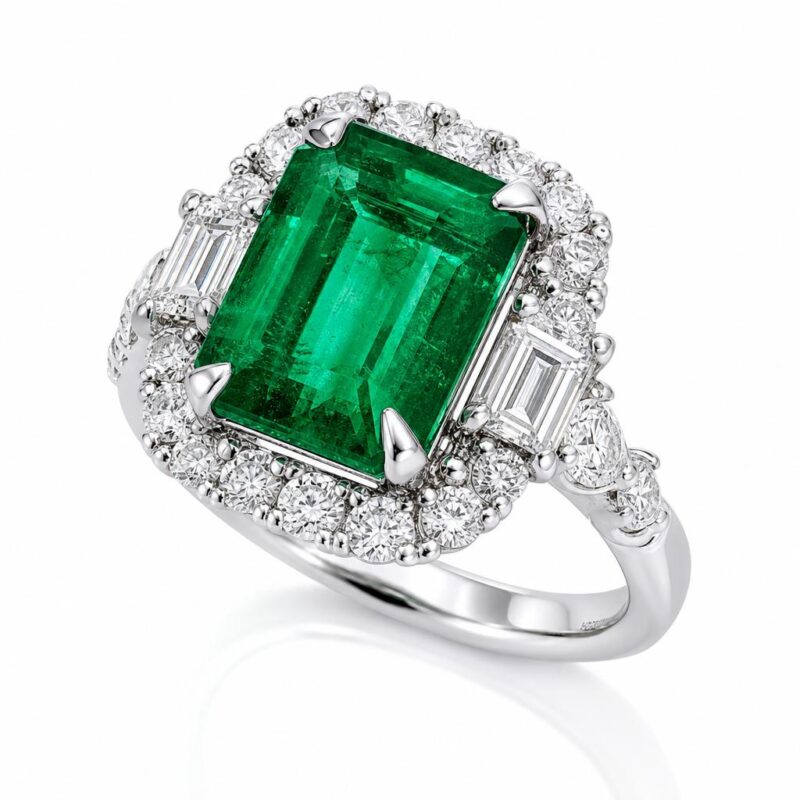
The most popular cut for emeralds is the rectangular step cut, or “emerald cut,” which was specifically developed for this gemstone. According to the American Gem Society (AGS), this cut features truncated corners that protect the stone from mechanical damage while accentuating its clarity and regal depth. Other popular cuts include:
- Emerald Cut: The classic choice, maximizing color display and minimizing waste
- Oval Cut: Offers brilliance while maintaining good carat weight
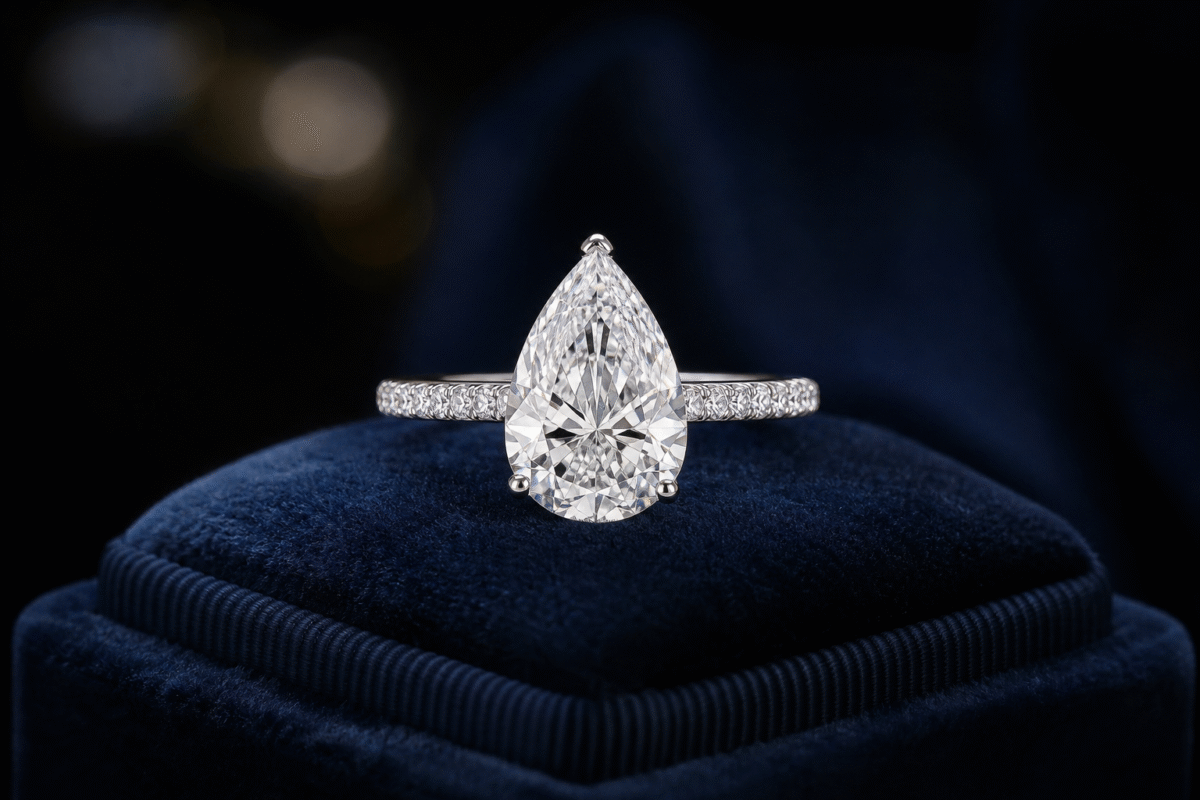
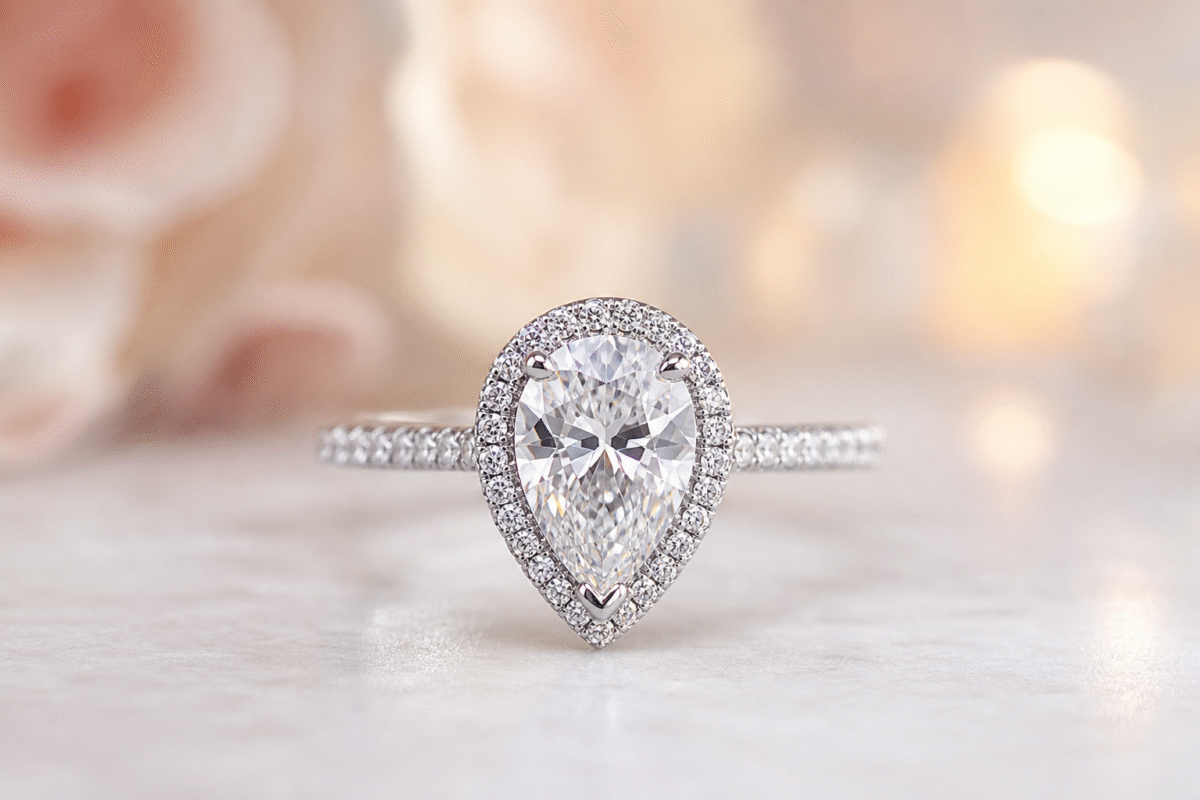
- Pear Shape: Elegant and distinctive, ideal for pendants and rings
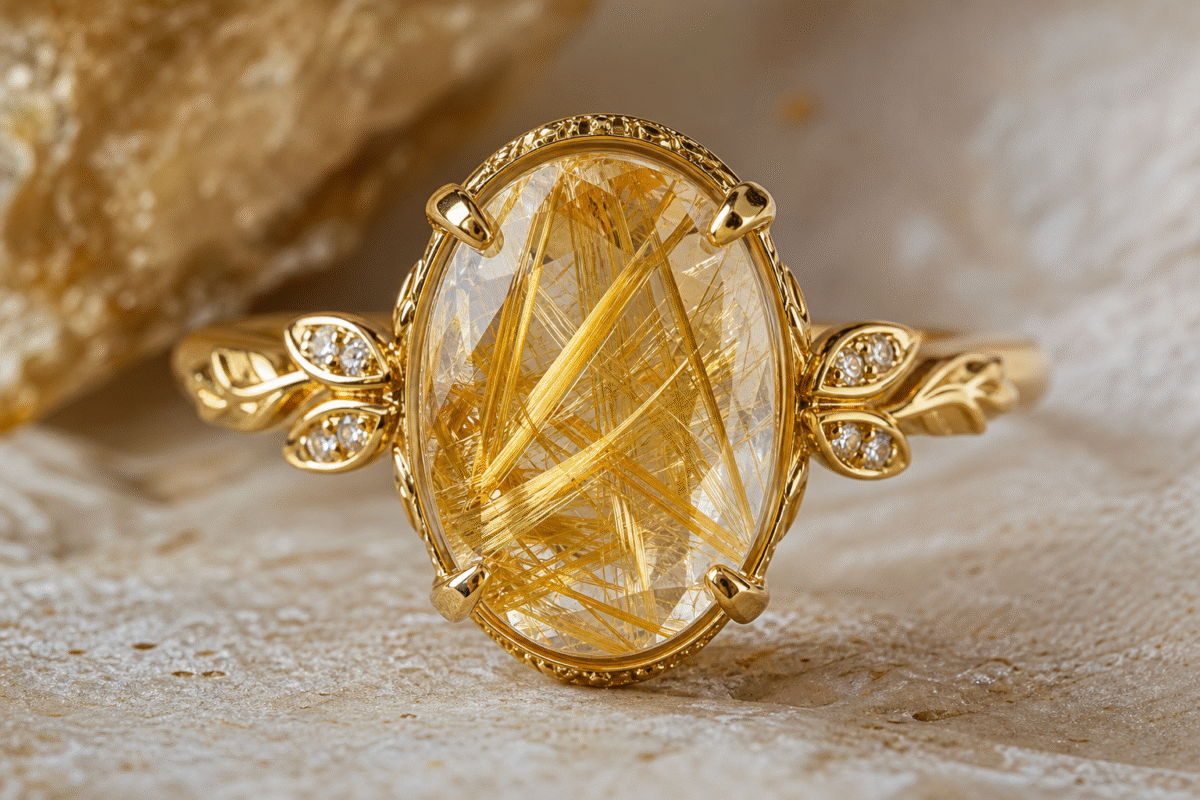
- Cabochon: Used for stones with heavy inclusions, creating a smooth domed surface
Choosing the Perfect Emerald Ring Setting
Designing an emerald ring offers endless possibilities — from classic solitaires to elaborate vintage-inspired settings adorned with diamonds or other complementary gemstones. Designers often choose platinum or white gold to enhance the vivid green, while vintage styles can feature intricate milgrain detailing or engraved bands, echoing the rich history and artistry behind these pieces.
When selecting a setting, consider these factors recommended by gemological experts:
- Protective settings: Bezel or halo settings offer additional protection for the stone
- Metal choice: 18K yellow gold creates a warm, classic look; platinum provides modern elegance
- Side stones: Diamonds or white sapphires complement emeralds beautifully
- Prong style: Four-prong settings allow maximum light entry while securing the stone
Emerald Ring Pricing and Value
The price of emerald rings varies dramatically based on quality factors. According to industry data compiled by the GIA, the gemstone pricing follows these general ranges:
- Commercial grade (1 carat): $200 – $900 per carat
- Good quality (1 carat): $1,000 – $5,000 per carat
- Fine quality (1 carat): $5,000 – $15,000 per carat
- Exceptional/Museum quality: $15,000 – $100,000+ per carat
The most valuable emeralds exhibit vivid green color with high transparency and minimal visible inclusions. Origin also affects value — Colombian emeralds typically command premium prices, followed by Zambian and Brazilian stones.
Symbolism and Meaning of Emerald Rings
Beyond aesthetics, emerald rings are often imbued with deep symbolism. In many cultures, they are believed to promote harmony, balance, and physical healing. Indian tradition regards emeralds as a “stone of wisdom,” thought to improve mental clarity and emotional stability. The Gemological Institute of America documents that emeralds have been associated with Venus, the goddess of love, since Roman times.
In contemporary times, gifting an emerald ring can symbolize renewal, growth, and hope — perfect sentiments for marking life milestones such as engagements, anniversaries, or personal triumphs. Notable this precious stone engagement rings include those worn by Jacqueline Kennedy, Halle Berry, and Victoria Beckham.
Caring for Your Emerald Ring
The green gemstone’s significance extends beyond its beauty and symbolism; proper care ensures it lasts for generations. The GIA recommends the following care guidelines:
- Cleaning: Use warm soapy water and a soft brush; never use ultrasonic or steam cleaners
- Storage: Store separately from harder gemstones to prevent scratching
- Wearing: Remove during physical activities, gardening, or household cleaning
- Re-oiling: Most emeralds are treated with cedar oil; periodic re-oiling by a professional maintains appearance
Sustainable and Ethical Emerald Sourcing
Sourcing emeralds responsibly has become an industry focus, encouraging miners and jewelers to adhere to ethical standards. The Responsible Jewellery Council (RJC) has established certification programs for emerald supply chains. Lab-grown emeralds have similarly gained popularity, offering a sustainable alternative without compromising on color or clarity. These eco-friendly options make this verdant gem rings an even more meaningful choice for modern jewelry enthusiasts.
As you explore the world of emerald rings, you’ll find that each piece tells its story — of nature’s artistry, human craftsmanship, and personal emotion. Whether you’re captivated by the history, drawn to the vibrant color, or inspired by the symbolism, an this green beryl ring remains a perennial favorite among lovers of fine jewelry. Discover our curated collection of the gem rings to find the perfect piece that speaks to your heart.
Related Articles
Continue reading for more gemstone guides:
- The Ultimate Guide to Opal Rings: Types, Colors, and Meaning
- Moss Agate Rings: Nature’s Beautiful Gemstone for Everyday Elegance
- Sapphire vs Ruby vs Emerald: Which Gemstone Ring Is Right for You?
- How to Care for Your Gemstone Jewelry: Expert Tips for Long-Lasting Beauty
Ready to find your perfect piece? Browse our handcrafted collection and discover gemstone jewelry that tells your unique story.
Frequently Asked Questions
Are emerald rings suitable for everyday wear?
Yes, emerald rings can be worn daily with proper care. With a Mohs hardness of 7.5-8, emeralds are reasonably durable. However, the GIA recommends choosing protective settings like bezel or halo designs and removing the ring during strenuous activities. Avoid exposing emeralds to harsh chemicals, extreme temperature changes, or ultrasonic cleaners, as these can damage the stone or dissolve oil treatments.
How can I tell if an emerald is real or synthetic?
According to the International Gem Society (IGS), natural emeralds typically contain visible inclusions called “jardin,” while synthetic emeralds tend to appear too clean. A certified gemologist can use specialized equipment to examine refractive index (1.577-1.583 for natural emeralds), specific gravity, and inclusion patterns. Always request a certificate from a reputable laboratory such as GIA, AGL, or Gübelin when purchasing high-value emeralds.
What is the best metal setting for an emerald engagement ring?
Platinum and 18K white gold are popular choices as they complement the green hue beautifully and provide excellent durability. Yellow gold creates a classic, warm aesthetic that has been traditional since ancient times. The American Gem Society recommends considering your lifestyle and skin tone when choosing — platinum offers the most protection due to its density, while gold provides warmth and tradition at a lower price point.
How much should I expect to spend on a quality emerald ring?
Quality emerald rings range from $500 for commercial-grade stones to $50,000+ for exceptional specimens. A good-quality 1-carat this precious stone typically costs between $1,000-$5,000 per carat, with the setting adding $500-$3,000 depending on metal and design. Colombian emeralds command premium prices due to their superior color. The total budget for a fine the gemstone engagement ring typically ranges from $2,000 to $15,000.
Do emeralds require special maintenance compared to diamonds?
Yes, emeralds require more careful maintenance than diamonds. The Gemological Institute of America notes that approximately 90% of emeralds are treated with oils or resins to enhance clarity. These treatments can deteriorate over time, requiring periodic re-oiling by a professional jeweler (typically every 1-3 years). Clean emeralds only with warm soapy water and a soft cloth — never use ultrasonic cleaners, steam, or harsh chemicals that can strip the oil treatment.
Emerald Rings for Women: The Complete Buying Guide & Styling Tips
Few gemstones command attention quite like the emerald. With its rich green hue and centuries of royal heritage, an emerald ring for women represents far more than a beautiful accessory—it is a statement of elegance, wisdom, and timeless sophistication. Whether you are shopping for an engagement ring, a milestone anniversary gift, or a personal treat, this comprehensive guide covers everything you need to know before making your purchase.
What Makes Emerald Rings So Special?
Emeralds belong to the beryl mineral family and owe their signature green color to trace amounts of chromium and vanadium. According to the Gemological Institute of America (GIA), emeralds have been prized for over 4,000 years, with the earliest known mines located in Egypt. Cleopatra famously adorned herself with emeralds, and the Incas considered them sacred offerings to their gods.
What sets emeralds apart from other green gemstones is their unique combination of color saturation, historical significance, and rarity. Fine-quality emeralds can rival or even exceed the per-carat price of diamonds, making them one of the “Big Three” colored gemstones alongside rubies and sapphires.
What Are Opal Rings?
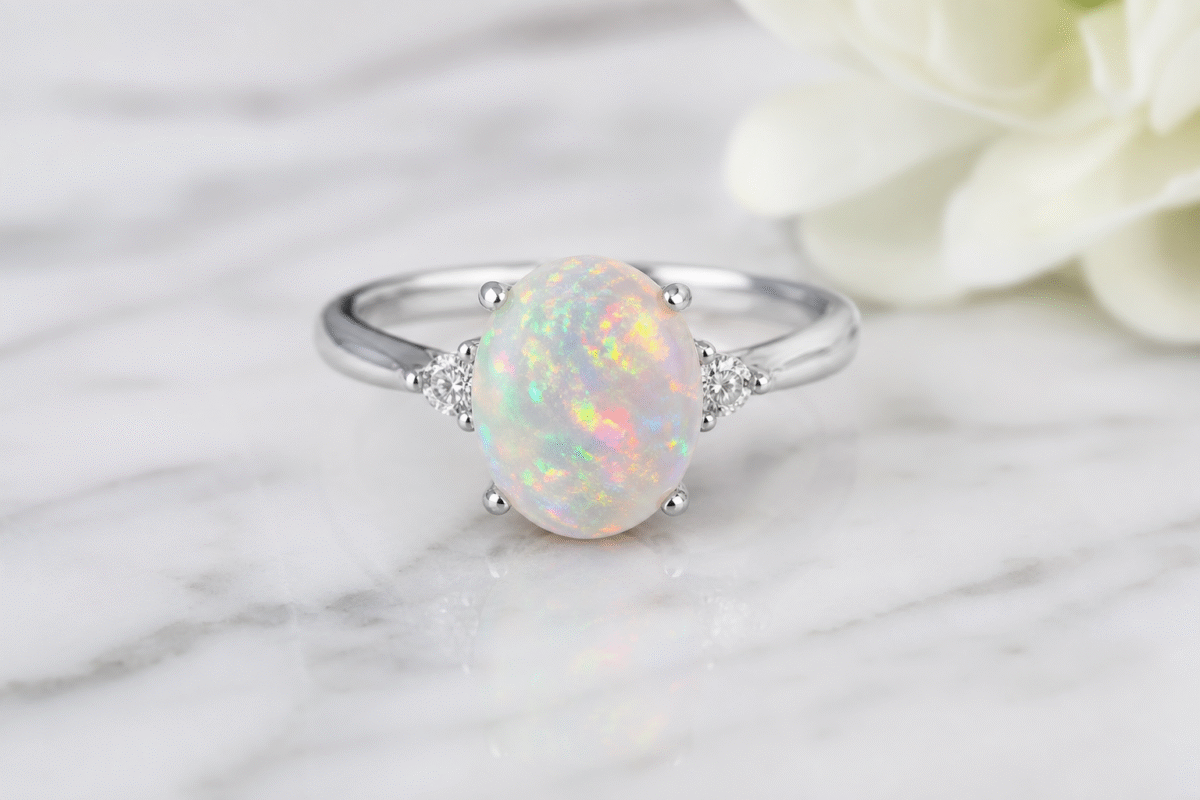
Opal rings are among the most visually captivating gemstone jewelry in the world. Known as the “gem of gems” since Roman times, opals are formed from silica gel that seeps into cracks and fissures in rocks, eventually hardening into this remarkable mineraloid. Unlike most gemstones, opals are not crystalline structures—they’re composed of tiny silica spheres that diffract light, creating the famous “play of color” that makes each opal unique.
The value of an opal ring depends on several factors: the intensity and range of its color play, the background color (black and dark body tones command higher prices), the pattern displayed (harlequin and pinfire are highly sought after), and the absence of cracks or crazing. According to the Gemological Institute of America (GIA), the most valuable opals display a full spectrum of colors with intense saturation.
Opals come from several sources worldwide. Ethiopia produces Welo opals known for their large size and dramatic color play, while Australia remains the source of the finest precious opals, particularly from the Lightning Ridge mine where black opals are mined. Mexico is famous for its fire opals, which range from honey yellow to vibrant orange-red.
Types of Opal for Rings
Black Opal: The rarest and most valuable type, primarily from Lightning Ridge, Australia. Its dark body tone makes the color play appear more vivid and saturated.
White/Freeze Opal: From Australia’s Etheridge Creek, these have a white or pale body tone with exceptional color play, resembling a freeze-frame of colors.
Fire Opal: From Mexico, these translucent stones range from yellow to red, some displaying no color play but prized for their warm body color.
Crystal Opal: Transparent to translucent with excellent color visibility through the stone, valued for both beauty and durability in rings.