part 1:
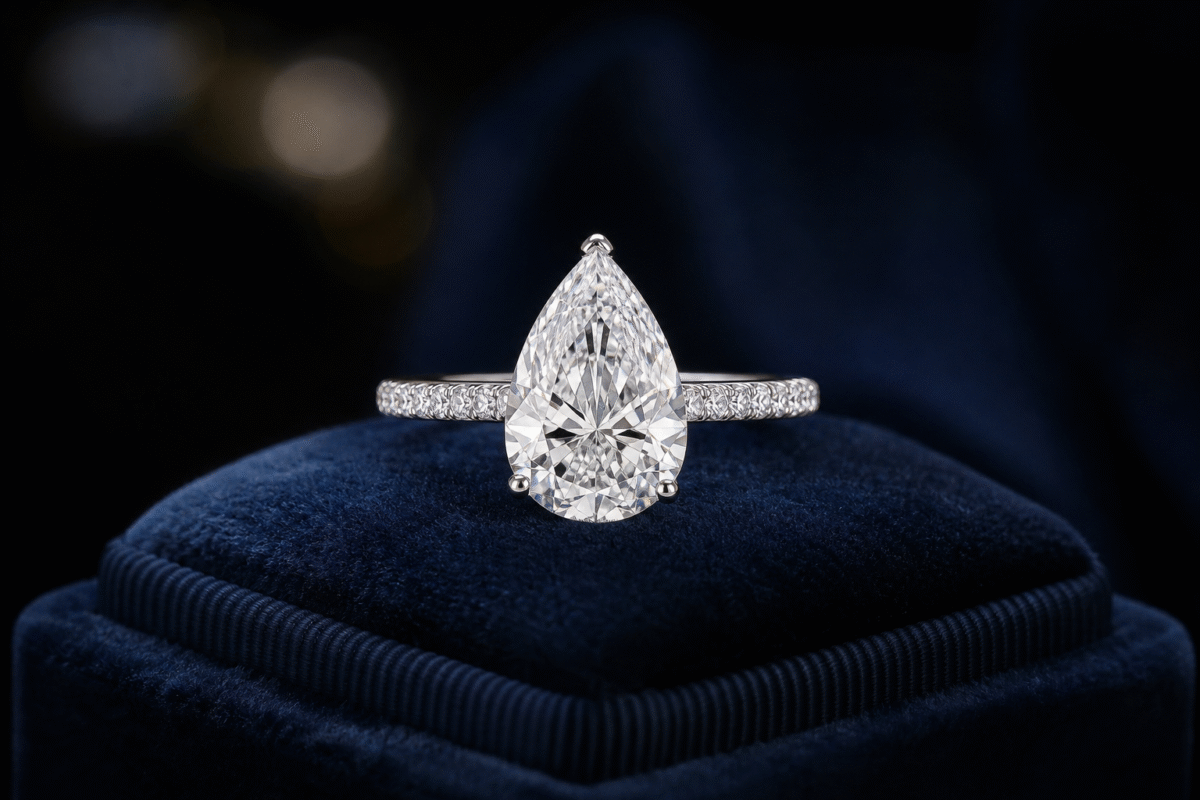
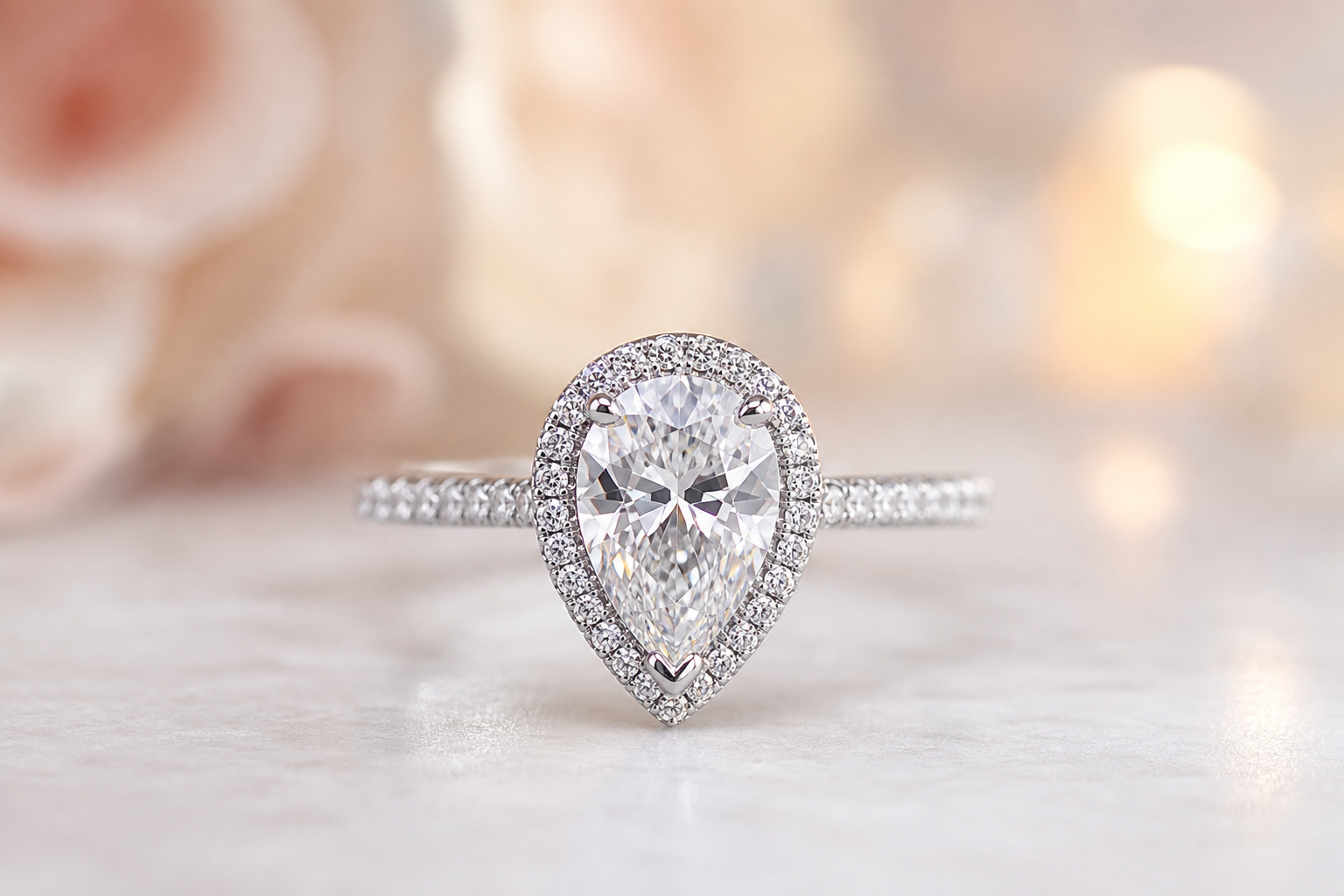
When it comes to choosing a perfect diamond ring, the possibilities seem endless—from classic solitaires to intricate halo designs. Among these, the pear cut diamond ring emerges as a mesmerizing choice for those seeking something truly distinctive. Its graceful teardrop shape combining the best of round and marquise cuts creates a look that is both elegant and modern. For centuries, diamonds have symbolized eternity, strength, and love, but the pear shape adds an extra layer of meaning with its unique form—evoking tears of joy, moments of reflection, and a sense of enduring beauty.
The origins of the pear cut date back to the 15th century, with designer Lodewyk van Bercken introducing the shape as a variation of the traditional round cut. Its popularity surged in the 20th century, captivating bridal connoisseurs with its distinct silhouette. What makes the pear cut especially appealing is its versatility—perfect for a variety of jewelry settings and styles, whether vintage, contemporary, or boho-chic.
From a visual perspective, the pear shape’s elongated form has a slimming effect on the finger, creating a graceful, sophisticated look. Its tapered point allows for numerous creative design options. It works beautifully as a solitaire, drawing attention to the brilliance and fire of the diamond, but it can also be complemented with side stones or intricate metalwork for a more elaborate aesthetic. Many Brides and collectors are drawn to the pear cut because it balances brilliance with sophistication and offers a unique twist on traditional diamond shapes.
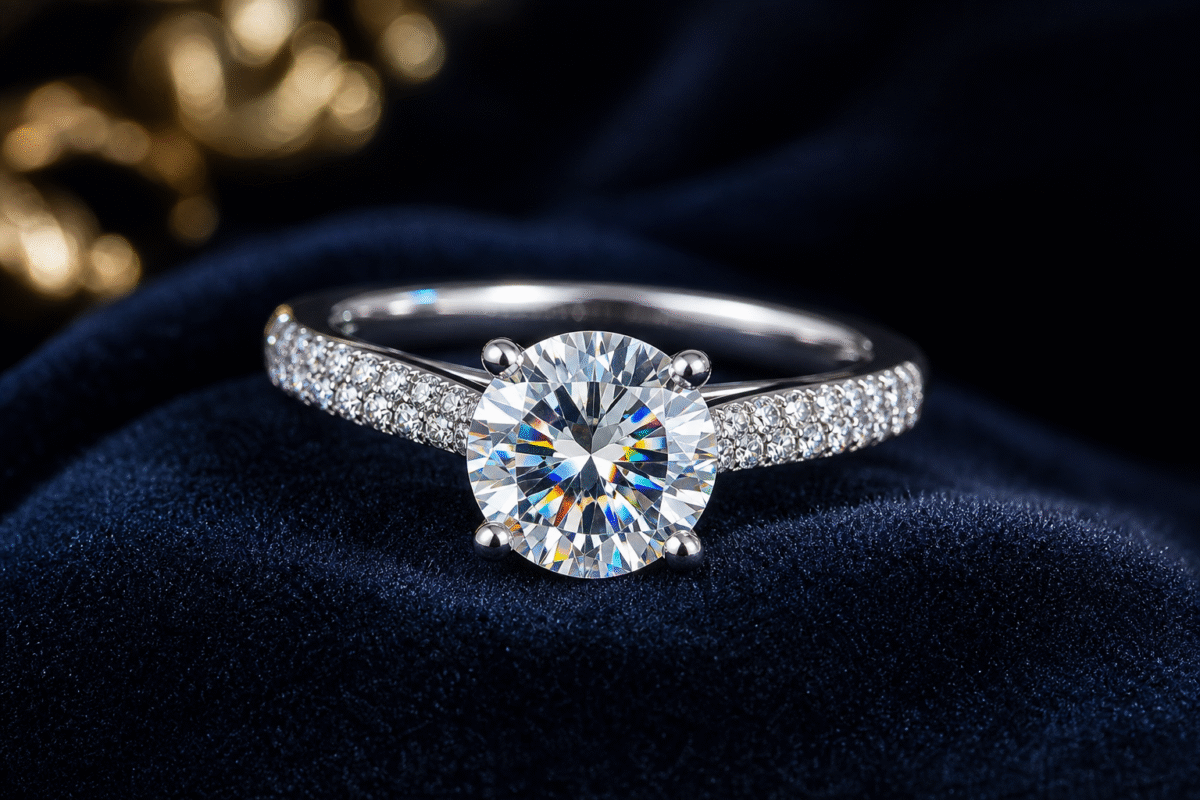
One of the most standout features of the pear cut diamond ring is its exceptional sparkle. The cut is designed to maximize the diamond’s light absorption and reflection, resulting in an impressive display of brilliance. This is especially true when expertly cut—requiring a precise angle of around 60/60 or 55/65 degrees, which directs light to bounce within the stone and back out to the observer’s eye. As a result, pear cut diamonds often exhibit a vibrant play of light, making them incredibly eye-catching whether worn at a formal event or as an everyday accessory.
In addition to aesthetic brilliance, pear-cut diamonds can vary greatly in size and proportion, giving buyers a range of options to suit their personal style and budget. The larger the stone, the more striking its presence, but careful consideration of proportions, such as the length-to-width ratio, is key to ensuring the ideal look. A ratio of approximately 1.50 to 1.75 tends to be most flattering, elongating the finger without appearing overly stretched.
Beyond the physical attributes, many find the symbolism of the pear shape compelling. Its teardrop form resonates with themes of emotional depth, authenticity, and heartfelt affection. For some, it may symbolize the shedding of tears of joy during a marriage proposal or the nurturing love that sustains a relationship. For others, its shape represents growth, hope, and a clear direction—reminding us that love is both a journey and an art of beauty.
When selecting a pear cut diamond ring, carat weight is a significant consideration. A larger carat size makes a bold statement, but it’s equally important to focus on the cut quality to ensure that the brilliance and fire are maximized. Due to its elongated shape, a well-cut pear diamond can appear larger than other cuts of similar carat weight, giving a sense of grandeur without necessarily increasing the cost.
The choice of metal for setting the pear diamond also influences the overall look. Classic platinum or white gold settings highlight the diamond’s brilliance, while yellow or rose gold can add warmth and a vintage or romantic feel. The setting style itself—whether a simple solitaire, a halo, or a more elaborate basket—can elevate the beauty and uniqueness of the ring, making it a cherished heirloom for generations to come.
In recent years, jewelry designers have explored innovative ways to showcase pear cut diamonds. Some have embraced asymmetrical arrangements, combining the pear shape with other gemstones or accent stones to create a dynamic visual effect. Others have experimented with wrap-around prong settings or hidden halos, further enhancing the ring’s sparkle and character.
For those contemplating a lifetime commitment, the pear cut ring offers a perfect harmony of tradition and modernity. Its distinctive shape ensures that no two rings are exactly alike—making each piece a personal statement of style and love. Whether as an engagement ring, anniversary gift, or simply a symbol of self-love, a pear cut diamond ring holds an undeniable allure.
Frequently Asked Questions
Q: What makes pear cut diamonds special?
A: Pear cut diamonds combine the round brilliant and marquise shapes into a teardrop form. They offer the brilliance of a round diamond with a unique, elegant silhouette. The shape elongates the finger, making it appear slimmer and more graceful..
Q: How do you choose the right pear cut diamond?
A: Look for a well-proportioned pear with balanced shoulders (the two curves should be even), a pointed tip without a ‘bowtie’ dark area in the center, and good symmetry. The length-to-width ratio of 1.45-1.75 is generally considered ideal for most finger shapes..
Q: What settings work best for pear cut diamond rings?
A: Prong settings (3 or 4 prongs) showcase the pear shape best. V-prong settings protect the pointed tip from chipping. Halo settings add extra sparkle and make the stone appear larger. Pave bands complement the pear shape beautifully..
Q: Are pear cut diamonds durable for everyday wear?
A: Pear cut diamonds are quite durable for daily wear, but the pointed tip is the most vulnerable area. A V-prong setting protects this area. With proper setting and care, pear cut engagement rings can be worn daily for a lifetime..
Related Articles
Continue reading for more gemstone guides:
- The Ultimate Guide to Opal Rings: Types, Colors, and Meaning
- Moss Agate Rings: Nature’s Beautiful Gemstone for Everyday Elegance
- Sapphire vs Ruby vs Emerald: Which Gemstone Ring Is Right for You?
- How to Care for Your Gemstone Jewelry: Expert Tips for Long-Lasting Beauty
Shop Gemstone Rings at ETYGEM
Explore our handcrafted collection in 925 sterling silver:
Free worldwide shipping. 6-month warranty. Hypoallergenic and nickel-free.
What Are Opal Rings?
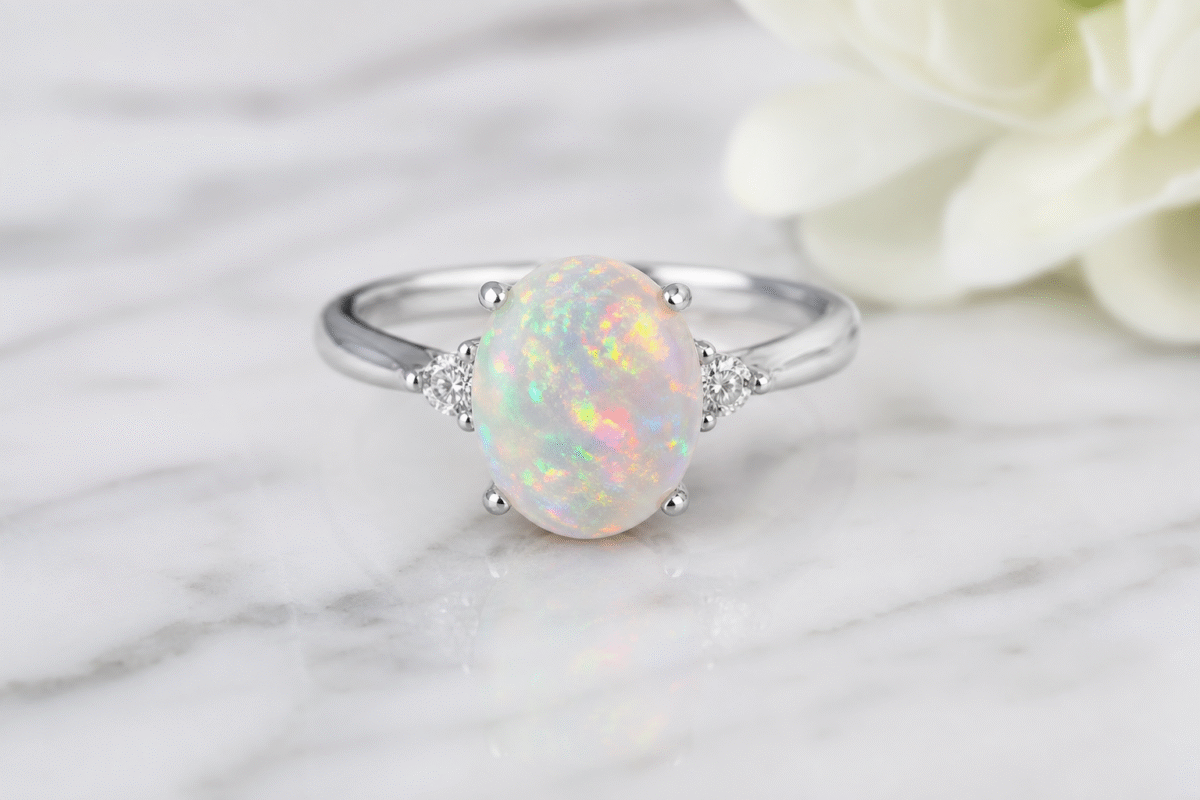
Opal rings are among the most visually captivating gemstone jewelry in the world. Known as the “gem of gems” since Roman times, opals are formed from silica gel that seeps into cracks and fissures in rocks, eventually hardening into this remarkable mineraloid. Unlike most gemstones, opals are not crystalline structures—they’re composed of tiny silica spheres that diffract light, creating the famous “play of color” that makes each opal unique.
The value of an opal ring depends on several factors: the intensity and range of its color play, the background color (black and dark body tones command higher prices), the pattern displayed (harlequin and pinfire are highly sought after), and the absence of cracks or crazing. According to the Gemological Institute of America (GIA), the most valuable opals display a full spectrum of colors with intense saturation.
Opals come from several sources worldwide. Ethiopia produces Welo opals known for their large size and dramatic color play, while Australia remains the source of the finest precious opals, particularly from the Lightning Ridge mine where black opals are mined. Mexico is famous for its fire opals, which range from honey yellow to vibrant orange-red.
Types of Opal for Rings
Black Opal: The rarest and most valuable type, primarily from Lightning Ridge, Australia. Its dark body tone makes the color play appear more vivid and saturated.
White/Freeze Opal: From Australia’s Etheridge Creek, these have a white or pale body tone with exceptional color play, resembling a freeze-frame of colors.
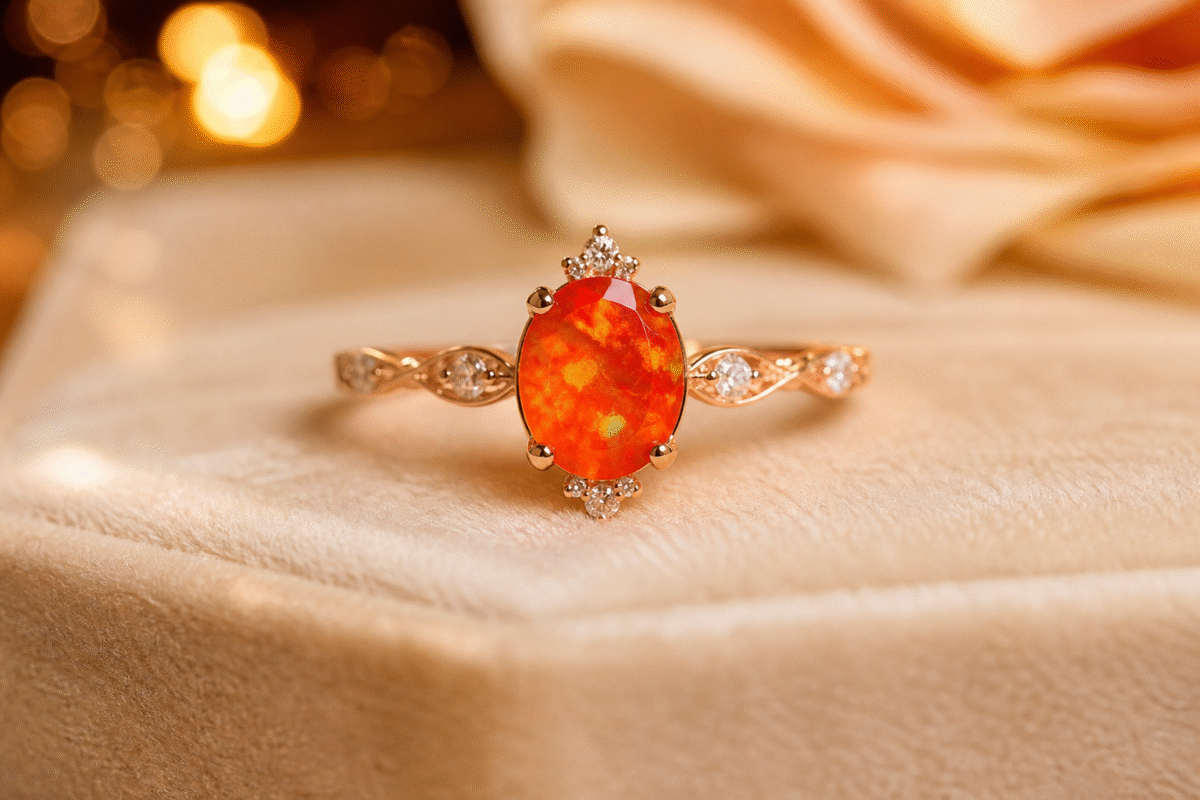
Fire Opal: From Mexico, these translucent stones range from yellow to red, some displaying no color play but prized for their warm body color.
Crystal Opal: Transparent to translucent with excellent color visibility through the stone, valued for both beauty and durability in rings.
Origins and Symbolism
The pear shape itself has an ancient history. Imagine the lush trees of medieval Europe, where pear-shaped gemstones were prized symbols of abundance and prosperity. The shape, mimicking a dewdrop or a teardrop, carries layers of symbolism — purity, hope, and emotional depth. It’s an evocative form that suggests both vulnerability and resilience—a delicate droplet holding immense power.
In Victorian times, jewelry featuring this shape was associated with sentimental meanings, often gifted to convey love or remembrance. Its elegant tapering design captures the eye with a natural flow—like a gentle river carving its way through stone, or a drop of rain frozen in time. This shape adds a poetic dimension to jewelry that transcends mere adornment.
Design Dynamics: Why the Pear Shape Stands Out
One of the most striking qualities of a pear ring is its asymmetry combined with harmonious proportions. A well-cut pear-shaped gemstone accentuates brilliance and fire—the way light dances across the facets—making it a captivating centerpiece. Whether a solitaire setting or adorned with delicate pavé halos, the shape lends itself beautifully to originality.
The elongated form also offers a flattering aesthetic when worn on fingers. It can visually elongate the look of the hand, providing a slimming effect and an air of sophistication. Many people gravitate toward pear rings for their versatility: they can be worn as an engagement ring, an anniversary gift, or a statement piece that embodies personal style.
Materials and Craftsmanship
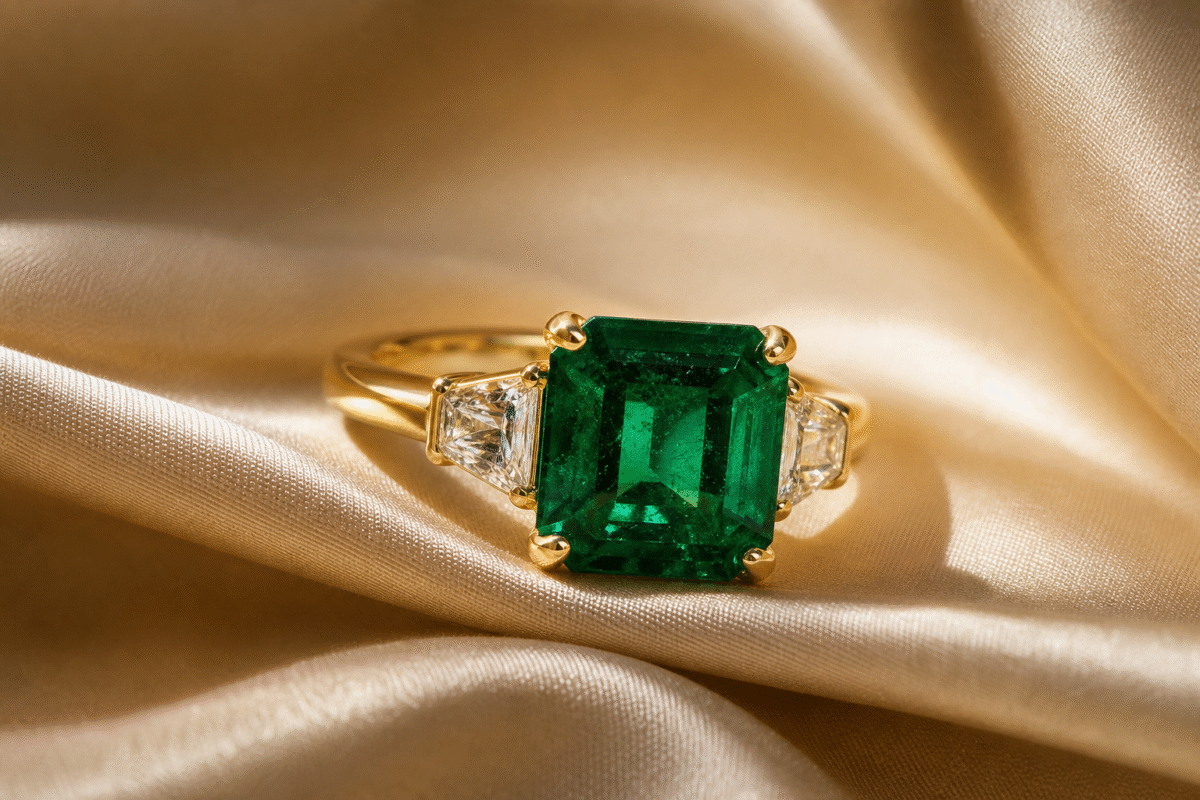
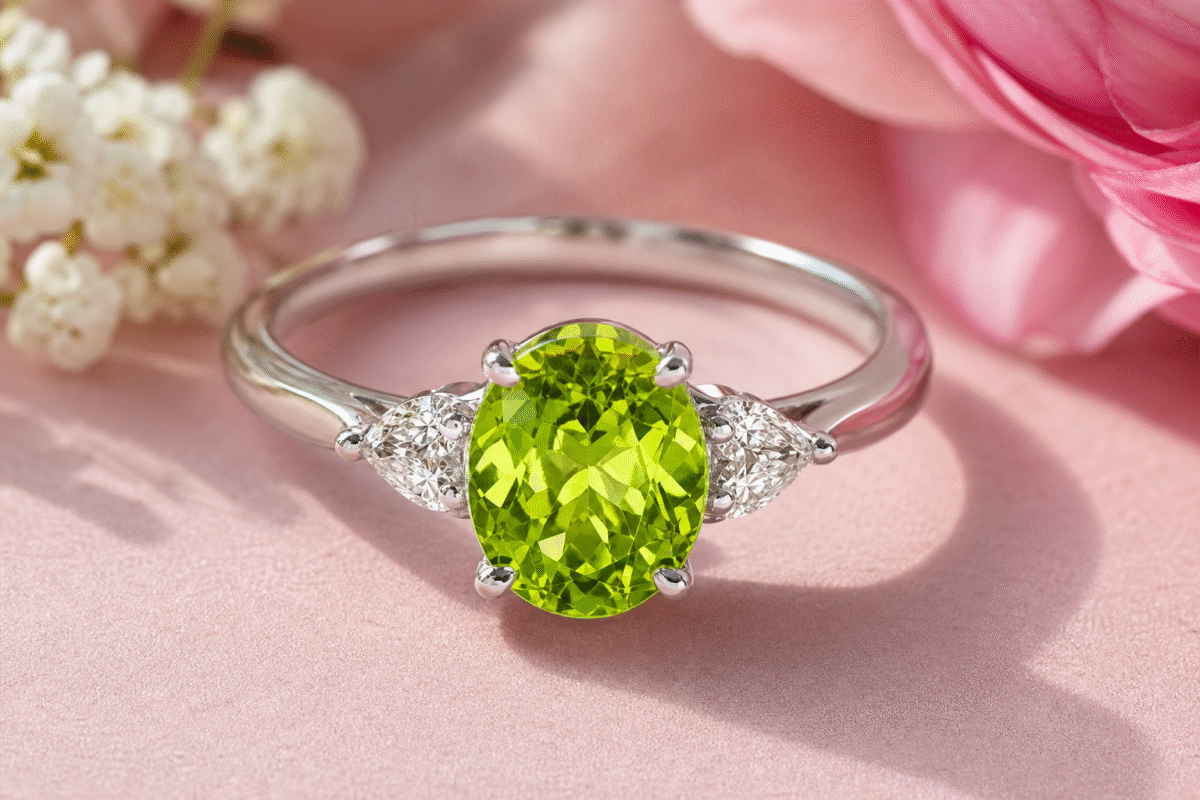
The beauty of a pear ring is not just in its shape but also in the craftsmanship behind it. High-quality diamonds — especially those with excellent cut and symmetry — bring out the best in this shape. Fancy colored gemstones, such as sapphires, rubies, and emeralds, also make stunning pear rings, offering vibrant, eye-catching options.
Designers often choose platinum, white gold, or rose gold for settings, enhancing the gemstone’s sparkle and adding a modern or vintage flair. The intricacy of setting is key: a secure prong or bezel ensures the gem’s stability while emphasizing its shape. Some designers incorporate side stones or intricate metal work to add uniqueness and personality.
The Cultural and Romantic Significance
Beyond aesthetics, pear-shaped rings carry romantic significance. They can symbolize a moment of clarity, a tear of joy, or a gentle reminder of love’s fluidity. Many cultural traditions associate this shape with purity and emotional depth, making it a popular choice for engagement rings for those seeking something unconventional yet meaningful.
Additionally, the shape lends itself beautifully to personalized designs—engraved bands, halos, or mixed metals—turning a simple gemstone into a wearable story that reflects the wearer’s identity.
Modern Trends and Style Tips
Today, the pear ring is experiencing a renaissance, with designers reimagining its potential. Minimalist settings focusing on the gemstone’s purity are popular, allowing the shape and quality of the stone to shine. Conversely, ornate designs with elaborate halos and side stones are also trending, adding drama and brilliance.
Mixing materials—such as combining rose gold with white gold or even pairing a pear sapphire with diamond accents—creates personalized, textured looks that stand out. Wearers also combine pear rings with other jewelry, stacking delicate bands or stacking rings with contrasting shapes for an eclectic, modern ensemble.
Fashion Inspiration and Iconic Looks
Celebrities and fashion icons have embraced the pear-shaped jewelry trend, turning it into a symbol of effortless elegance. Think about Kate Middleton sporting a pear-shaped sapphire engagement ring or Rihanna’s daring pear-shaped earrings that steal the spotlight. These moments set a precedent for embracing unconventional shapes with confidence and flair.
Fashion magazines often feature styling tips for pear rings, emphasizing their ability to complement different nail shapes and hand sizes. The key is to let the ring be the star—pair it with neutral outfits or contrasting colors to highlight its unique silhouette.
Care and Maintenance of Pear Jewelry
To preserve the beauty of a pear ring, gentle care is essential. Regular cleaning with a soft brush and mild soap keeps gemstones sparkling. For diamond rings, professional inspections for prong security and overall integrity are recommended annually.
When not wearing the ring, storing it separately in a soft pouch avoids scratches. Be mindful of activities that could damage or dislodge the gemstone, especially during intense physical activity or household chores. With proper care, a pear ring can become an heirloom piece, passed down through generations.
Custom Creations and Personalization
The true magic of a pear ring lies in its adaptability. Many jewelers now offer customization options—choosing the gemstone, setting style, and metal type—to create a truly personal piece. Some prefer a vintage-inspired design with intricate filigree, while others opt for sleek, modern aesthetics.
Personalization extends beyond design: engraved messages inside the band, milestone dates, or initials transform a beautiful object into a profound expression of love or identity. In essence, designing a pear ring is an act of storytelling—an artful way to capture memories, hopes, and dreams in a stunning wearable form.
The Enduring Allure
The pear ring’s charm is timeless, rooted in both nature and craftsmanship. Its unique shape embodies emotion and elegance in equal measure. Whether as a symbol of love, an expression of style, or an heirloom to be cherished, a well-chosen pear ring can evoke admiration and affection for decades to come.
In a world where jewelry often reflects fleeting trends, the pear ring remains a steadfast testament to enduring beauty and personal significance. It invites anyone who wears it to feel a part of something larger—a story written in sparkle, form, and meaning.
How to Care for Your Opal Ring
Opals are relatively soft stones (5.5-6.5 on the Mohs scale) and contain water (3-10%), making them delicate compared to diamonds or sapphires. Proper care ensures your opal ring remains beautiful for generations.
Avoid extreme temperature changes — sudden heat or cold can cause cracking. Remove your opal ring before swimming — chlorine damages the stone’s surface. Store separately from harder gems to prevent scratches. Clean with a soft, damp cloth — never use ultrasonic cleaners or harsh chemicals.
The International Gemological Society (IGS) recommends rehydrating your opal occasionally if you live in a dry climate. Place the stone near a water source (not directly in water) for a few hours every few months, then wipe gently with a soft cloth.
Why Choose an Opal Ring?
Opals symbolize hope, purity, and truth. As the October birthstone, they carry deep cultural significance across many traditions. No two opals are alike, making each opal ring a truly unique piece of jewelry. Many jewelry experts recommend opal rings for those who want something truly distinctive—your opal will be one-of-a-kind, just like the person wearing it.
At ETYGEM, we source certified natural opals from trusted mines worldwide, ensuring every ring meets the highest quality standards. Our collection includes everything from affordable everyday opal rings to investment-grade precious opal pieces.