Pearl Wedding Rings: The Complete Guide to Timeless Elegance
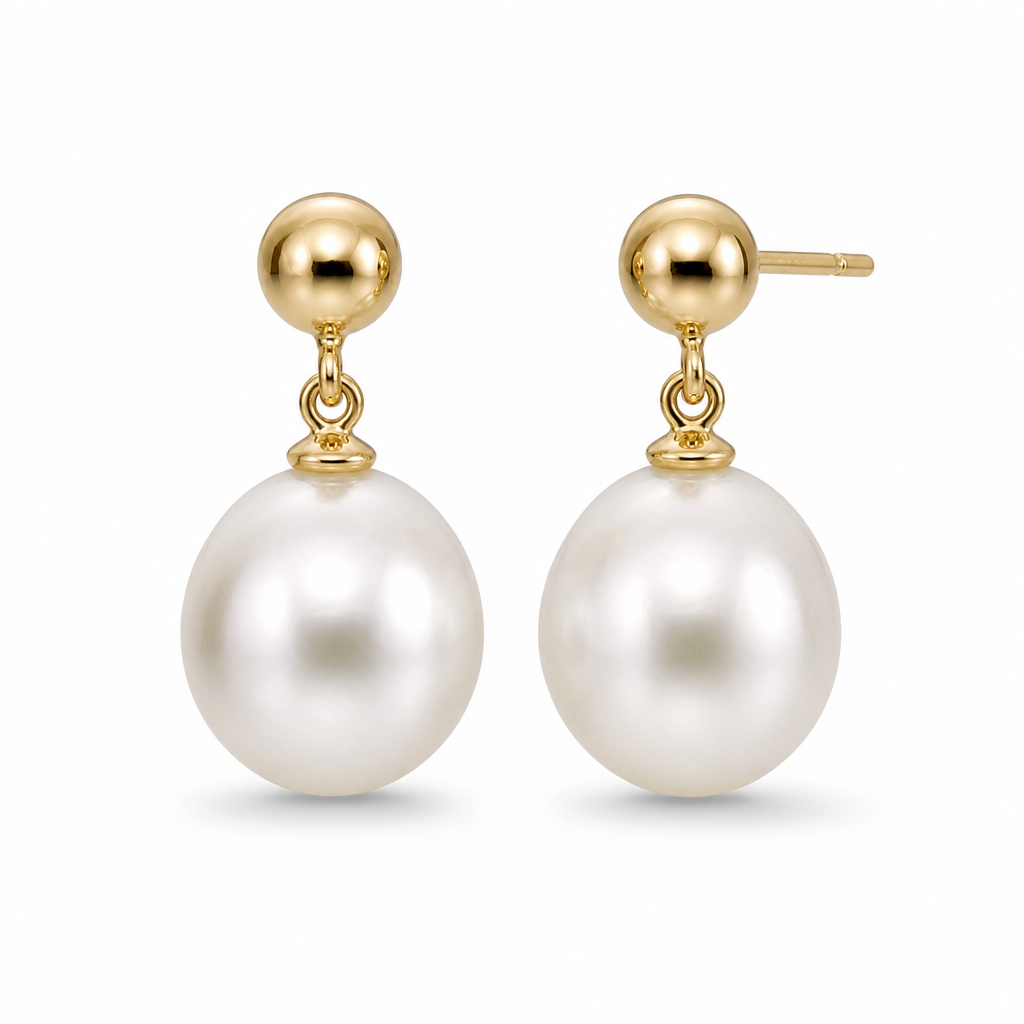
Pearl wedding rings represent a sophisticated alternative to traditional diamond bands, offering couples a symbol of purity, wisdom, and understated luxury. Unlike faceted gemstones that sparkle through light refraction, pearls captivate with their luminous surface—a soft, warm glow called “orient” that has enchanted jewelry lovers for millennia. According to the Gemological Institute of America (GIA), pearls are the only gemstones created by living organisms, making them uniquely organic symbols of love and commitment.
What Makes Pearl Wedding Rings Special?
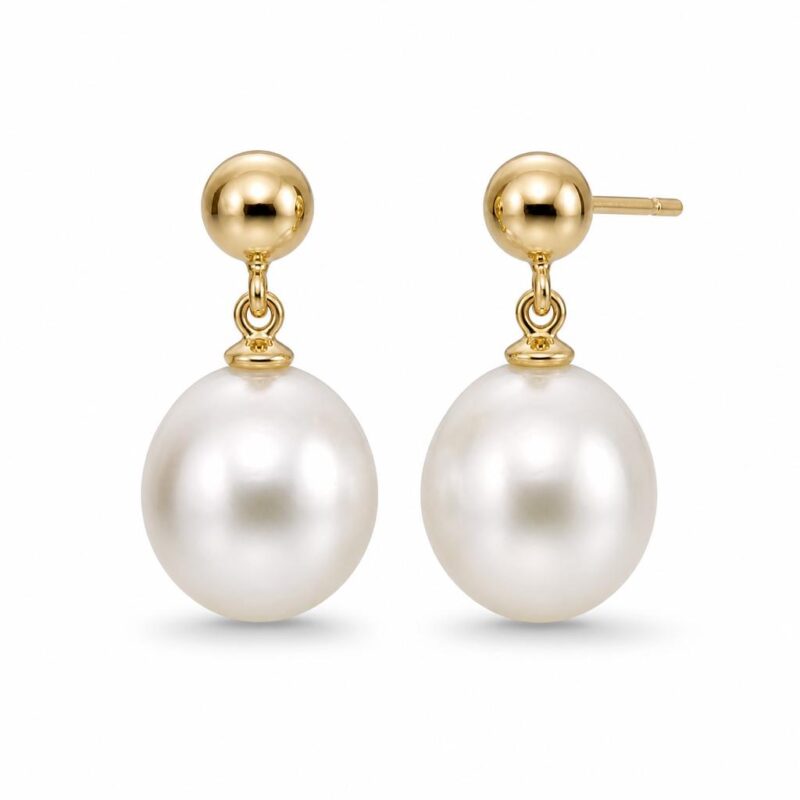
Pearl wedding rings stand apart from conventional wedding jewelry in several meaningful ways. While diamonds represent strength and brilliance, pearls embody grace, femininity, and quiet sophistication. Their organic origin—formed layer by layer within a living mollusk—mirrors the way love grows over time, making them a profoundly symbolic choice for wedding jewelry.
Definition: A pearl wedding ring is a band or setting that features one or more natural, cultured, or freshwater pearls as its primary decorative element, designed specifically for wedding or commitment ceremonies.
The history of pearls in bridal jewelry spans thousands of years. Ancient Romans considered pearls the ultimate symbol of wealth and status. In Victorian England, Queen Victoria popularized pearl wedding jewelry, establishing a tradition that continues today. Chinese culture has revered pearls as symbols of wisdom and spiritual power for over 4,000 years.
Types of Pearls for Wedding Rings
Understanding pearl varieties is essential for choosing the right wedding ring. Each type offers distinct characteristics in size, color, luster, and value. The International Gem Society (IGS) classifies pearls into several categories based on their origin and cultivation method.
Akoya Pearls
Akoya pearls are the classic choice for wedding jewelry. Cultivated primarily in Japan and China, they’re known for their perfectly round shape, mirror-like luster, and consistent quality. Ranging from 6 to 9 millimeters in diameter, Akoya pearls offer a refined elegance ideal for delicate ring settings. Their color palette includes white, cream, and rose overtones that complement all skin tones beautifully.
South Sea Pearls
For couples seeking luxury and presence, South Sea pearls deliver unmatched opulence. These are the largest cultured pearls available, typically ranging from 9 to 16 millimeters. Produced by the Pinctada maxima oyster in Australia, Indonesia, and the Philippines, they feature thick nacre that creates a deep, satiny luster. Colors range from silver-white to warm golden tones.
Tahitian Pearls
Tahitian pearls offer dramatic beauty for unconventional couples. Despite their name, they’re cultivated throughout French Polynesia. Their natural dark colors—black, gray, green, peacock, and aubergine—create striking contrast in wedding ring settings. Each Tahitian pearl displays unique color overtones, ensuring no two rings look identical.
Freshwater Pearls
Freshwater pearls provide excellent value without sacrificing beauty. Cultivated primarily in China, they come in diverse shapes (round, baroque, button, drop) and natural colors (white, pink, lavender, peach). Their versatility makes them perfect for creative, artistic ring designs. Modern cultivation techniques have dramatically improved their roundness and luster, rivaling saltwater varieties.
Pearl Wedding Ring Settings and Styles
Solitaire Pearl Settings
A single pearl mounted on a precious metal band creates a minimalist statement of elegance. Prong settings elevate the pearl for maximum visibility, while bezel settings offer better protection for daily wear. The simplicity of a solitaire allows the pearl’s natural beauty to take center stage.
Pearl and Diamond Combinations
Pairing pearls with diamonds creates a stunning contrast between soft luster and brilliant sparkle. Popular configurations include diamond halos surrounding a center pearl, diamond-accented bands with pearl focal points, and alternating pearl-and-diamond designs. This combination bridges traditional and contemporary aesthetics.
Vintage and Art Deco Styles
Vintage-inspired pearl rings feature intricate filigree work, milgrain detailing, and ornate metalwork that evokes earlier eras. Art Deco designs incorporate geometric patterns with pearls, creating bold architectural statements. These styles appeal to couples who appreciate historical craftsmanship and romantic nostalgia.
Modern and Minimalist Designs
Contemporary pearl wedding rings embrace clean lines, asymmetric placement, and innovative settings. Tension settings that appear to suspend the pearl in mid-air, open-band designs, and stackable pearl rings reflect modern design sensibilities while honoring the pearl’s timeless appeal.
Choosing the Right Metal for Pearl Rings
Comparison: Metal Options for Pearl Wedding Rings
| Metal | Best Pearl Pairing | Durability | Price Range |
|---|---|---|---|
| Platinum | White & silver pearls | Excellent | $$$ |
| White Gold | All pearl colors | Very Good | $$ |
| Yellow Gold | Golden & cream pearls | Very Good | $$ |
| Rose Gold | Pink & peach pearls | Very Good | $$ |
| Sterling Silver | White & gray pearls | Good | $ |
The metal choice significantly affects the overall aesthetic. Rose gold creates warmth that enhances cream and pink pearls, while platinum’s cool tone beautifully frames white and silver varieties. The American Gem Society (AGS) recommends choosing metals that complement both the pearl’s overtone and the wearer’s skin tone for the most flattering result.
Pearl Quality Factors
When selecting a pearl wedding ring, understanding quality indicators ensures you make an informed investment:
- Luster: The most important factor—high-quality pearls display sharp, mirror-like reflections on their surface
- Surface quality: Fewer blemishes indicate higher quality, though minor imperfections are natural
- Shape: Perfectly round pearls command premium prices, but baroque shapes offer unique character
- Size: Larger pearls are rarer and more valuable, but proportion to the setting matters most
- Color: Consistent body color with attractive overtones (rose, silver, or green) adds value
- Nacre thickness: Thicker nacre produces better luster and greater durability over time
Caring for Your Pearl Wedding Ring
Pearls require more attentive care than most gemstones due to their organic composition. With proper maintenance, a pearl wedding ring can remain beautiful for generations.
Daily Care Guidelines
Apply cosmetics, perfume, and hairspray before putting on your pearl ring—chemicals can damage nacre over time. Remove your ring before swimming, cleaning, or exercising. Pearls are sensitive to acids, chlorine, and excessive heat. After wearing, gently wipe with a soft, damp cloth to remove oils and perspiration.
Storage Best Practices
Store pearl rings separately from other jewelry in a soft cloth pouch or lined compartment. Pearls can be scratched by harder gemstones and metals. Avoid airtight containers—pearls need slight moisture to prevent drying and cracking. A breathable fabric pouch is ideal.
Professional Maintenance
Have your pearl ring inspected annually by a jeweler to check setting security. Professional cleaning every 6-12 months removes buildup that home cleaning might miss. If your pearl loses luster over time, a jeweler can sometimes restore it through gentle polishing.
Pearl Wedding Rings vs. Diamond Wedding Rings
Understanding how pearls compare to diamonds helps couples make confident decisions:
| Factor | Pearl Rings | Diamond Rings |
|---|---|---|
| Hardness (Mohs) | 2.5-4.5 | 10 |
| Light Effect | Soft luster/orient | Brilliance/fire |
| Symbolism | Purity, wisdom, femininity | Strength, eternity |
| Uniqueness | Each naturally unique | Graded to standards |
| Care Level | Higher maintenance | Low maintenance |
| Price Range | $200-$10,000+ | $1,000-$50,000+ |
Pearls offer exceptional value—a stunning pearl wedding ring often costs significantly less than a comparable diamond piece while delivering equal visual impact and greater uniqueness.
Styling Your Pearl Wedding Ring
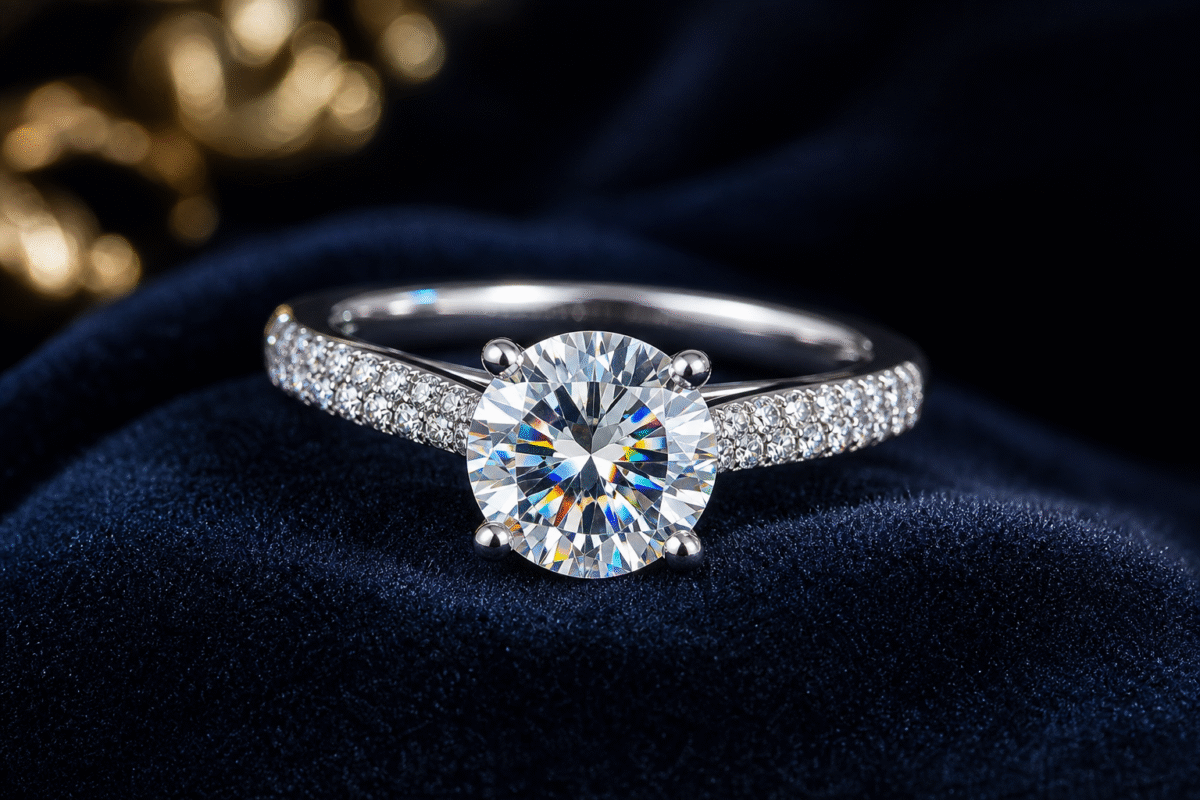
Pearl wedding rings pair beautifully with various engagement ring styles. Stack a pearl band with a moissanite engagement ring for contrast, or complement it with a rose quartz ring for a romantic, feminine stack. For brides who love alternative gemstones, pairing pearls with moonstone creates an ethereal, luminous combination.
Consider your overall bridal aesthetic when choosing your pearl ring style. Vintage brides might prefer ornate settings with seed pearl accents, while modern minimalists gravitate toward single-pearl designs on sleek bands. Beach wedding themes naturally complement pearl jewelry, reinforcing the ocean connection.
Where to Buy Pearl Wedding Rings
When shopping for pearl wedding rings, prioritize retailers who provide detailed information about pearl origin, type, and quality grading. Look for sellers who offer certificates of authenticity and clear return policies. At ETYGEM, our gemstone ring collection features carefully curated pearl designs crafted with ethically sourced materials.
Frequently Asked Questions
Are pearl wedding rings durable enough for daily wear?
Pearls rate 2.5-4.5 on the Mohs hardness scale, making them softer than most gemstones. However, with protective settings (bezel or low-profile prong) and mindful daily habits—removing before cleaning, swimming, or heavy work—pearl wedding rings can last a lifetime. Many vintage pearl rings have survived decades of wear with proper care.
How much should I expect to spend on a pearl wedding ring?
Quality pearl wedding rings range from $300 for freshwater pearl designs in sterling silver to $10,000+ for South Sea or Tahitian pearls in platinum settings. Most couples find beautiful options between $800 and $3,000 that balance quality, size, and craftsmanship.
Can pearl wedding rings be resized?
Yes, most pearl wedding rings can be resized by a skilled jeweler, though the process requires extra care to protect the pearl from heat damage. Rings with pearls set along the entire band may be more difficult to resize. Discuss sizing flexibility with your jeweler before purchase.
What is the difference between natural and cultured pearls?
Natural pearls form spontaneously in wild mollusks without human intervention and are extremely rare and expensive. Cultured pearls are grown with human assistance—a technician inserts a nucleus into the mollusk to initiate pearl formation. Over 99% of pearls sold today are cultured, and they possess the same organic beauty as natural pearls.
How do I know if a pearl is real or imitation?
The classic “tooth test” involves gently rubbing the pearl against your front teeth—real pearls feel slightly gritty due to their layered nacre structure, while imitations feel smooth. However, for valuable purchases, always request certification from a gemological laboratory. GIA and other accredited labs provide reliable pearl authentication.
Start Your Pearl Ring Journey
A pearl wedding ring is more than jewelry—it’s a statement of refined taste and meaningful symbolism. Whether you choose the classic elegance of Akoya, the luxury of South Sea, the drama of Tahitian, or the versatility of freshwater pearls, your ring will carry centuries of tradition and timeless beauty.
Ready to find your perfect pearl wedding ring? Explore ETYGEM’s curated collection of pearl and gemstone rings, each handcrafted with attention to quality and ethical sourcing. Our experts are here to help you select a piece that celebrates your love story with grace and elegance.