

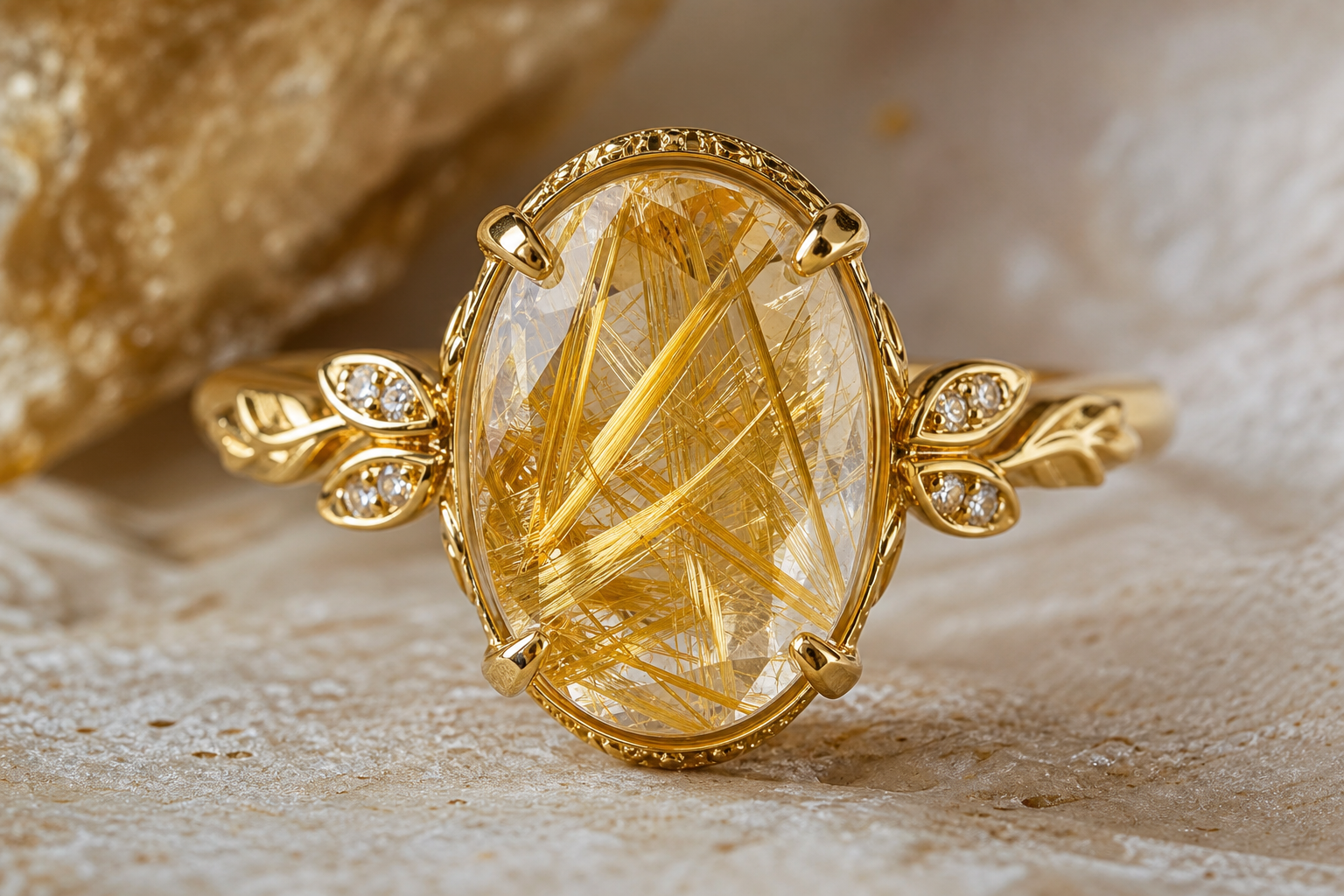
How to Care for Your Gemstone Jewelry: Expert Tips for Long-Lasting Beauty
Your gemstone jewelry is an investment — in beauty, in meaning, and often in significant financial value. But even the hardest, most durable gemstones require proper care to maintain their brilliance and structural integrity over time. The good news? Caring for gemstone jewelry isn’t complicated. It just requires knowing which stones are tough, which are delicate, and what specific treatments each one needs.
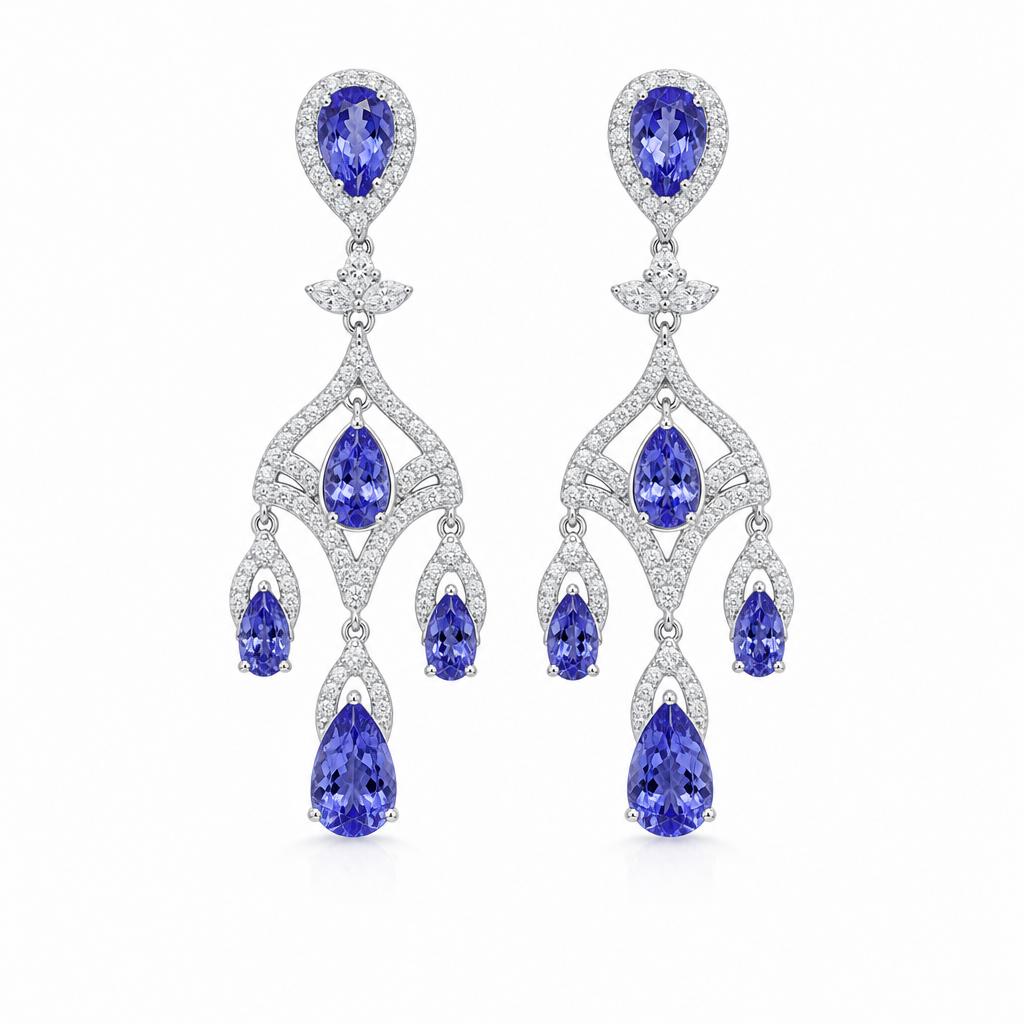
This comprehensive guide covers everything from basic cleaning techniques to advanced storage strategies, with specific care instructions for the most popular gemstones used in jewelry.
Understanding Gemstone Hardness: The Mohs Scale
The Mohs scale of mineral hardness (1–10) is the most important reference point for gemstone care. It measures a mineral’s resistance to scratching:
| Hardness | Gemstone | Care Implication |
|---|---|---|
| 10 | Diamond | Extremely durable; can scratch all other gemstones |
| 9 | Ruby, Sapphire | Excellent durability; suitable for daily wear |
| 8–9 | Alexandrite, Tanzanite | Very good durability; minor caution needed |
| 7.5–8 | Emerald, Jade, Moonstone | Good durability; moderate care required |
| 7 | Quartz varieties (Amethyst, Citrine, Rose Quartz), Moss Agate, Tourmaline | Moderate durability; can be scratched by dust (which contains quartz particles) |
| 6–6.5 | Opal, Peridot, Topaz | Lower durability; needs extra protection |
| 5–6 | Turquoise, Lapis Lazuli, Aquamarine | Soft; avoid impacts and chemicals |
| 4–5 | Pearl, Coral, Fluorite | Very soft; extremely delicate |
| 1–3 | Gypsum, Halite | Fragile; mostly collector stones, not jewelry |
Key takeaway: Gemstones below 7 on the Mohs scale can be scratched by common dust and airborne particles (which contain quartz at hardness 7). This means rings worn daily — which encounter dust constantly — need more protection than pendants or earrings.
General Cleaning Methods
The Universal Safe Cleaning Method
For most gemstones, this method is safe and effective:
- Prepare a bowl of lukewarm water with a few drops of mild dish soap (avoid harsh detergents)
- Soak the jewelry for 15–30 minutes to loosen dirt and oils
- Gently brush with a soft-bristled toothbrush, paying attention to the back of the stone (where dirt accumulates) and the setting
- Rinse thoroughly under lukewarm running water
- Pat dry with a soft, lint-free microfiber cloth
- Air dry completely before storing
What You’ll Need
- Soft-bristled toothbrush (dedicated to jewelry cleaning)
- Mild dish soap (free of bleach, ammonia, or citrus additives)
- Lukewarm water
- Soft, lint-free microfiber or cotton cloths
- Small bowl or container
- Soft toothpick (for cleaning around prongs)
What to Avoid: Cleaners and Methods That Can Damage Gemstones
Ultrasonic Cleaners
Ultrasonic cleaners use high-frequency sound waves to create cavitation bubbles that scrub jewelry clean. They work wonderfully for diamonds, sapphires, and rubies — but can be catastrophic for many other gemstones:
Safe for ultrasonic cleaning:
– Diamond
– Sapphire
– Ruby
– Spinel
– Garnet (most varieties)
Never use ultrasonic cleaners for:
– Opals — The vibrations can cause cracking or crazing
– Pearls — The vibrations can destroy the nacre layer
– Emeralds — Most emeralds have natural fractures and inclusions (called “jardin”) that ultrasonic vibrations can widen
– Aquamarine — Can have internal fractures that worsen with vibration
– Tanzanite — Can be sensitive to ultrasonic energy
– Turquoise, lapis lazuli, coral, amber — Porous or organic materials that can be damaged
– Any stone with visible fractures, significant inclusions, or that has been treated/dyed
Steam Cleaners
Steam cleaners use high-temperature steam to clean jewelry. They’re effective for hard, durable stones but dangerous for others:
Safe for steam cleaning:
– Diamond
– Sapphire
– Ruby
Never use steam cleaners for:
– Opals — Temperature and moisture changes can cause cracking
– Pearls, coral, amber, jet — Organic materials that can be damaged by heat and moisture
– Emeralds — Thermal shock can widen existing fractures
– Tanzanite — Can change color or crack with heat exposure
– Turquoise — Can lose its color and become brittle
Chemical Cleaners
Avoid household cleaners, bleach, ammonia, acetone, and abrasive cleaners on all gemstone jewelry. These can:
- Damage metal settings (especially gold alloys and plated metals)
- Erode porous gemstones
- Dissolve treatments and fillings in treated stones
- Dull the surface of softer stones
Specific Care by Gemstone
Diamond
Hardness: 10 (Mohs) — the hardest natural material
Care: Diamonds are incredibly durable and can be cleaned with almost any method. Ultrasonic and steam cleaners are safe. However, diamonds attract grease and oils, which can make them look dull. Clean regularly with the universal safe method above. Diamonds can scratch other gemstones and even other diamonds, so store them separately.
Special note: Diamonds can be chipped if struck sharply at a angle of cleavage. While diamonds are hard, they’re not unbreakable.
Sapphire and Ruby (Corundum)
Hardness: 9 (Mohs) — second only to diamond
Care: Both sapphires and rubies are excellent candidates for daily wear. They can be cleaned with ultrasonic and steam cleaners (unless they have significant fractures or have been fracture-filled). Most sapphires and rubies on the market are heat-treated (not treated with anything that requires special care), so standard cleaning is fine.
Special note: Fracture-filled sapphires (a less common treatment) should avoid ultrasonic and steam cleaning, as the filling material can be damaged.
Emerald
Hardness: 7.5–8 (Mohs)
Care: Emeralds are beautiful but delicate. Most emeralds have natural inclusions and fractures (the “jardin” or garden effect visible under magnification). Many are oil-treated (cedar oil is traditional) to improve clarity.
- Never use ultrasonic or steam cleaners
- Clean with warm, soapy water and a soft brush only
- Avoid heat and sudden temperature changes
- Oil treatments can break down over time; have your emerald re-oiled by a professional every 2–3 years
- Store separately to prevent scratching from harder stones
Special note: If your emerald looks suddenly cloudy or dull, the oil treatment may have worn off. Take it to a jeweler for re-oiling.
Opal
Hardness: 5.5–6.5 (Mohs) — one of the most delicate gemstones used in jewelry
Care: Opals require the most careful attention of any common gemstone:
- Never use ultrasonic or steam cleaners
- Clean only with a soft, damp cloth or lukewarm soapy water and soft brush
- Never soak opals, especially Ethiopian (hydrophane) varieties that absorb water
- Avoid extreme temperature changes and prolonged sunlight
- Keep opals from drying out in very dry environments
- Store with a slight moisture source (some collectors place a damp cotton ball in the jewelry box)
- Wear with a bezel or protective setting for daily wear
Special note: If your opal develops fine surface cracks (crazing), it has likely dried out or been exposed to thermal shock. Unfortunately, crazing cannot be reversed. Prevention is everything.
Pearl
Hardness: 2.5–4.5 (Mohs) — one of the softest gemstones in jewelry
Care: Pearls are organic gems formed by living creatures, which makes them uniquely delicate:
- Wipe with a soft, damp cloth after each wearing — pearls absorb perfumes, oils, and cosmetics, which can damage the nacre over time
- Never use ultrasonic, steam, or chemical cleaners
- Clean occasionally with a cloth dampened with water only (no soap)
- String pearls on silk thread with a knot between each bead — this prevents loss if the strand breaks and allows the thread to be replaced
- Have pearl strands re-strung every 1–2 years with regular wear
- Store separately in a soft pouch — pearls can be scratched by harder gemstones
- Avoid contact with acids (vinegar, citrus, sweat) which can etch the nacre
Special note: Put pearls on after you’ve applied makeup, perfume, and hairspray. These products are the #1 enemy of pearl luster.
Moss Agate
Hardness: 6.5–7 (Mohs)
Care: Moss agate is relatively low-maintenance:
- Clean with warm, soapy water and a soft brush
- Ultrasonic cleaners are generally safe unless the stone has visible fractures
- Avoid harsh chemicals and prolonged sunlight exposure (which can fade the green inclusions over many years)
- Store separately from harder gemstones to prevent scratching
- Remove before heavy manual work or gardening
Amethyst, Citrine, Rose Quartz (Quartz Varieties)
Hardness: 7 (Mohs)
Care: Quartz varieties are durable but can be scratched by dust (which contains quartz particles at the same hardness level):
- Clean with warm, soapy water and a soft brush
- Ultrasonic cleaners are safe for most quartz varieties
- Avoid steam cleaners for amethyst, as heat can cause color fading (amethyst can turn yellow or brown when heated)
- Store separately to prevent mutual scratching
Topaz
Hardness: 8 (Mohs)
Care: Topaz is hard but has perfect cleavage, meaning it can split if struck at the right angle:
- Clean with warm, soapy water and a soft brush
- Ultrasonic cleaners are safe for most topaz, but avoid them for fractured stones
- Avoid steam cleaners
- Topaz can become darker or cloudy when exposed to prolonged direct sunlight — store away from windows
- Blue topaz (the most common jewelry color) is always treated (irradiation and heat); the treatment is stable and doesn’t require special care
Turquoise
Hardness: 5–6 (Mohs)
Care: Turquoise is porous and sensitive:
- Clean with a soft, dry cloth only — avoid water and soap, which can be absorbed and change the color
- Never use ultrasonic or steam cleaners
- Avoid contact with oils, perfumes, and cosmetics
- Turquoise is often stabilized (treated with resin) to improve durability; stabilized turquoise is more resistant to oils and moisture than natural turquoise
- Store in a sealed bag in dry climates to prevent drying and color change
Lapis Lazuli
Hardness: 5–5.5 (Mohs)
Care: Similar to turquoise, lapis lazuli is relatively soft and porous:
- Clean with a soft, dry cloth
- Avoid water, soap, and chemicals
- Never use ultrasonic or steam cleaners
- Lapis is often dyed or stabilized; these treatments can be damaged by moisture and chemicals
- Store away from harder gemstones
Jade (Jadeite and Nephrite)
Hardness: 6.5–7 (Mohs) — but jade is exceptionally tough due to its interlocking crystal structure
Care: Jade is surprisingly durable despite its moderate hardness:
- Clean with warm, soapy water and a soft brush
- Jade is resistant to most chemicals
- Ultrasonic cleaners are generally safe for jade
- Jade can develop a richer patina over time with regular wear — many collectors appreciate this “living” quality
- Store separately to prevent scratching
Aquamarine and Morganite (Beryl family)
Hardness: 7.5–8 (Mohs)
Care: These beryl varieties (cousins of emerald) are relatively durable:
- Clean with warm, soapy water and a soft brush
- Ultrasonic cleaners are generally safe for aquamarine and morganite (unlike emerald)
- Avoid steam cleaners
- Prolonged sunlight exposure can fade the color of some aquamarines and morganites over time
- Store separately from harder gemstones
Jewelry Storage Best Practices
Proper storage is just as important as proper cleaning:
General Storage Rules
- Store pieces separately — Even gemstones of the same hardness can scratch each other. Use individual pouches, compartmentalized boxes, or soft dividers.
- Keep away from sunlight — Prolonged UV exposure can fade many gemstones (amethyst, aquamarine, tanzanite, topaz, kunzite).
- Control humidity — Extremely dry conditions can damage opals and pearls. Extremely humid conditions can tarnish metal settings.
- Hang necklaces — Use a jewelry stand or hanging organizer to prevent tangling.
- Close clasps — Fasten necklace and bracelet clasps before storing to prevent tangling.
What to Use
- Jewelry box with individual compartments — The classic solution
- Soft pouches — Great for travel and for storing individual pieces
- Anti-tarnish strips — Place in your jewelry box to slow silver tarnishing
- Silica gel packets — Place in your jewelry box in humid climates to control moisture
- Jewelry stand or tray — For frequently worn pieces that you want visible and accessible
What to Avoid
- Throwing jewelry in a drawer — This causes scratching, tangling, and lost pieces
- Storing in bathrooms — Humidity and temperature fluctuations are harmful to most gemstones
- Hanging heavy necklaces on hooks — The clasp can stretch or break over time
Seasonal Care Tips
Spring
- Deep clean your jewelry collection after winter storage
- Check clasps, prongs, and settings for wear — winter clothing can put extra stress on clasps
- Consider having professionally inspected before the warmer, more active months
Summer
- Be extra cautious with opals, pearls, and organic gems in heat and humidity
- Remove gemstone jewelry before swimming (chlorine and saltwater are damaging)
- Sun exposure at the beach can fade stones — store pieces in a bag when not wearing them
- Sweat can accumulate on jewelry; wipe pieces down after outdoor activities
Fall
- Transition pieces from summer to winter storage
- Check and re-string pearl necklaces and bracelets before the holiday season
- Polish metal settings to remove summer buildup
Winter
- Protect opals from dry indoor heating — consider storing them in a slightly humid environment
- Be careful with thermal shock when moving between cold outdoors and warm indoors
- Holiday parties mean more jewelry wear — clean pieces before and after events
- Gift-giving season: inspect jewelry you plan to give for any wear or damage
Travel Tips for Gemstone Jewelry
Packing
- Use a dedicated jewelry travel case with individual compartments
- Wrap each piece individually in soft cloth or tissue paper
- Place heavier items at the bottom, lighter items on top
- Keep your jewelry case in your carry-on luggage, not checked baggage
While Traveling
- Use a hotel safe for valuable pieces when not wearing them
- Don’t wear your most valuable pieces in unfamiliar or high-crime areas
- Take photos of your jewelry before traveling (for insurance purposes)
- Keep jewelry insurance documentation accessible
After Travel
- Clean your jewelry after traveling — it may have accumulated dust, sand, or pool chemicals
- Inspect settings and clasps for any damage from travel
- Check that stones are secure, especially if you wore pieces actively during your trip
When to Seek Professional Cleaning and Repair
Even with careful home maintenance, professional care is essential:
Annual Professional Inspection
Have a professional jeweler inspect your jewelry at least once a year, especially:
- Rings worn daily (engagement rings, wedding bands)
- Pieces with multiple stones or intricate settings
- Heirloom or high-value pieces
What Professionals Check
- Prong wear — Prongs can thin and break over time, risking stone loss
- Setting integrity — Bezels, channels, and other settings can loosen
- Stone security — Stones can become loose in their settings
- Clasp and chain strength — Especially important for necklaces and bracelets
- Metal wear — Gold and platinum can thin at stress points
Professional Cleaning
- Jewelers have access to professional-grade equipment and solutions
- They can clean areas you can’t reach (behind stones, under settings)
- They can identify emerging problems before they become serious
- Many jewelers offer free cleaning for customers who purchased pieces from them
Re-Oiling Emeralds
As mentioned above, emerald oil treatments break down over time. A professional can assess your emerald and re-oil it as needed, typically every 2–3 years with regular wear.
Re-Stringing Pearls
Pearl strands should be re-strung every 1–2 years with regular wear. A professional will replace the thread, check each pearl for damage, and replace any that are worn or damaged.
Quick Reference Care Chart
| Gemstone | Hardness | Ultrasonic | Steam | Water Safe | Special Notes |
|---|---|---|---|---|---|
| Diamond | 10 | ✅ | ✅ | ✅ | Store separately; can scratch everything |
| Ruby | 9 | ✅ | ✅ | ✅ | Excellent for daily wear |
| Sapphire | 9 | ✅ | ✅ | ✅ | Excellent for daily wear |
| Emerald | 7.5–8 | ❌ | ❌ | ⚠️ Mild soap only | Re-oil every 2–3 years |
| Opal | 5.5–6.5 | ❌ | ❌ | ⚠️ Damp cloth only | Avoid heat, dryness, soaking |
| Pearl | 2.5–4.5 | ❌ | ❌ | ⚠️ Damp cloth only | Wipe after each wear; re-string annually |
| Moss Agate | 6.5–7 | ⚠️ Generally safe | ❌ | ✅ | Avoid harsh chemicals |
| Amethyst | 7 | ✅ | ❌ | ✅ | Sun can fade color |
| Topaz | 8 | ✅ | ❌ | ✅ | Can darken in sunlight |
| Turquoise | 5–6 | ❌ | ❌ | ❌ Dry cloth only | Porous; avoid all liquids |
| Lapis Lazuli | 5–5.5 | ❌ | ❌ | ❌ Dry cloth only | Porous; avoid all liquids |
| Jade | 6.5–7 | ✅ | ✅ | ✅ | Develops patina over time |
| Aquamarine | 7.5–8 | ✅ | ❌ | ✅ | Sun can fade over time |
| Tanzanite | 6–7 | ❌ | ❌ | ✅ | Can change color with heat |
| Garnet | 7–7.5 | ✅ | ✅ | ✅ | Generally very durable |
| Morganite | 7.5–8 | ✅ | ❌ | ✅ | Sun can fade over time |
✅ = Safe | ❌ = Never | ⚠️ = Use with caution
The Golden Rules of Gemstone Care
- Put jewelry on last, take it off first — Apply makeup, perfume, and hairspray before putting on jewelry. Remove jewelry before bathing, cooking, cleaning, or exercising.
- Clean regularly, not just when it looks dirty — Oils and dirt build up gradually. A monthly quick clean keeps pieces looking their best.
- Store properly — Separate, dry, and protected. This single habit prevents the most common jewelry damage.
- Know your stones — Not all gemstones are created equal. Learn the specific needs of each stone in your collection.
- Get professional check-ups — An annual inspection can prevent costly repairs and stone loss.
- When in doubt, be gentle — If you’re unsure whether a cleaning method is safe for a particular stone, err on the side of caution. A soft, damp cloth is almost always safe.
Final Thoughts
Caring for gemstone jewelry doesn’t have to be complicated or time-consuming. The key is understanding that different stones have different needs — a diamond can handle almost anything, while an opal or pearl requires gentle, specific care. By learning the basics of gemstone hardness, cleaning methods, and storage, you can keep your collection looking stunning for generations.
Remember: the best care is preventative. Regular cleaning, proper storage, and annual professional inspections are far easier (and cheaper) than repairing damaged jewelry or replacing lost stones. Your gemstone pieces are treasures — treat them that way, and they’ll reward you with lasting beauty.
Frequently Asked Questions
Q: Can I use ultrasonic cleaners on gemstone jewelry?
A: It depends on the gemstone. Harder stones like sapphire and ruby are generally safe, but softer or porous stones like opal, emerald, and pearl should never go in an ultrasonic cleaner.
Q: How often should I clean my gemstone jewelry?
A: For frequently worn pieces like engagement rings, a gentle cleaning once a week with warm soapy water is ideal. For pieces worn occasionally, a monthly clean is sufficient.
Q: What is the best way to store gemstone jewelry?
A: Store each piece separately in a soft pouch or lined jewelry box to prevent scratching. Keep away from direct sunlight and chemicals.
Related Articles
Continue reading for more gemstone guides:
- The Ultimate Guide to Opal Rings: Types, Colors, and Meaning
- How to Care for Your Gemstone Jewelry
- Sapphire vs Ruby vs Emerald
- The Complete Guide to Moissanite Rings
Shop Gemstone Rings at ETYGEM
Explore our handcrafted collection in 925 sterling silver:
Free worldwide shipping. 6-month warranty. Hypoallergenic and nickel-free.