The Mystique of Blue Sandstone
Blue sandstone is a remarkable natural stone that has been capturing the imagination of architects, designers, and homeowners for centuries. With its deep, enchanting blue hues, this stone is a beautiful blend of nature’s artistry and geological wonder. The rich coloration of blue sandstone comes from the presence of iron oxide, which reacts with oxygen over millions of years, producing its signature blue tones. Unlike many other stones that might take on browns, reds, or yellows, blue sandstone’s unique hue makes it stand out in any setting.
This striking stone’s appeal lies not only in its appearance but also in its durability. Blue sandstone is known for its hardness and resistance to wear and tear, making it a preferred choice for high-traffic areas. Whether it’s a flooring option in a bustling home or a paving material for outdoor walkways, this stone promises longevity and beauty that endures.
A Timeless Addition to Architecture
Historically, blue sandstone has been used in the construction of iconic buildings, monuments, and landscapes. Its resilience and rich color made it a staple in classical architecture. In more recent times, it has been embraced for both residential and commercial design projects. Blue sandstone is often used in both interior and exterior applications, including floor tiles, facades, paving stones, and even decorative features like fountains and statues.
The stone’s ability to retain its color and texture over time is one of the main reasons why it has remained so popular in architecture. While many other natural stones may lose their vibrancy or wear down with age, blue sandstone keeps its allure intact, even when exposed to harsh weather conditions. This makes it an ideal choice for both traditional and modern designs, lending itself well to both rustic charm and contemporary minimalism.
The Aesthetic Appeal of Blue Sandstone
One of the standout features of blue sandstone is its versatility. Its calm and soothing blue tones can range from light, almost pastel shades, to deeper, richer hues that evoke a sense of tranquility and elegance. Depending on the lighting and surrounding decor, blue sandstone can create varying effects, from a bright, airy space to a more dramatic, moody ambiance.
In interior design, blue sandstone adds a natural touch that brings the outdoors in. Its textured surface and cool tones complement a variety of color schemes and furniture styles. Whether used in a modern, minimalist living room or an ornate, classical entryway, blue sandstone can elevate the overall look of any space. The stone’s natural veining and patterns also make each piece unique, offering a one-of-a-kind aesthetic that manufactured materials can’t replicate.
Landscaping and Outdoor Design
Blue sandstone is equally revered for its application in landscaping. Its rich color and weather-resistant properties make it an excellent choice for outdoor paving, garden walls, and even water features. The stone’s ability to withstand the elements without fading or cracking means that it continues to look stunning year after year, making it a long-lasting investment for outdoor spaces.
For garden paths, patios, and retaining walls, blue sandstone offers an organic feel that complements natural landscaping elements such as plants, trees, and water features. Its cool blue tones can provide a beautiful contrast to vibrant green foliage, creating a serene and calming atmosphere in outdoor settings. Additionally, blue sandstone is easy to maintain and clean, which adds to its appeal for busy homeowners who want to enjoy the beauty of natural stone without constant upkeep.
Exploring the Uses and Benefits of Blue Sandstone
The Durability Factor
One of the standout qualities of blue sandstone is its durability. The stone’s resistance to weathering and erosion makes it a prime candidate for both commercial and residential applications. Whether used as a flooring material in homes or as paving for outdoor walkways, blue sandstone is able to withstand the wear and tear of everyday use. This makes it an ideal material for high-traffic areas such as shopping malls, airports, and public spaces.
Moreover, blue sandstone is also highly resistant to water absorption, which makes it an excellent choice for use in wet environments like bathrooms, kitchens, and even swimming pools. Its low porosity ensures that moisture doesn’t seep into the stone, preventing damage and maintaining its pristine appearance for years. The stone is also fire-resistant, making it a safe and reliable option for various architectural and design applications.
Sustainable and Eco-Friendly Choice
In an era where sustainability and eco-consciousness are at the forefront of design, blue sandstone offers a natural and environmentally friendly solution. As a product of nature, this stone does not require extensive processing or harmful chemicals during its extraction and manufacturing. Furthermore, because it is a durable and long-lasting material, blue sandstone reduces the need for frequent replacements or maintenance, which can help minimize waste in the long run.
For those seeking to create eco-friendly homes and spaces, blue sandstone is an excellent choice. Its timeless appeal and resilience make it a sustainable option that will continue to look beautiful without harming the environment. Many homeowners are now opting for natural stones like blue sandstone to reduce their carbon footprint and support more eco-conscious building practices.
Versatility in Design Applications
The versatility of blue sandstone extends beyond just flooring and paving. Designers and architects are increasingly incorporating this striking material into a wide range of projects. One of the most exciting developments in the design world is the use of blue sandstone in countertops and kitchen islands. The stone’s durability, combined with its aesthetic appeal, makes it an excellent material for functional surfaces that need to stand up to heat, moisture, and heavy use.
Additionally, blue sandstone is being used in custom-made furniture pieces, such as tables and shelves, to add a touch of elegance and sophistication. The stone’s natural texture provides an organic, earthy feel that contrasts beautifully with more modern materials like metal and glass. This creates a unique fusion of traditional and contemporary design elements.
Incorporating Blue Sandstone into Modern Spaces
As modern design leans more toward minimalism and clean lines, blue sandstone has emerged as a favored material for creating simple yet impactful statements. Its timeless appeal pairs well with sleek, contemporary furniture and open floor plans, making it ideal for modern homes, offices, and public spaces. The cool, muted tones of blue sandstone provide a serene backdrop that complements other design elements without overpowering them.
The beauty of blue sandstone lies in its ability to blend with other materials, such as wood, glass, and steel, while still maintaining its distinct charm. Whether used as an accent wall, a striking floor covering, or as a centerpiece in a larger design scheme, blue sandstone can add depth and texture to any space.
The Future of Blue Sandstone
As more people turn toward natural materials and sustainable design practices, the demand for blue sandstone is only set to grow. Its combination of beauty, durability, and versatility ensures that it will remain a popular choice in architecture and interior design for years to come. Whether in a grand historical building or a modern urban home, blue sandstone continues to inspire awe and admiration for its incredible natural beauty and lasting strength.
In the future, it is likely that we will see even more innovative uses for blue sandstone, particularly in the realm of sustainable architecture. Its eco-friendly qualities make it an ideal candidate for green building projects, and its aesthetic appeal ensures that it will remain a timeless material for generations to come.
Blue sandstone is more than just a material; it is a testament to the power of nature to create beauty and functionality in the world around us. With its unique color, enduring strength, and versatility, it’s no wonder that this stunning stone continues to captivate architects, designers, and homeowners alike. Whether in the heart of a bustling city or the tranquility of a private garden, blue sandstone will continue to shine as a beacon of natural elegance and timeless design.
Related Articles
Continue reading for more gemstone guides:
- The Ultimate Guide to Opal Rings: Types, Colors, and Meaning
- Moss Agate Rings: Nature’s Beautiful Gemstone for Everyday Elegance
- Sapphire vs Ruby vs Emerald: Which Gemstone Ring Is Right for You?
- How to Care for Your Gemstone Jewelry: Expert Tips for Long-Lasting Beauty
What Are Opal Rings?
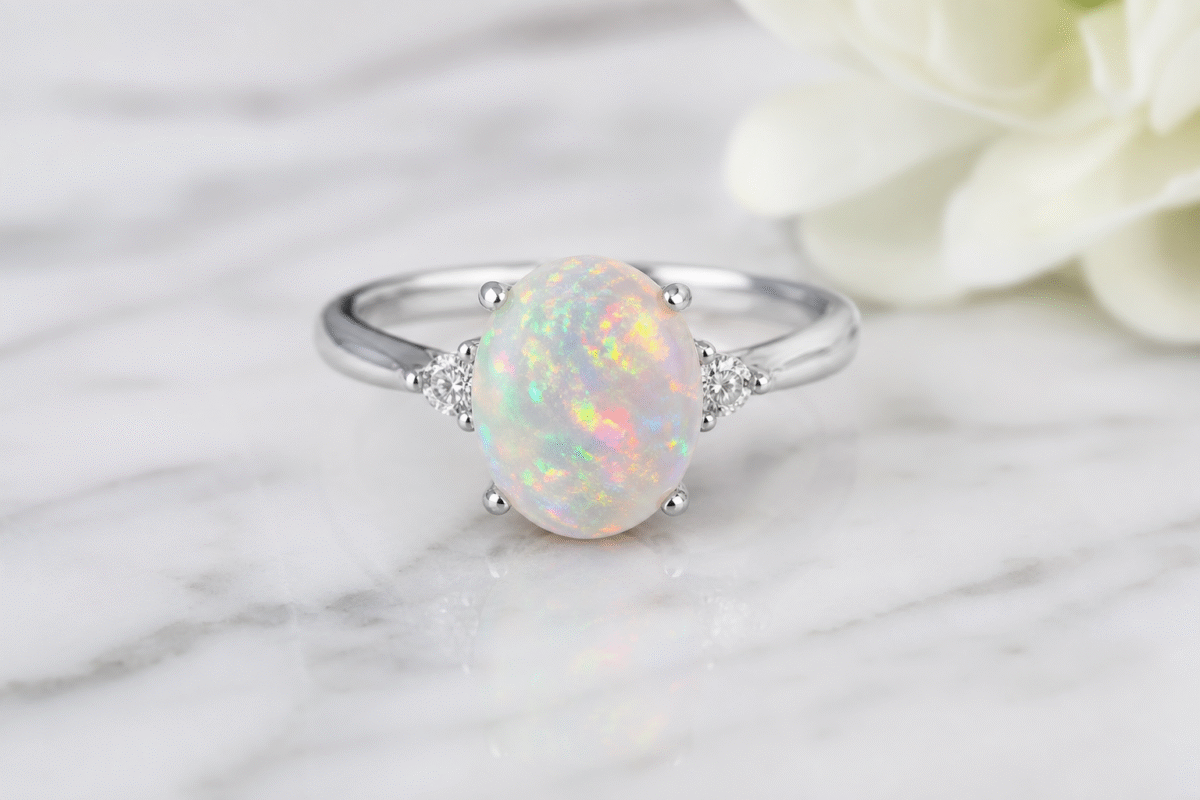
Opal rings are among the most visually captivating gemstone jewelry in the world. Known as the “gem of gems” since Roman times, opals are formed from silica gel that seeps into cracks and fissures in rocks, eventually hardening into this remarkable mineraloid. Unlike most gemstones, opals are not crystalline structures—they’re composed of tiny silica spheres that diffract light, creating the famous “play of color” that makes each opal unique.
The value of an opal ring depends on several factors: the intensity and range of its color play, the background color (black and dark body tones command higher prices), the pattern displayed (harlequin and pinfire are highly sought after), and the absence of cracks or crazing. According to the Gemological Institute of America (GIA), the most valuable opals display a full spectrum of colors with intense saturation.
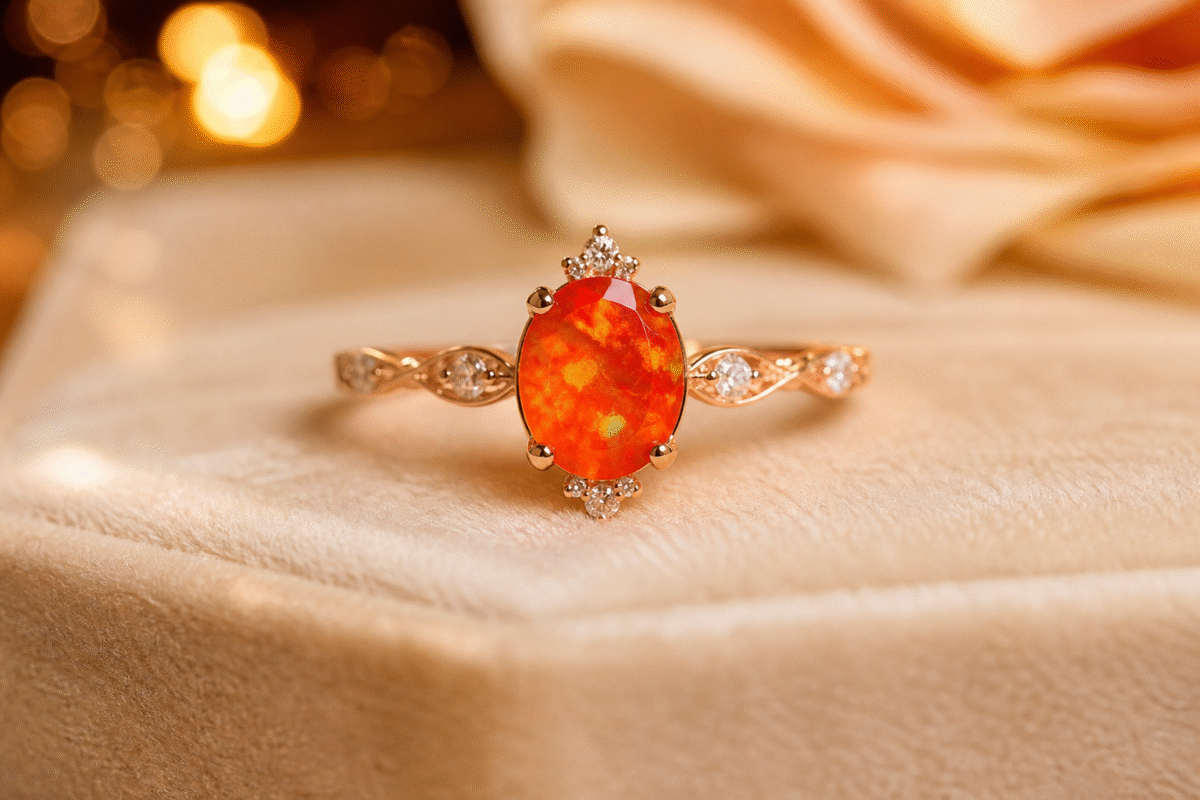
Opals come from several sources worldwide. Ethiopia produces Welo opals known for their large size and dramatic color play, while Australia remains the source of the finest precious opals, particularly from the Lightning Ridge mine where black opals are mined. Mexico is famous for its fire opals, which range from honey yellow to vibrant orange-red.
Types of Opal for Rings
Black Opal: The rarest and most valuable type, primarily from Lightning Ridge, Australia. Its dark body tone makes the color play appear more vivid and saturated.
White/Freeze Opal: From Australia’s Etheridge Creek, these have a white or pale body tone with exceptional color play, resembling a freeze-frame of colors.
Fire Opal: From Mexico, these translucent stones range from yellow to red, some displaying no color play but prized for their warm body color.
Crystal Opal: Transparent to translucent with excellent color visibility through the stone, valued for both beauty and durability in rings.
How to Care for Your Opal Ring
Opals are relatively soft stones (5.5-6.5 on the Mohs scale) and contain water (3-10%), making them delicate compared to diamonds or sapphires. Proper care ensures your opal ring remains beautiful for generations.
Avoid extreme temperature changes — sudden heat or cold can cause cracking. Remove your opal ring before swimming — chlorine damages the stone’s surface. Store separately from harder gems to prevent scratches. Clean with a soft, damp cloth — never use ultrasonic cleaners or harsh chemicals.
The International Gemological Society (IGS) recommends rehydrating your opal occasionally if you live in a dry climate. Place the stone near a water source (not directly in water) for a few hours every few months, then wipe gently with a soft cloth.
Why Choose an Opal Ring?
Opals symbolize hope, purity, and truth. As the October birthstone, they carry deep cultural significance across many traditions. No two opals are alike, making each opal ring a truly unique piece of jewelry. Many jewelry experts recommend opal rings for those who want something truly distinctive—your opal will be one-of-a-kind, just like the person wearing it.
At ETYGEM, we source certified natural opals from trusted mines worldwide, ensuring every ring meets the highest quality standards. Our collection includes everything from affordable everyday opal rings to investment-grade precious opal pieces.
Opal Ring Settings
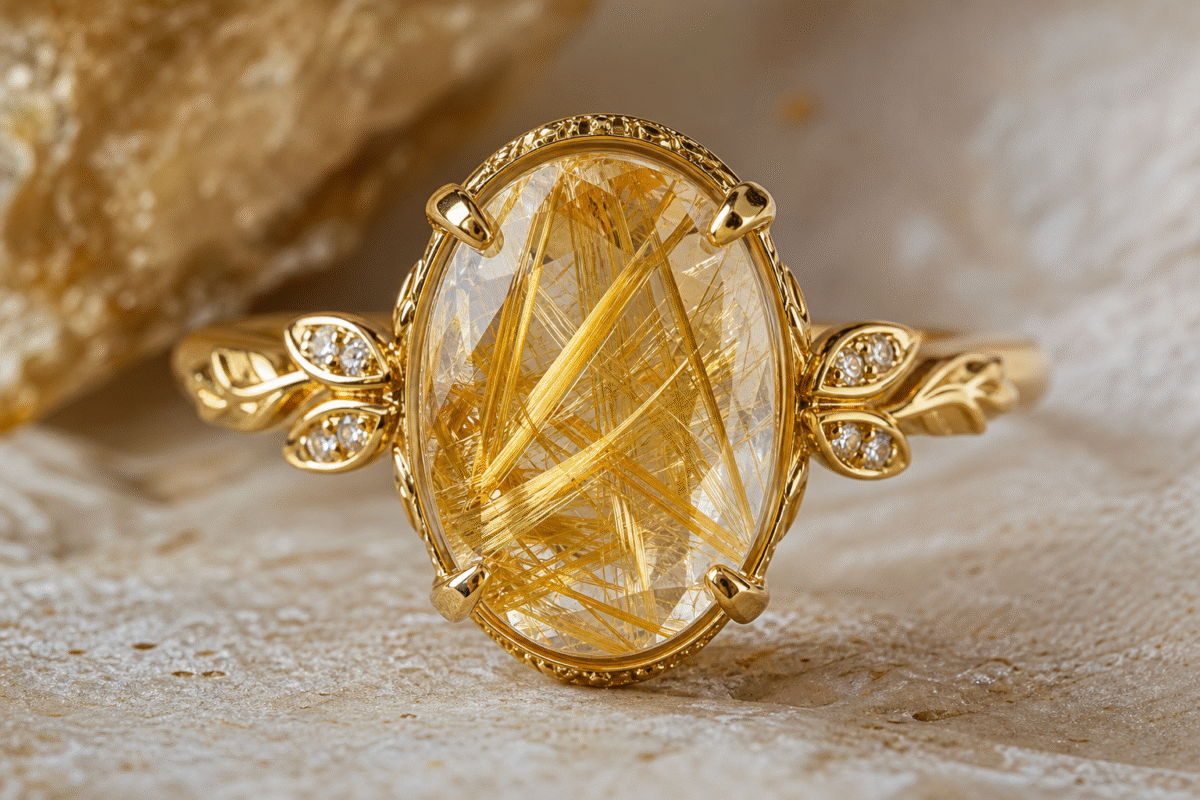
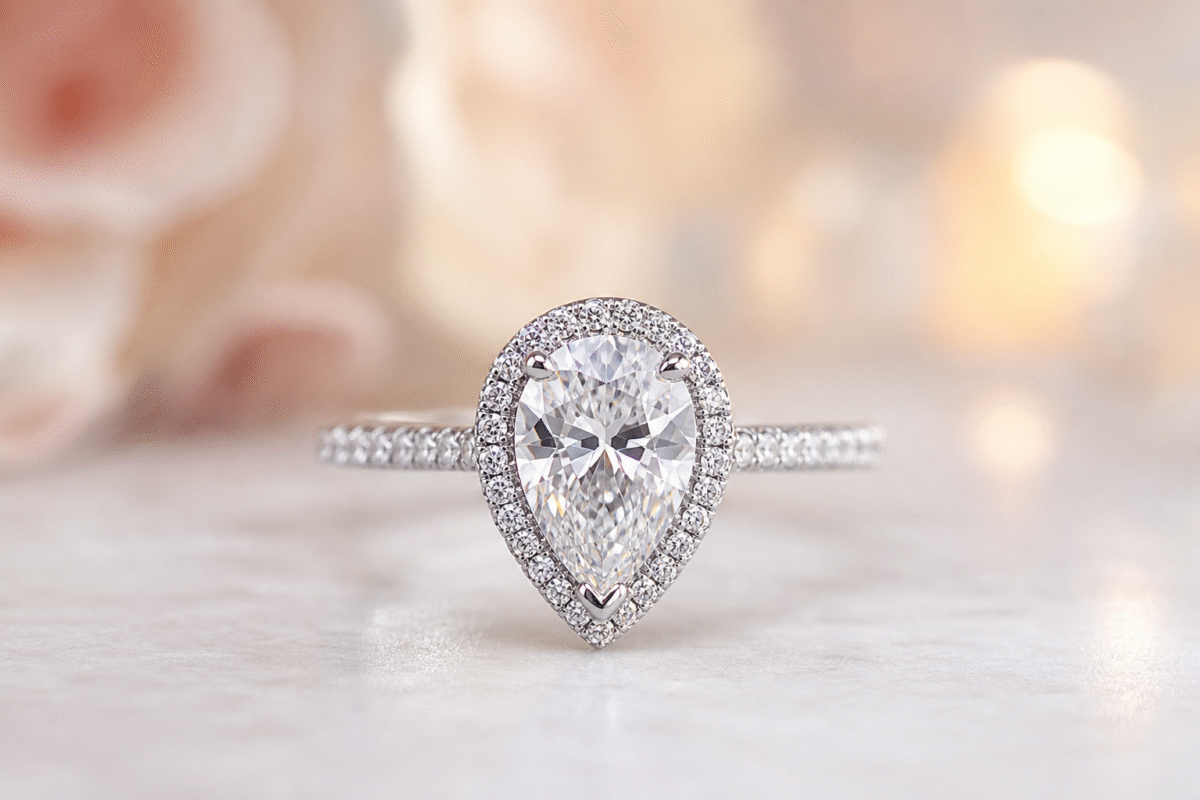
For ring wear, certain settings protect opals better than others. Halo settings surround the opal with smaller diamonds or gemstones, providing extra protection. Bezel settings encircle the stone with metal, offering maximum security. Three-stone settings with opal as the center stone create a beautiful combination with complementary side stones. Consider the metal choice too — yellow gold enhances warm opal colors, while white gold or platinum complements cooler tones.
Find Your Perfect Ring at ETYGEM
Ready to find the ring of your dreams? Our curated collection features hand-selected gemstones, expert craftsmanship, and competitive pricing. Browse our {cat} collection and discover the perfect piece that speaks to you.
Every ETYGEM purchase includes: certification of authenticity, lifetime warranty on the setting, free resizing, and 30-day hassle-free returns. Shop with confidence knowing you’re getting exceptional value and quality.
Frequently Asked Questions
What is the best gemstone for an engagement ring?
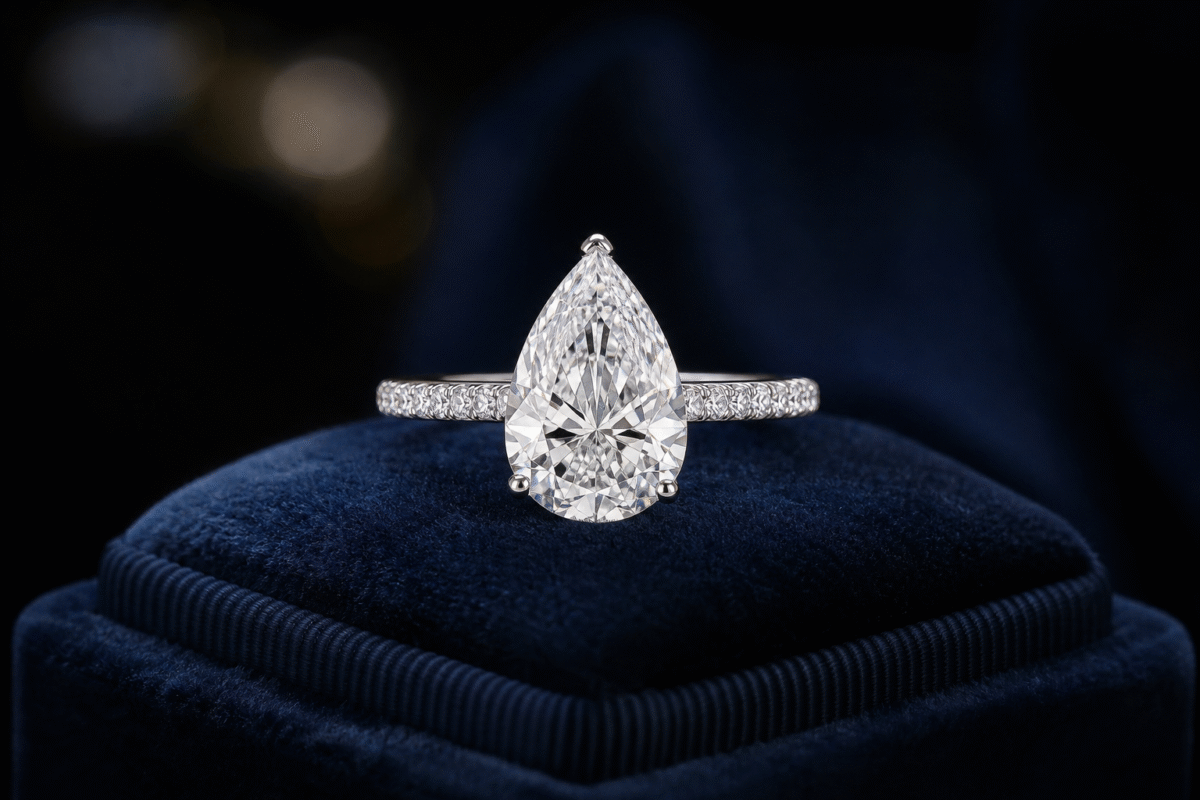
While diamonds remain the most popular choice, sapphires, moissanite, and morganite are excellent alternatives that offer similar durability at lower cost. The best choice depends on your personal style, budget, and values. For everyday durability, sapphires (9 Mohs) and moissanite (9.25 Mohs) are top choices alongside diamonds.
How should I care for my gemstone ring?
Clean your ring monthly with warm soapy water and a soft brush. Remove before swimming, cleaning, or heavy physical work. Have it professionally inspected every 6-12 months. Store separately from other jewelry to prevent scratches.
Are lab-created or natural gemstones better?
Both have advantages. Natural gemstones are formed over millions of years and have unique characteristics. Lab-created stones offer identical chemical composition at a lower price. At ETYGEM, we offer both options so you can choose what aligns with your values and budget.
What metal is best for a gemstone ring?
Platinum and white gold complement cool-toned stones like sapphires and diamonds. Yellow gold enhances warm stones like morganite and citrine. Rose gold creates beautiful contrast with both cool and warm stones. The best choice depends on your skin tone and personal style.
Does ETYGEM offer warranties and returns?
Yes! All ETYGEM rings come with a lifetime warranty on the setting, complimentary resizing, and a 30-day hassle-free return policy. We also provide certification of authenticity for all gemstones, ensuring you receive exactly what you paid for.