Star Sapphire Rings: Understanding Asterism, Value, and How to Choose
In a world of dazzling diamonds and classic gemstones, the star sapphire ring radiates a quiet, celestial charm unlike any other. Its allure lies not only in its shimmering surface but also in the fascinating mystique woven into every facet. For centuries, star sapphires have captivated jewelry lovers and gemstone connoisseurs alike—not just for their stunning appearance but for the stories and symbolism that surround them. At ETYGEM, we consider star sapphire rings among the most captivating pieces in fine jewelry.
What Is a Star Sapphire? Understanding Asterism
The star sapphire’s signature feature is its extraordinary optical phenomenon—a luminous star that appears to glide gracefully across the gemstone’s surface. This effect, called asterism, is caused by light reflecting off intersecting needle-like inclusions of rutile (titanium dioxide) within the sapphire crystal.
According to the Gemological Institute of America (GIA), asterism occurs when these microscopic rutile needles align along three crystallographic axes at 60-degree angles. When the stone is cut as a cabochon (smooth, domed shape), these intersecting needles create a six-rayed star that appears to float on the surface. Some rare specimens display 12-rayed stars due to additional inclusion patterns.
Unlike other gemstones that glow with internal fire or brilliance, the star sapphire’s celestial figure is a dance of light that seems to hold mysteries of the night sky within a polished stone. This makes star sapphire rings fundamentally different from faceted sapphire jewelry—they are meant to be admired for their phenomenon rather than their sparkle.
The History and Mystical Significance of Star Sapphires
Ancient Civilizations and Sacred Beliefs
The history of star sapphires dates back centuries, tracing roots to ancient civilizations where the gemstone was revered for its mystical properties. In India, the star sapphire was considered sacred, believed to contain divine blessings shining through its starlike surface. It was thought to offer protection from harm, ward off evil, and bring good fortune to its wearer.
Southeast Asian Traditions
In Thai and Burmese traditions, star sapphires were thought to amplify spiritual energies, making them prized talismans for monks and nobles alike. The famous Star of India—a 563-carat star sapphire now housed in the American Museum of Natural History—was originally mined in Sri Lanka centuries ago and has passed through many hands, each attributing mystical powers to its celestial glow.
Medieval European Beliefs
During the Middle Ages, European clergy wore star sapphires as symbols of divine favor and celestial guidance. The three crossbars of the six-rayed star were said to represent Faith, Hope, and Destiny. Travelers carried star sapphires as protective talismans, believing the star would guide them safely home.
Modern Symbolism
Today, star sapphire rings symbolize wisdom, destiny, and spiritual insight. They remain popular choices for engagement rings and milestone jewelry, particularly among those who appreciate gemstones with deeper meaning. If you’re drawn to sapphires in general, our guide to alternative engagement stones explores other brilliant options.
Types and Colors of Star Sapphires
Blue Star Sapphire
The most classic and sought-after variety, blue star sapphires range from light cornflower blue to deep royal blue. The finest specimens come from Sri Lanka (Ceylon) and Myanmar (Burma), displaying sharp, well-centered stars against a rich blue body color. Kashmir blue star sapphires are exceptionally rare and command the highest prices.
Black Star Sapphire
Black star sapphires feature a dark gray to black body color with a silver or golden star. While less expensive than blue varieties, they create dramatic, bold jewelry pieces. Thailand is a primary source for quality black star sapphires, and their affordability makes them accessible for statement rings.
Pink and Purple Star Sapphire
These feminine varieties display soft pink to rich purple body colors with delicate stars. Sri Lanka produces exceptional pink star sapphires that combine the romance of pink gemstones with the mystique of asterism—perfect for those seeking something unique beyond traditional gemstone rings.
Gray Star Sapphire
Gray star sapphires offer a sophisticated, understated elegance. Their neutral body color allows the star to stand out prominently, and they pair beautifully with both white and yellow gold settings. These stones are often more affordable while still displaying excellent asterism.
Yellow and Orange Star Sapphire
Rare and highly prized, yellow and orange star sapphires (sometimes called “star padparadscha” when displaying a pink-orange hue) are collector’s gems. Their warm tones combined with the star effect create truly exceptional pieces.
How to Evaluate a Star Sapphire Ring
The International Gem Society (IGS) identifies several key quality factors for star sapphires that differ from standard faceted gemstone grading:
Star Quality
The most important factor is the star itself. A high-quality star should be:
- Sharp and well-defined: Each ray should be crisp, not fuzzy or diffused
- Centered: The star should sit in the middle of the cabochon
- Complete: All six rays should be visible and of equal length
- Mobile: The star should move smoothly across the surface as the stone is tilted
Body Color
After star quality, body color is the next most important factor. Rich, saturated colors command higher prices. The ideal blue star sapphire displays a vivid medium-to-dark blue without appearing too dark (which can obscure the star) or too light (which reduces visual impact).
Transparency
Star sapphires range from semi-transparent to opaque. Some translucency is desirable as it gives the stone depth and allows the star to appear to float above the surface. Completely opaque stones can appear flat and lifeless.
Cut and Proportions
The cabochon cut must be properly proportioned to display the star optimally. The dome should be high enough to concentrate the star but not so high that the stone becomes impractical for ring settings. Symmetry is crucial—an asymmetric cabochon will produce an off-center star.
Size and Carat Weight
Star sapphires are available in a wide range of sizes. Larger stones (over 5 carats) tend to display more impressive stars because the larger surface area allows the rays to extend more dramatically. However, quality always trumps size—a smaller stone with a sharp, vivid star is more valuable than a larger stone with a weak one.
Star Sapphire vs. Regular Sapphire: Key Differences
| Feature | Star Sapphire | Faceted Sapphire |
|---|---|---|
| Cut Style | Cabochon (smooth dome) | Faceted (flat surfaces) |
| Key Feature | Asterism (star effect) | Brilliance and fire |
| Inclusions | Required (rutile needles create star) | Fewer is better |
| Transparency | Semi-transparent to opaque | Transparent preferred |
| Price (comparable quality) | Generally lower | Generally higher |
| Durability | 9 Mohs (excellent) | 9 Mohs (excellent) |
Both varieties share sapphire’s exceptional hardness of 9 on the Mohs scale, making them excellent choices for everyday wear in rings. The American Gem Society (AGS) confirms that sapphires are second only to diamonds in hardness, making star sapphire rings highly durable for daily wear.
Best Settings for Star Sapphire Rings
Bezel Setting
A bezel setting wraps metal around the entire circumference of the cabochon, providing maximum security. This setting is particularly well-suited for star sapphires because it protects the dome while allowing unobstructed viewing of the star from above.
Three-Prong or Four-Prong Setting
Prong settings allow more light to reach the stone from the sides, which can enhance the star’s visibility. However, prongs should be positioned carefully to avoid obstructing any of the star’s six rays.
East-West Setting
For oval cabochons, an east-west (horizontal) setting creates a modern, distinctive look. This orientation can make the star appear to stretch across the finger, creating a unique visual effect.
Caring for Your Star Sapphire Ring
Star sapphires are remarkably durable, but proper care ensures lasting beauty:
- Cleaning: Warm soapy water and a soft brush work perfectly. Ultrasonic cleaners are generally safe for untreated star sapphires
- Storage: Store separately from other jewelry to prevent scratching softer pieces
- Avoid: Extreme heat can damage some treated stones. Always disclose treatments to your jeweler before any repair work
- Professional check: Annual inspection ensures the cabochon remains secure in its setting
Buying Tips: How to Choose the Perfect Star Sapphire Ring
As certified gemstone professionals, we recommend the following approach when shopping for a star sapphire ring:
- View under a single light source: Stars are best evaluated under a single point light (like a penlight), not diffused lighting
- Check star sharpness: Move the stone under light—the star should be crisp and responsive
- Verify natural origin: Synthetic star sapphires exist and are much less valuable. Request certification for significant purchases
- Consider treatment disclosure: Some star sapphires are heated to improve color. This is accepted practice but should be disclosed and priced accordingly
- Match setting to lifestyle: For daily wear, choose protective settings; for occasional wear, more open designs work well
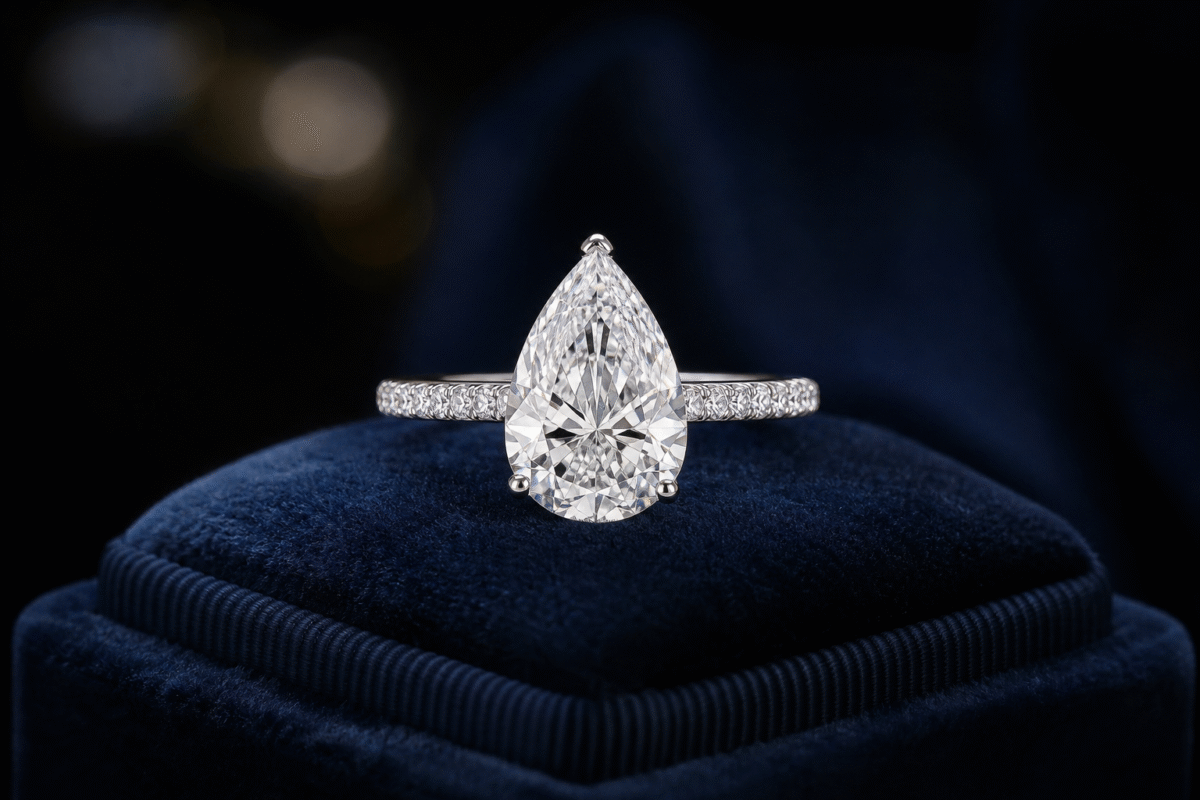
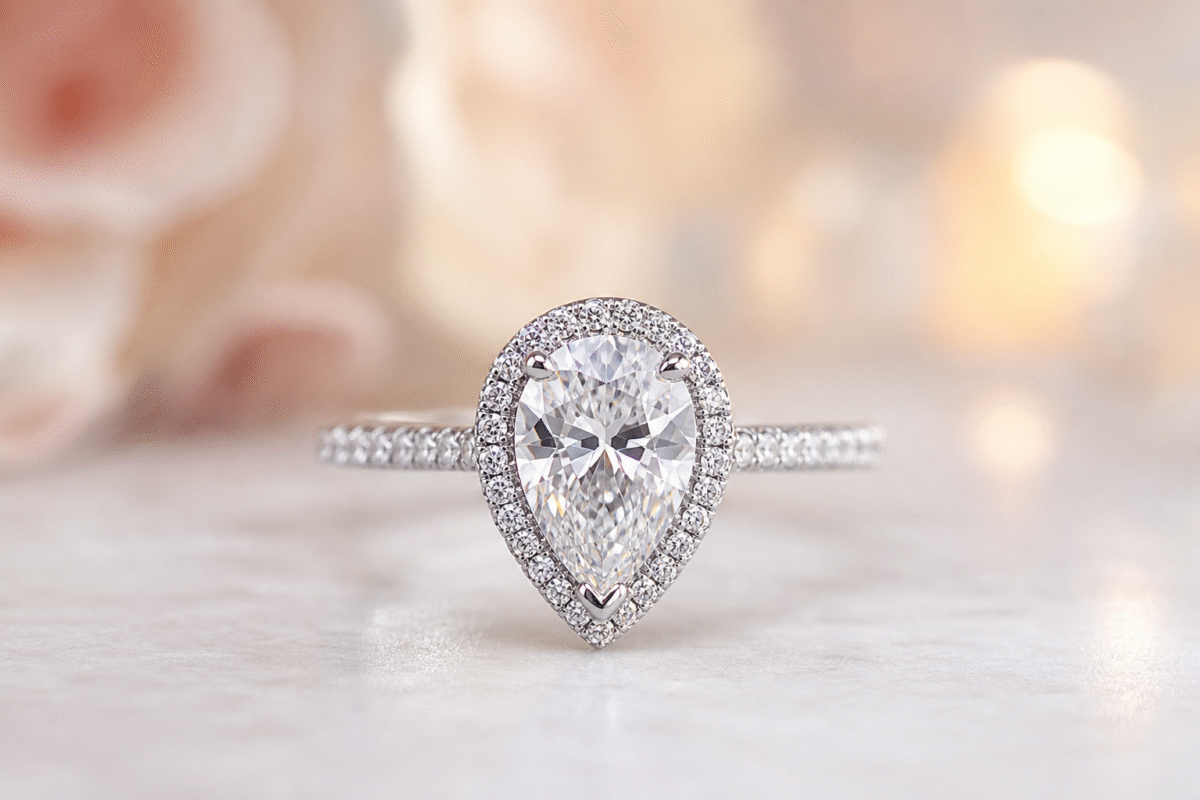
For those exploring unique engagement ring options, star sapphires offer a meaningful alternative to traditional diamonds. You might also appreciate our guides on alexandrite rings or pear-shaped engagement rings for more distinctive choices.
Shop Star Sapphire Rings at ETYGEM
At ETYGEM, we source certified star sapphires that display sharp, well-defined asterism with rich body colors. Each stone is carefully evaluated by our gemologists to ensure exceptional star quality and natural beauty. Browse our gemstone ring collection to discover star sapphires and other extraordinary celestial gemstones.
Frequently Asked Questions About Star Sapphire Rings
What causes the star effect in star sapphires?
The star effect (asterism) is caused by microscopic needle-like inclusions of rutile (titanium dioxide) that align along three crystallographic axes within the sapphire crystal. When the stone is cut as a cabochon, light reflects off these intersecting needles to create a six-rayed star that appears to float on the surface.
Are star sapphires more expensive than regular sapphires?
Generally, faceted sapphires of comparable color quality are more expensive than star sapphires. However, exceptional star sapphires with sharp, well-centered stars and vivid body colors can command premium prices. The famous Star of Kashmir and Star of India are among the most valuable sapphires ever found. For most buyers, star sapphires offer excellent value compared to equivalent-sized faceted sapphires.
Can star sapphire rings be worn every day?
Yes. Sapphires rate 9 on the Mohs hardness scale, making them extremely durable for daily wear. The cabochon cut is actually quite resistant to chipping compared to faceted stones with sharp edges. Star sapphire rings are an excellent choice for engagement rings or everyday jewelry that will withstand years of wear.
How can I tell if a star sapphire is natural or synthetic?
Synthetic star sapphires (often called Linde stars) typically display a very sharp, perfect star that appears almost too flawless. Natural stars tend to have slight imperfections—rays may vary slightly in intensity or sharpness. A certified gemologist can definitively identify natural vs. synthetic stones through microscopic examination of inclusion patterns.
What is the best color for a star sapphire ring?
Blue remains the most popular and traditionally valued color for star sapphires, with medium-to-dark cornflower blue being the most desirable. However, the “best” color is ultimately personal preference. Black star sapphires offer dramatic elegance at accessible prices, while pink and purple varieties provide romantic alternatives. The key is finding a stone where the body color enhances rather than obscures the star.