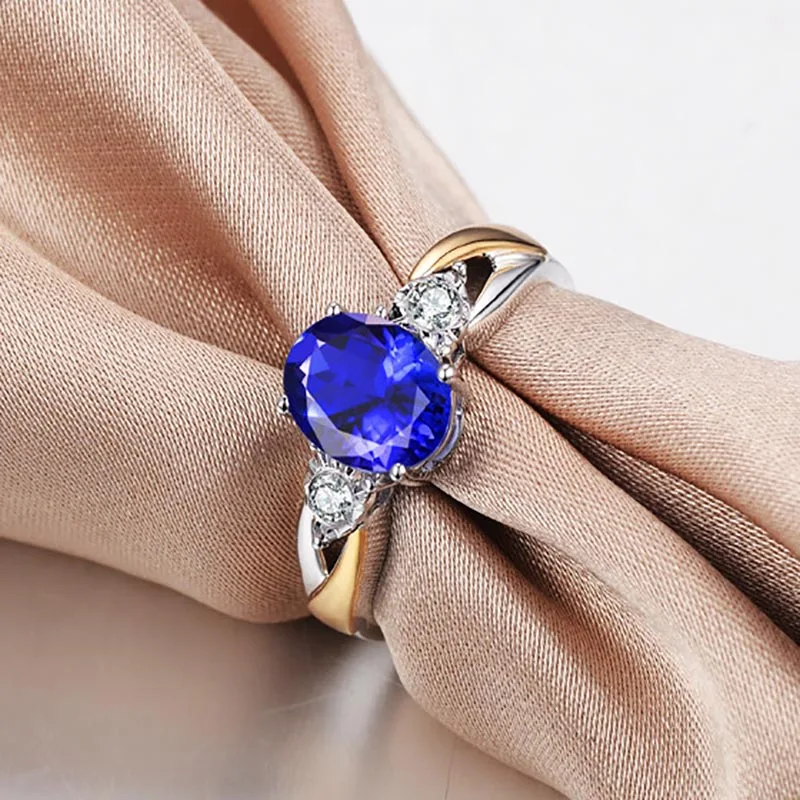
Sapphire Ring: A Timeless Symbol of Elegance and Beauty
Sapphire rings have long been celebrated as symbols of love, wisdom, and loyalty. Their stunning blue hues and enduring quality make them an ideal choice for engagement rings, special gifts, and heirlooms passed down through generations. This article will dive deep into the beauty, history, and practical considerations of sapphire rings, offering expert insights and detailed information to help you make an informed decision when purchasing or gifting a sapphire ring.
Product Overview: What Makes Sapphire Rings Special?
Sapphire is a precious gemstone, known for its striking beauty and remarkable durability. The rich blue color, especially when deep and vibrant, has made it a favored gemstone for centuries. Sapphires come in various colors, but blue sapphires remain the most popular. Here’s an overview of what you should know when considering a sapphire ring.
Key Features of Sapphire Rings
| Feature | Details |
|---|---|
| Gemstone | Sapphire (primarily blue, but available in other colors) |
| Cut | Round, Oval, Princess, Cushion, Emerald, and more |
| Carat Weight | Ranges from 0.5 ct to over 10 ct |
| Clarity | Typically ranges from VS (very slight inclusions) to IF (internally flawless) |
| Color | From deep royal blue to lighter shades, some sapphires have hints of purple, pink, or green |
| Origin | Sapphires are primarily sourced from Sri Lanka, Myanmar, Kashmir, Madagascar, and Thailand |
| Setting | Solitaire, Halo, Three-stone, Vintage, and more |
| Metal | White Gold, Yellow Gold, Rose Gold, Platinum, and Silver |
| Durability | 9 on the Mohs scale, making it one of the hardest gemstones, ideal for daily wear |
Why Choose Sapphire Rings?
1. Timeless Beauty
The allure of sapphire lies not only in its stunning color but also in its ability to complement a variety of metals and settings. Whether set in white gold for a modern look or yellow gold for a more classic appearance, sapphire rings exude sophistication and elegance. Their color is universally loved and suits all skin tones.
2. Durability
Sapphires are one of the hardest gemstones available, second only to diamonds. With a 9 on the Mohs hardness scale, sapphires are incredibly durable and resistant to scratches, making them perfect for everyday wear, especially as engagement rings or wedding bands.
3. Symbolism
Throughout history, sapphires have been associated with purity, wisdom, and faithfulness. Their rich blue hue is said to symbolize loyalty and sincerity, making sapphire rings a popular choice for engagements, anniversaries, and other important milestones in life.
4. Rarity and Investment Value
High-quality sapphires, particularly those with deep blue color and excellent clarity, are rare and can significantly increase in value over time. As a result, sapphire rings are not only beautiful pieces of jewelry but also valuable investments.
How to Choose the Perfect Sapphire Ring
When selecting a sapphire ring, several factors should be considered to ensure you choose the right one. Here’s a breakdown of the essential factors to keep in mind:
1. Sapphire Color
The color of a sapphire is the most important factor when assessing its quality. The most valuable sapphires are those with a deep, vibrant blue. However, sapphires also come in other colors, including pink, yellow, and green. When evaluating color, look for:
- Hue: The dominant color of the gemstone.
- Tone: The lightness or darkness of the color.
- Saturation: The intensity of the color.
For blue sapphires, the ideal color is often described as “royal blue” or “cornflower blue,” which provides the most vibrant and desirable appearance.
2. Sapphire Cut
The cut of a sapphire affects its overall appearance and brilliance. A well-cut sapphire will display more brilliance and sparkle, while a poorly cut sapphire may appear dull. Common cuts for sapphire rings include:
- Round: Classic and timeless, the round cut is popular for its symmetrical beauty.
- Oval: Elongates the finger and creates a sophisticated look.
- Princess: A modern cut with sharp edges and a square shape.
- Cushion: A square shape with rounded corners, offering a vintage, romantic feel.
- Emerald: Known for its rectangular shape and step cuts, providing a more understated elegance.
3. Sapphire Clarity
Clarity refers to the presence of internal or external imperfections, known as inclusions or blemishes. While some sapphires may have visible inclusions, these are often not noticeable to the naked eye, especially in smaller gemstones. When choosing a sapphire ring, clarity is important, but it should not be the only deciding factor. Some inclusions are even considered a natural characteristic, adding to the uniqueness of the stone.
4. Sapphire Carat Weight
The carat weight of a sapphire determines its size, but larger sapphires with excellent color and clarity are much rarer and more expensive. Consider the size of the ring setting and your personal preference when choosing the carat weight. Larger stones make a bold statement, while smaller stones can be more subtle and delicate.
5. Metal Type
The metal used for the band of your sapphire ring plays a significant role in the overall look and feel of the piece. Common metals used for sapphire rings include:
- White Gold: Elegant and modern, white gold complements the bright blue of sapphires.
- Yellow Gold: A classic choice that enhances the gemstone’s color.
- Rose Gold: Offers a romantic and vintage touch.
- Platinum: Durable and hypoallergenic, platinum is a high-end choice for those seeking a luxurious feel.
Sapphire Ring FAQ
1. What is the best way to care for a sapphire ring?
Sapphire rings should be cleaned regularly using mild soap and warm water. Avoid harsh chemicals or ultrasonic cleaners, which may damage the setting or cause scratches. Store the ring in a soft cloth pouch or jewelry box to prevent scratches from other jewelry.
2. How can I tell if a sapphire is real?
To determine if a sapphire is genuine, it’s essential to check for specific characteristics such as its hardness, color saturation, and clarity. Genuine sapphires typically have a smooth, lustrous appearance and high clarity, although some inclusions may be visible under magnification. It’s always recommended to purchase from reputable jewelers who provide certification for their gemstones.
3. Are sapphires more affordable than diamonds?
Yes, sapphires are generally more affordable than diamonds. While diamond prices can be extremely high, especially for larger stones, sapphires provide a more budget-friendly alternative with similar beauty and durability. The price of a sapphire ring depends on factors such as size, quality, and origin.
Conclusion: The Enduring Charm of Sapphire Rings
Whether you’re looking for a stunning engagement ring, a meaningful anniversary gift, or a statement piece for any special occasion, sapphire rings are an excellent choice. Their timeless beauty, durability, and rich symbolism make them more than just jewelry; they are treasures that hold sentimental value and are meant to be cherished for years to come.
By carefully considering the key factors—color, clarity, cut, carat weight, and metal type—you can select a sapphire ring that perfectly suits your taste and budget. Investing in a sapphire ring is not only a celebration of beauty but also a lasting symbol of the important moments in your life.
With its vibrant blue hues and exceptional durability, the sapphire ring is truly a timeless piece that will remain in style for generations. Whether worn as an engagement ring or an heirloom, a sapphire ring is more than just an accessory—it’s a part of your story.
What Makes Sapphire Rings Special?
Sapphires are among the most beloved gemstones in the world, ranking second only to diamonds in hardness on the Mohs scale at 9. This exceptional durability, combined with their stunning color range, makes sapphire rings an excellent choice for everyday wear — particularly engagement rings.
While blue sapphires are the most famous variety, sapphires actually come in every color except red (if it’s red, it’s a ruby — both are varieties of the mineral corundum). Pink, yellow, purple, green, and even color-changing sapphires are all real and highly valued by gem collectors.
According to the Gemological Institute of America (GIA), the most valuable sapphires display a vivid, medium-to-medium-dark blue saturation with no obvious color zoning. Kashmir sapphires are considered the finest, followed by Burmese (Myanmar) and Ceylon (Sri Lankan) stones.
Sapphire Ring Types and Origins
Blue Sapphire: The classic choice, ranging from pale sky blue to deep cornflower and midnight blue. Kashmir, Sri Lanka, and Madagascar are top sources.
Pink Sapphire: A romantic alternative to blue, pink sapphires have surged in popularity for engagement rings. They offer the same durability as blue sapphires with a softer, feminine appeal.
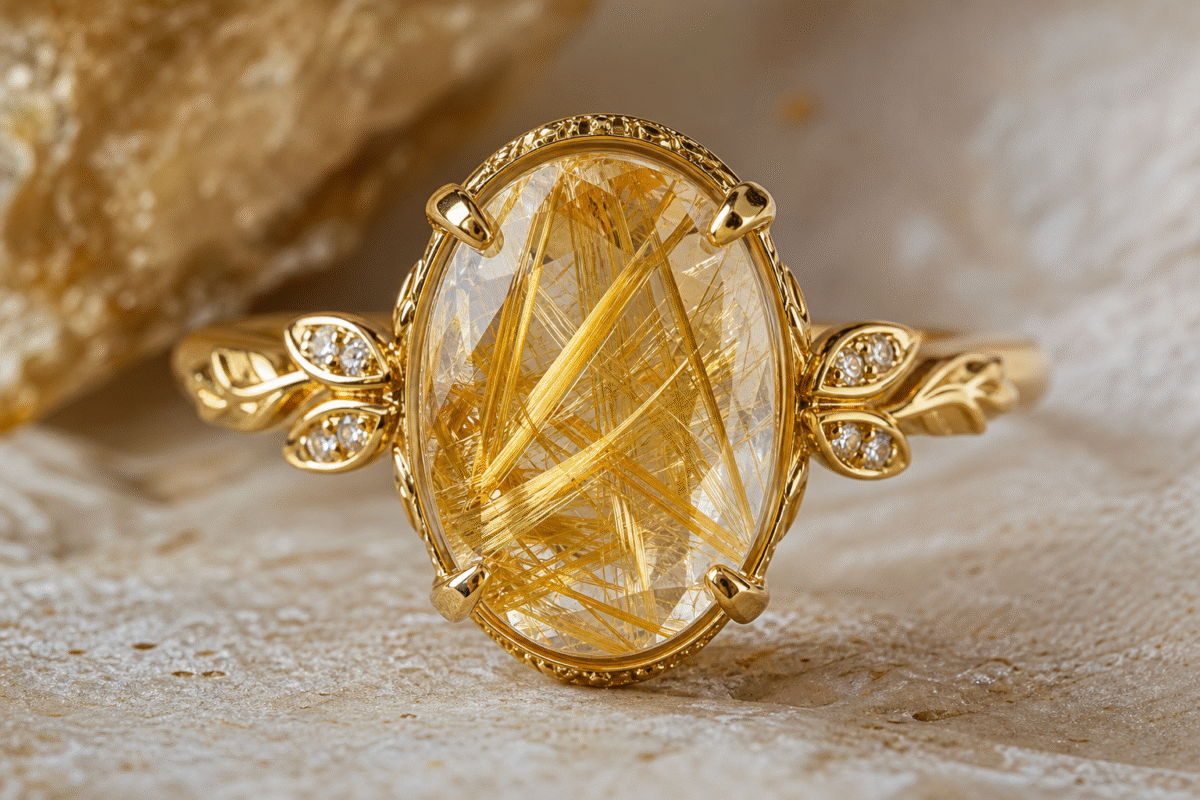
Yellow/Sapphire: Also known as citrine sapphire, these golden stones are warm and sunny, perfect for those who want something outside tradition.
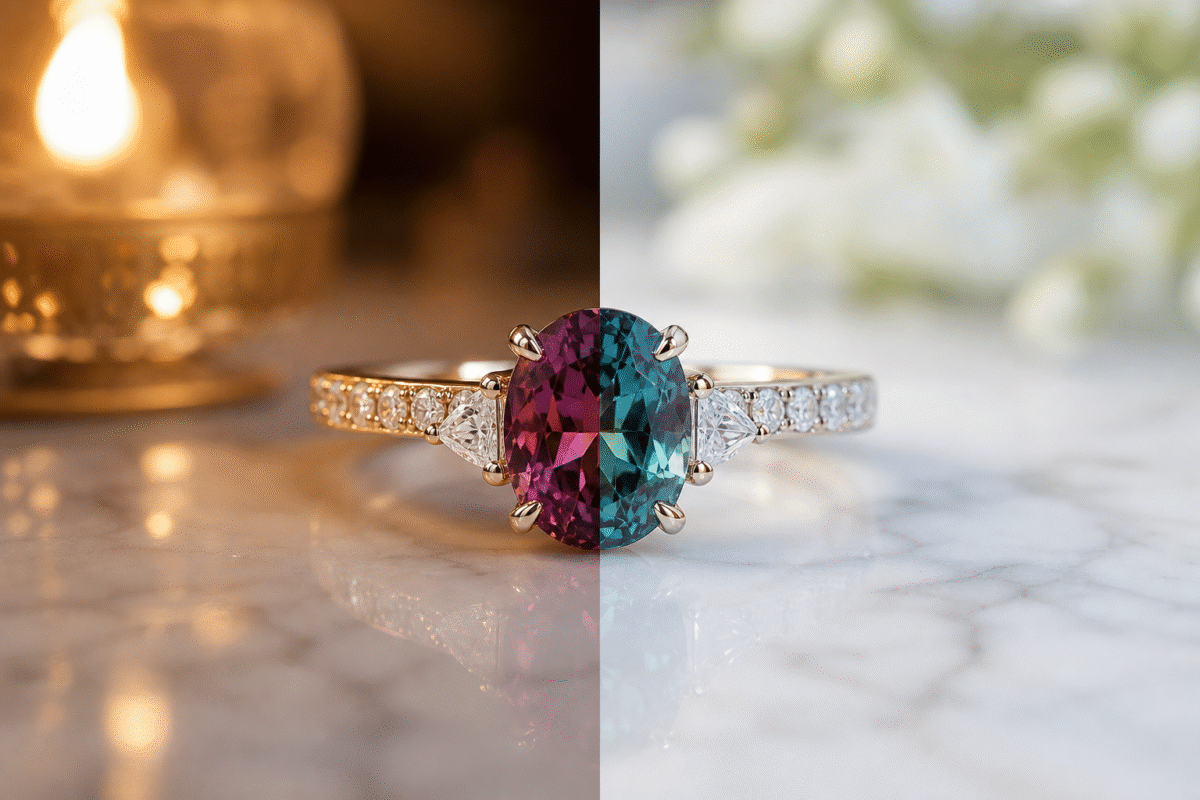
Color-Change Sapphire: A rare phenomenon where the stone appears blue in daylight and violet under incandescent light. This dramatic color shift makes them collector’s items.
Sapphire Ring Care and Durability
With a hardness of 9 on the Mohs scale, sapphires are the second hardest naturally occurring mineral after diamond (10). This makes sapphire rings exceptionally suitable for daily wear. They can withstand normal activities, though you should still remove them during heavy physical work or exposure to harsh chemicals.
Clean your sapphire ring with warm soapy water and a soft brush — this is safe and effective. The American Gem Society (AGS) notes that sapphires from most commercial sources are heated to improve color and clarity, which is an accepted and stable treatment that doesn’t require special care beyond normal gemstone maintenance.
Why Choose Sapphire for an Engagement Ring?
Sapphire engagement rings have royal pedigree — Princess Diana’s (and now Catherine, Princess of Wales’) iconic 12-carat blue sapphire engagement ring has inspired a generation of women to choose sapphires. But beyond fame, sapphires offer genuine advantages: they’re durable, available in a rainbow of colors, ethically sourced options are plentiful, and they provide exceptional value compared to diamonds of similar quality.
At ETYGEM, all our sapphires are certified natural gemstones, sourced responsibly from mines in Sri Lanka, Madagascar, Australia, and Africa. Each stone comes with a certificate of authenticity and our commitment to quality craftsmanship in every setting.
Find Your Perfect Ring at ETYGEM
Ready to find the ring of your dreams? Our curated collection features hand-selected gemstones, expert craftsmanship, and competitive pricing. Browse our {cat} collection and discover the perfect piece that speaks to you.
Every ETYGEM purchase includes: certification of authenticity, lifetime warranty on the setting, free resizing, and 30-day hassle-free returns. Shop with confidence knowing you’re getting exceptional value and quality.
Frequently Asked Questions
What is the best gemstone for an engagement ring?
While diamonds remain the most popular choice, sapphires, moissanite, and morganite are excellent alternatives that offer similar durability at lower cost. The best choice depends on your personal style, budget, and values. For everyday durability, sapphires (9 Mohs) and moissanite (9.25 Mohs) are top choices alongside diamonds.
How should I care for my gemstone ring?
Clean your ring monthly with warm soapy water and a soft brush. Remove before swimming, cleaning, or heavy physical work. Have it professionally inspected every 6-12 months. Store separately from other jewelry to prevent scratches.
Are lab-created or natural gemstones better?
Both have advantages. Natural gemstones are formed over millions of years and have unique characteristics. Lab-created stones offer identical chemical composition at a lower price. At ETYGEM, we offer both options so you can choose what aligns with your values and budget.
What metal is best for a gemstone ring?
Platinum and white gold complement cool-toned stones like sapphires and diamonds. Yellow gold enhances warm stones like morganite and citrine. Rose gold creates beautiful contrast with both cool and warm stones. The best choice depends on your skin tone and personal style.
Does ETYGEM offer warranties and returns?
Yes! All ETYGEM rings come with a lifetime warranty on the setting, complimentary resizing, and a 30-day hassle-free return policy. We also provide certification of authenticity for all gemstones, ensuring you receive exactly what you paid for.