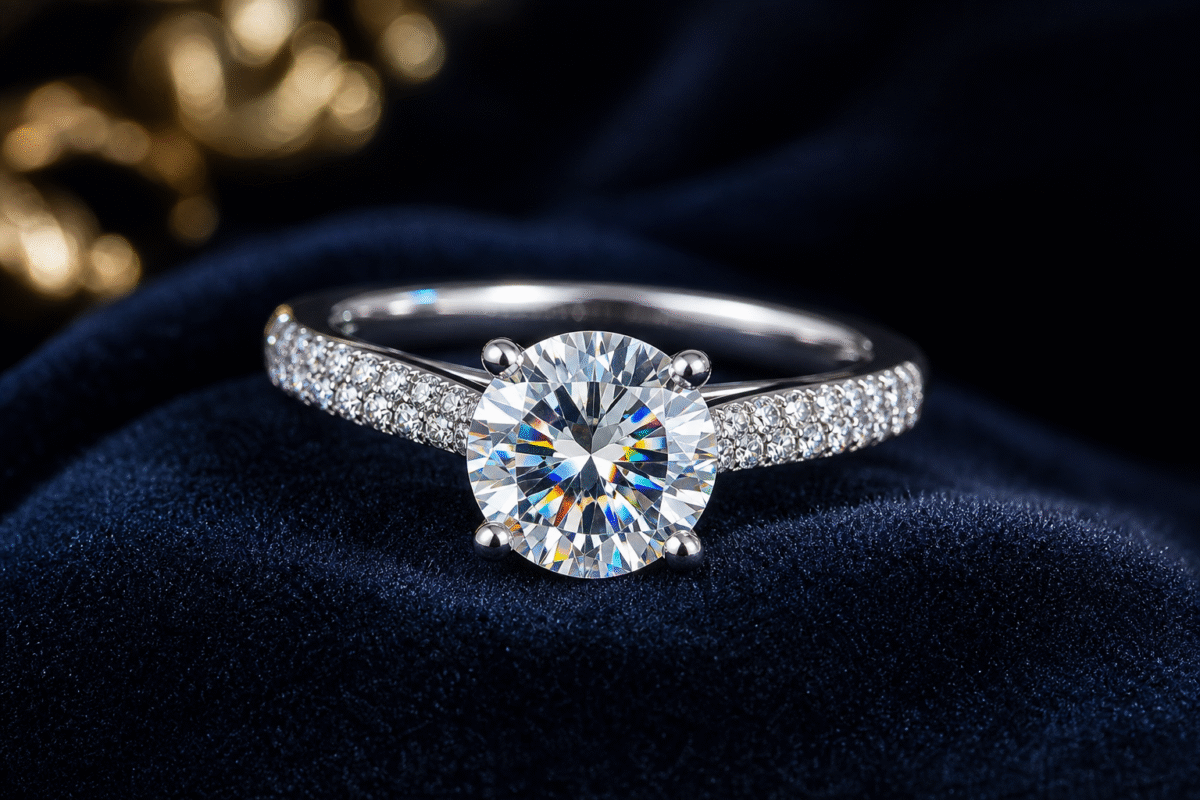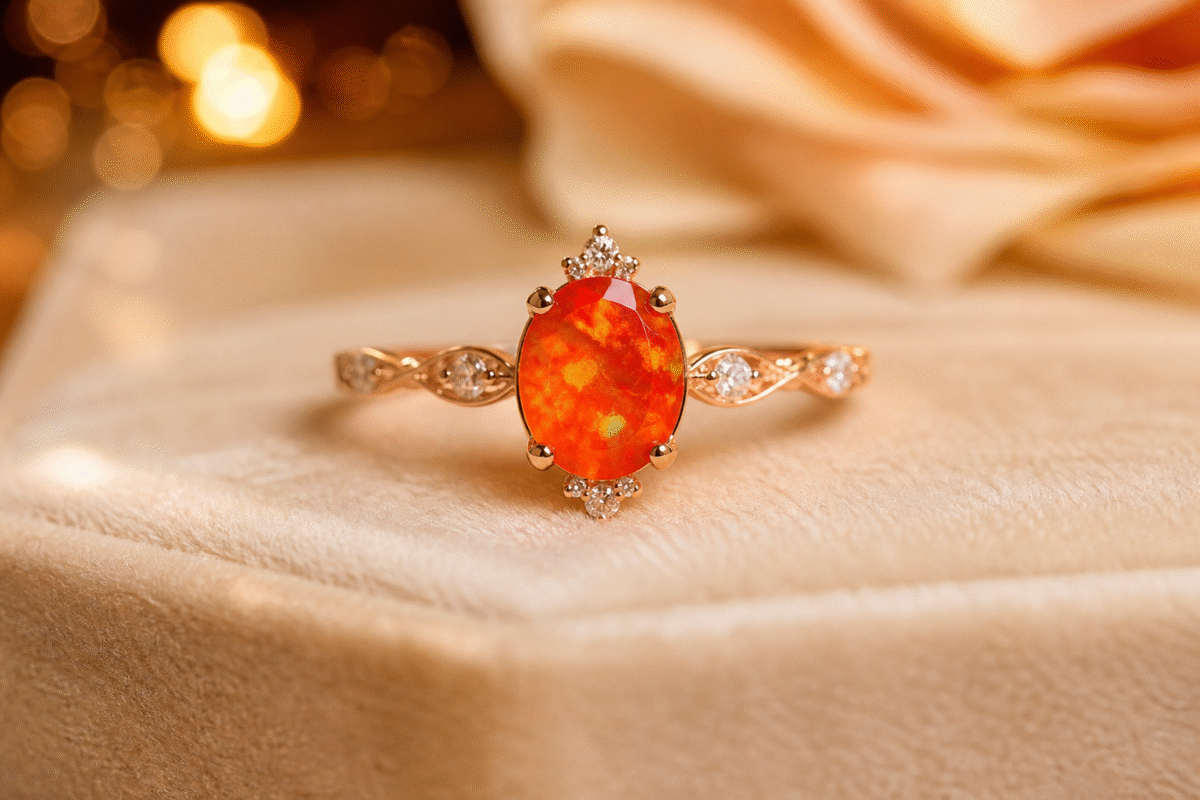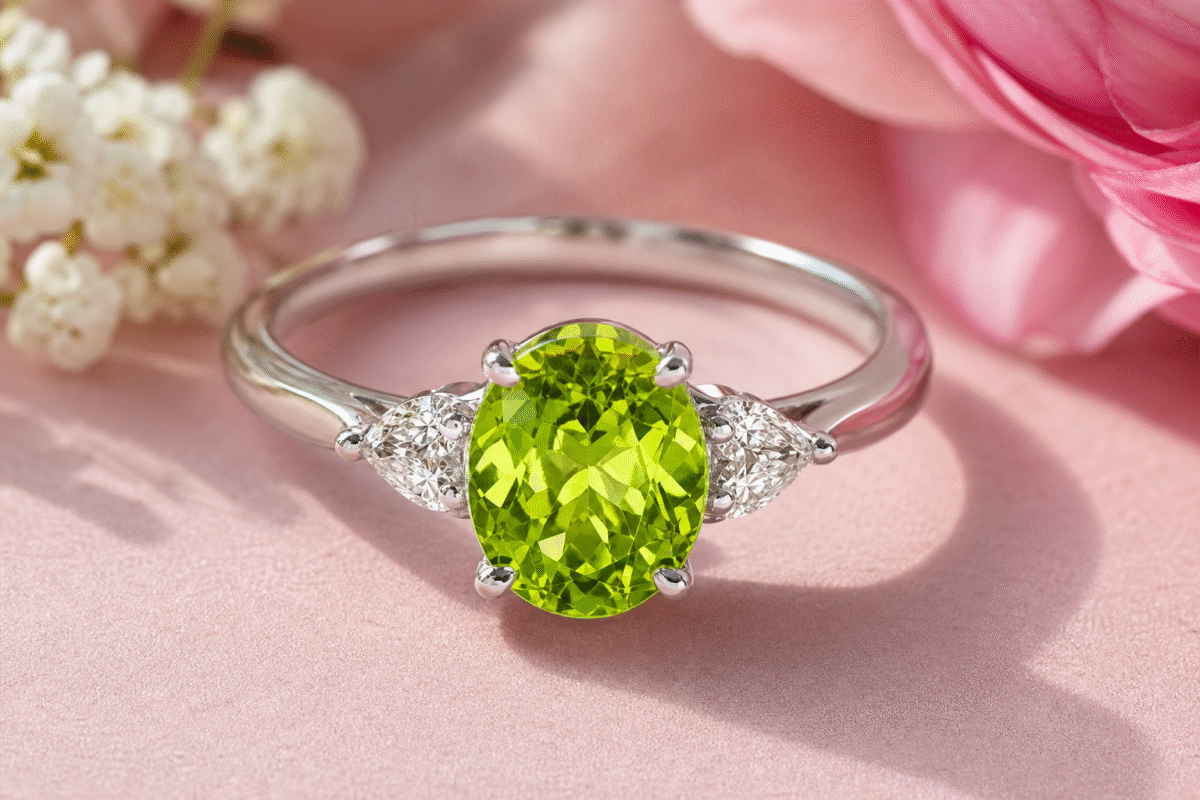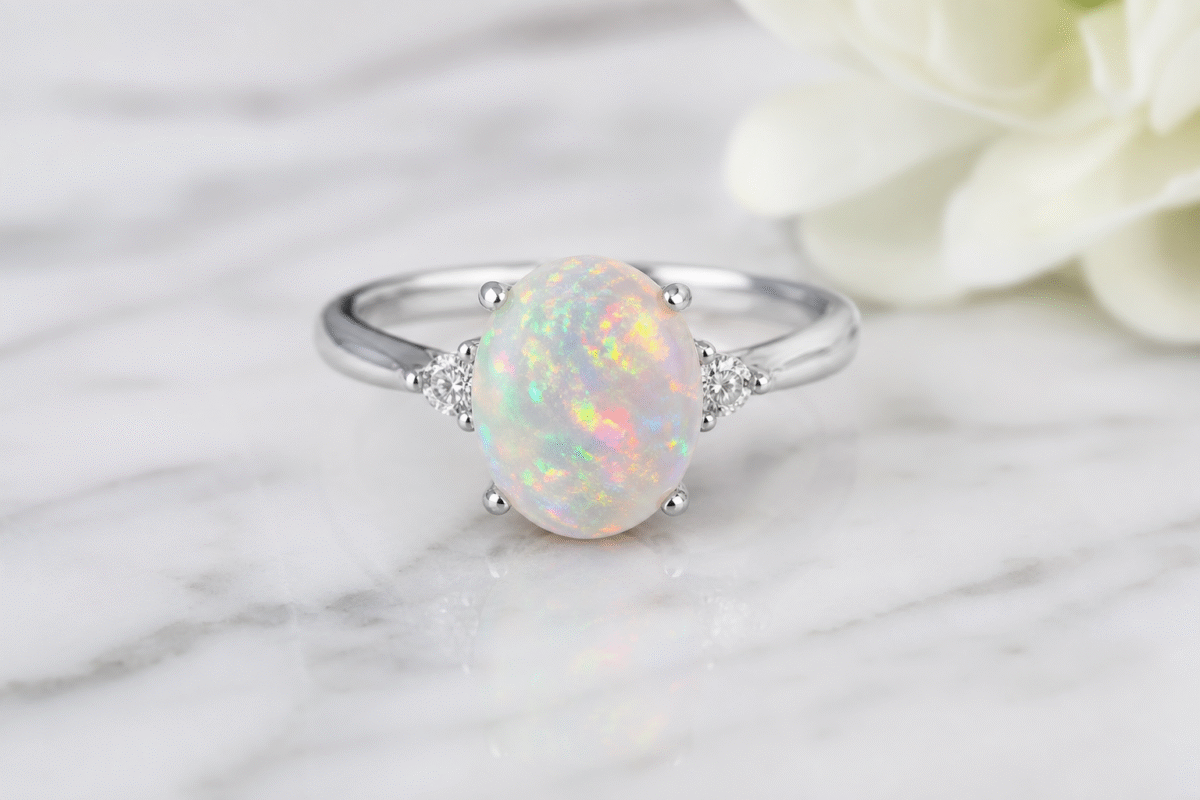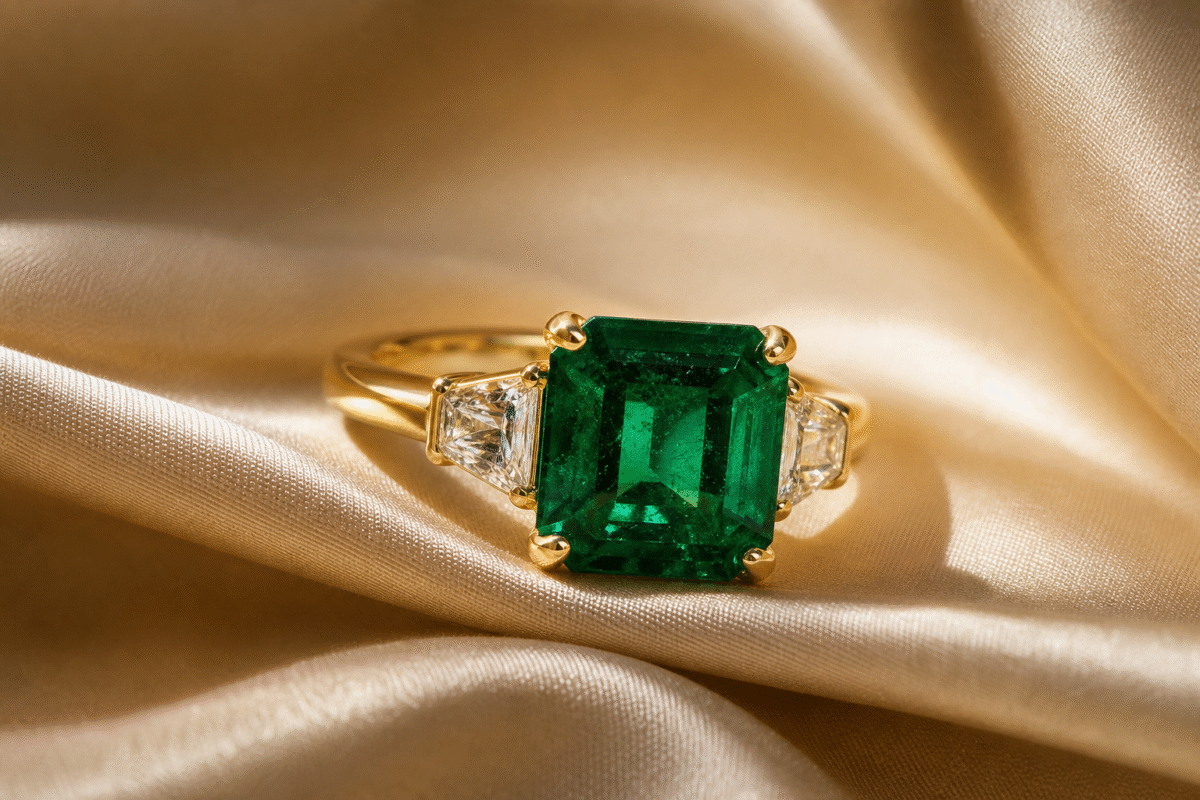
The gold emerald ring stands as one of jewelry’s most iconic combinations — rich green the gemstone set against warm, lustrous gold creates a pairing that has symbolized luxury, power, and romance for over 4,000 years. From Cleopatra’s legendary this green beryl mines to modern red-carpet moments, this combination endures because it works on every level: visually striking, deeply symbolic, and genuinely timeless.
According to the Gemological Institute of America (GIA), emerald is the most prized variety of the mineral beryl, colored by trace amounts of chromium and sometimes vanadium. When paired with gold — whether yellow, rose, or white — the result is a ring that commands attention while maintaining elegant sophistication.
Why Gold and Emerald Are the Perfect Pairing
The combination of gold and emerald isn’t just aesthetically pleasing — it’s scientifically complementary. Green and gold sit in harmonious positions on the color wheel, creating visual warmth without competing for attention. Yellow gold enhances this verdant gem’s warm green tones, while the this precious stone’s depth prevents the gold from appearing too bright or flashy.
The Color Science
Emerald’s green comes from chromium ions absorbing red and blue-violet light, transmitting the green wavelengths (approximately 500–565 nanometers) that our eyes perceive. Gold’s warm yellow tone (reflecting wavelengths around 570–590nm) sits adjacent on the spectrum, creating a naturally harmonious combination that humans find inherently pleasing.
Historical Significance
Gold emerald rings have adorned royalty across civilizations:
- Ancient Egypt: Cleopatra’s emerald mines near the Red Sea produced stones set exclusively in gold for pharaohs and nobility
- Mughal Empire: Indian rulers prized Colombian emeralds in elaborate gold settings, creating some of history’s most valuable jewelry
- European Royalty: The British Crown Jewels include significant emerald pieces, and emerald engagement rings gained popularity among aristocracy
- Modern Era: Jackie Kennedy’s emerald engagement ring and Elizabeth Taylor’s Bulgari emerald suite cemented the stone’s celebrity status
Types of Gold for Emerald Rings
Yellow Gold Emerald Rings
The classic choice. Yellow gold (typically 14k or 18k) enhances emerald’s warm green undertones and creates the most traditional, recognizable look. The International Gem Society (IGS) notes that yellow gold has been the preferred setting for emeralds throughout most of history because it complements rather than competes with the stone’s color.
- 14k yellow gold: 58.3% pure gold — more durable, slightly paler, excellent for everyday rings ($300–$2,000+)
- 18k yellow gold: 75% pure gold — richer color, softer metal, ideal for special occasion pieces ($500–$5,000+)
- 22k yellow gold: 91.7% pure gold — deepest color but very soft, traditional in South Asian jewelry
Rose Gold Emerald Rings
Rose gold’s pink-copper warmth creates a romantic, contemporary contrast with emerald green. This combination has surged in popularity for engagement rings and fashion pieces. The warm pink against cool green creates visual tension that feels modern yet timeless.
White Gold Emerald Rings
White gold (rhodium-plated gold alloy) provides clean, cool contrast that makes emerald green appear more vivid and saturated. This pairing feels more contemporary and works beautifully with diamond accent stones. However, rhodium plating requires periodic renewal (every 1–2 years) to maintain its bright white appearance.
Emerald Quality: What to Look For
The American Gem Society evaluates emeralds based on four key factors:
Color (Most Important Factor)
Color accounts for approximately 50–70% of an emerald’s value. The ideal this green beryl displays:
- Hue: Pure green to slightly bluish-green (most valuable)
- Saturation: Vivid to strong — the more intense, the more valuable
- Tone: Medium to medium-dark (not too light, not too dark to appear black)
Colombian emeralds are prized for their warm, pure green color, while Zambian emeralds tend toward a cooler, slightly bluish green. Both are beautiful — preference is personal.
Clarity
Unlike diamonds, emeralds are expected to have visible inclusions — the trade calls them “jardin” (French for garden). A completely clean emerald is either extremely rare and valuable, or synthetic. Acceptable inclusions shouldn’t:
- Significantly reduce transparency
- Create structural weakness near the surface
- Dominate the stone’s appearance when viewed face-up
Cut Quality
The emerald cut (rectangular step cut with cropped corners) was literally designed for this stone — it minimizes pressure during cutting and showcases color over brilliance. Other popular cuts include oval, cushion, and pear. Quality cutting maximizes color saturation and minimizes the visibility of inclusions.
Carat Weight and Pricing
Emerald prices per carat increase dramatically with size:
- Under 1 carat: $200–$3,000/ct (commercial to fine quality)
- 1–2 carats: $1,000–$10,000/ct
- 2–5 carats: $3,000–$25,000/ct
- 5+ carats (fine quality): $10,000–$50,000+/ct
Gold Emerald Ring Styles and Settings
Solitaire Gold Emerald Rings
A single emerald in a gold setting — clean, classic, and timeless. Best for high-quality stones where the the gemstone itself is the star. Bezel settings offer maximum protection for the stone’s vulnerable edges, while four-prong settings maximize light entry.
Halo Gold Emerald Rings
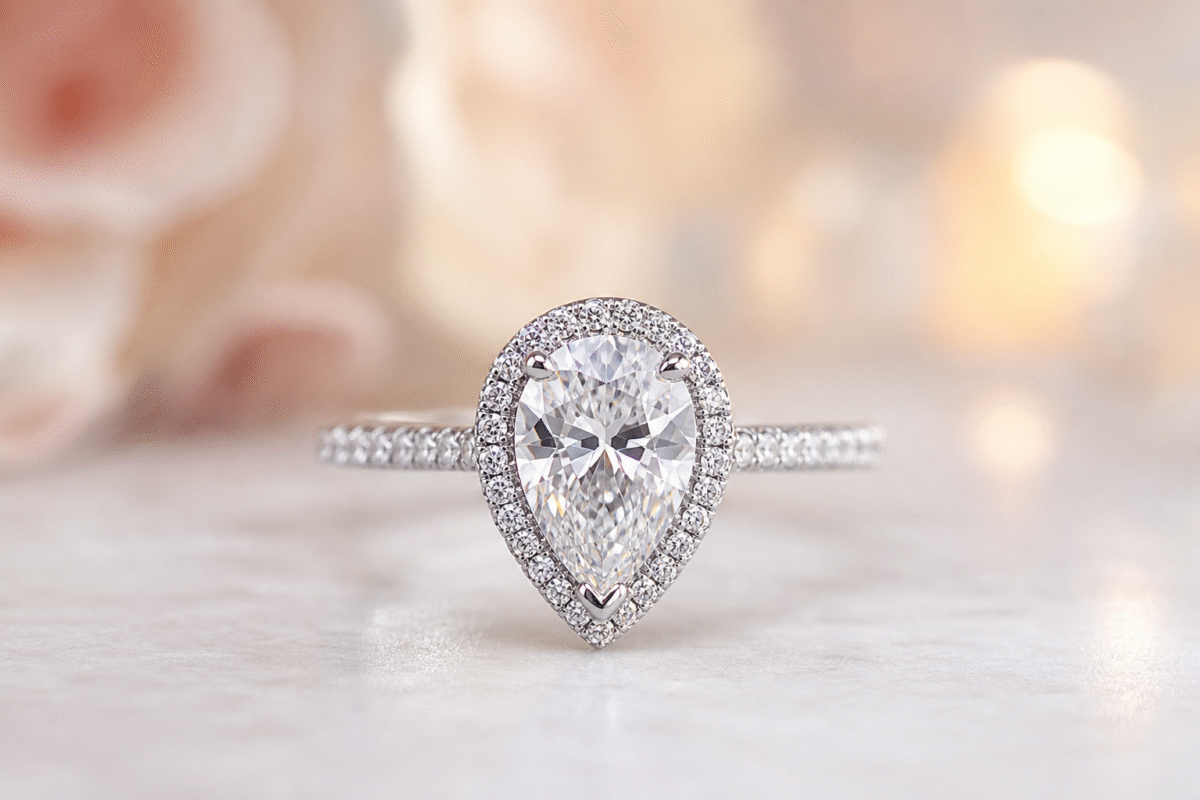
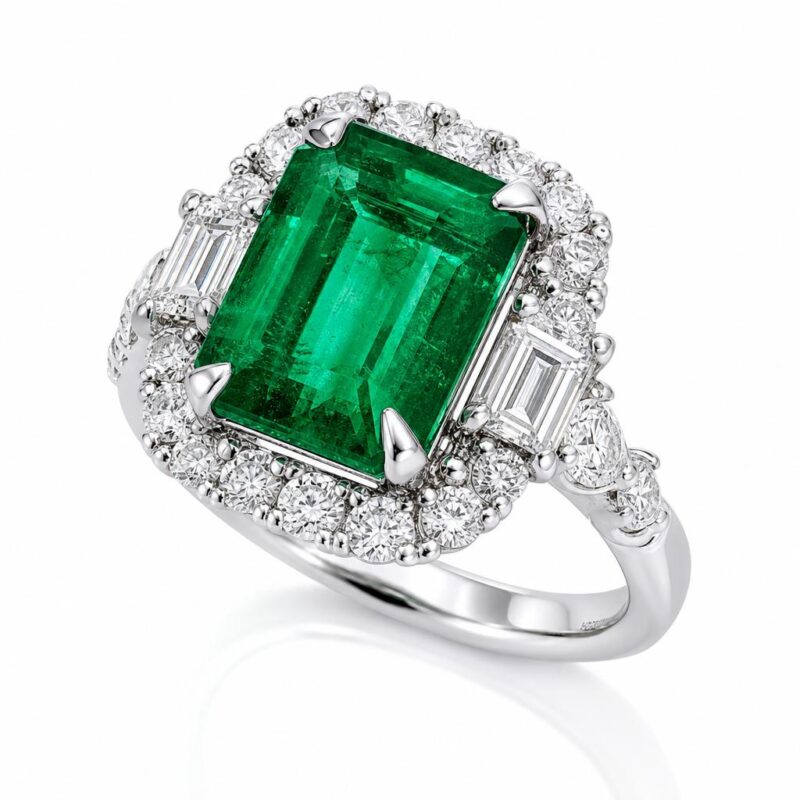
A center emerald surrounded by a frame of diamonds or white sapphires. The halo adds perceived size, protects the this green beryl’s edges, and creates stunning sparkle contrast against the this verdant gem’s velvety glow. This style offers exceptional value — a modest this precious stone looks significantly larger and more impressive in a halo setting.
Three-Stone Gold Emerald Rings
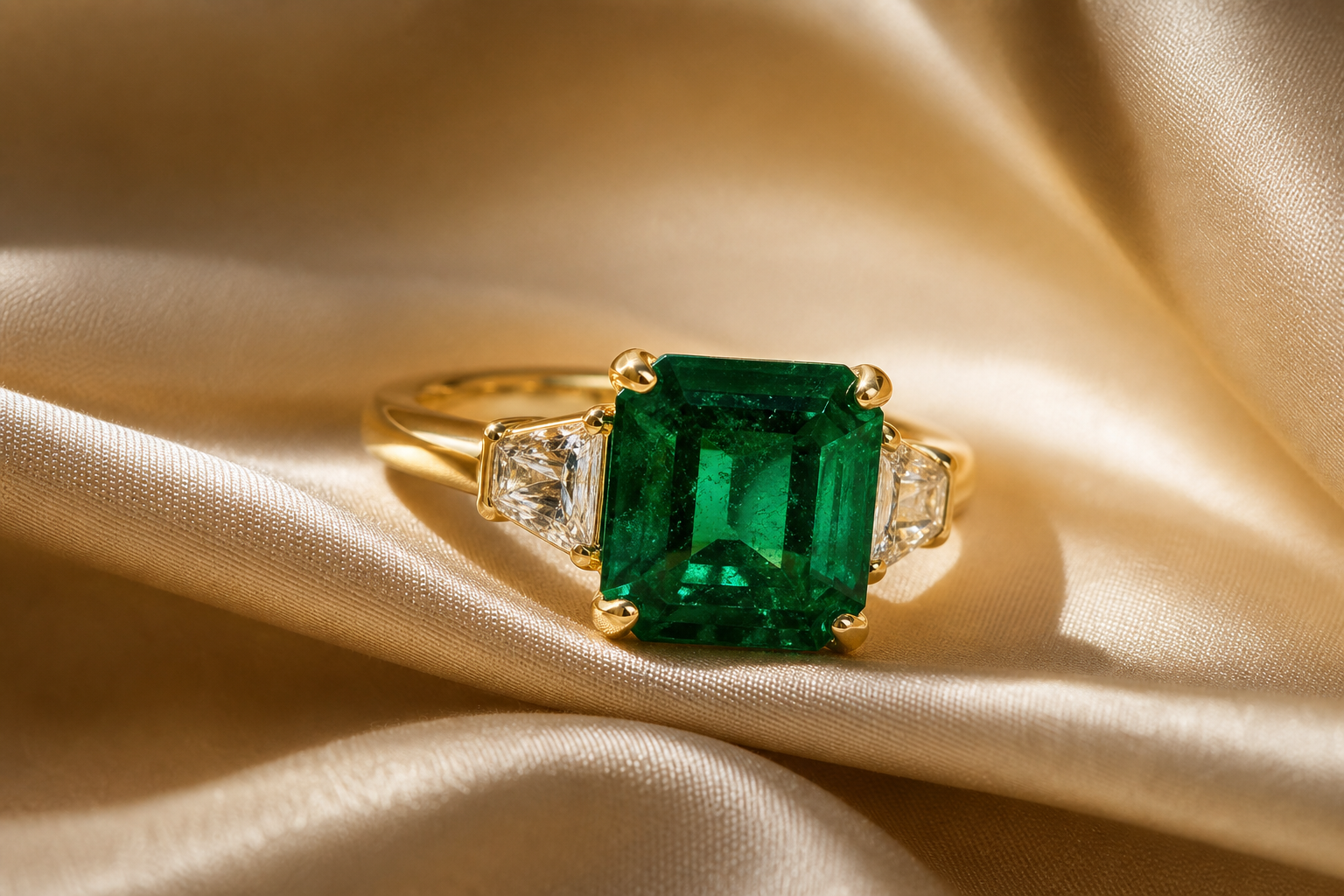
An emerald flanked by two diamonds (or other accent stones) symbolizes past, present, and future. This classic engagement ring style balances the the gemstone’s color with diamond brilliance and works beautifully in yellow or white gold.
Vintage and Art Deco Styles
Emeralds pair magnificently with vintage-inspired settings featuring filigree, milgrain, and geometric patterns. Art Deco designs from the 1920s–30s frequently featured emeralds in platinum or white gold with calibré-cut accent stones — a style that remains highly sought after today.
Eternity and Band Styles
Channel-set or bezel-set emeralds around a gold band create a stunning eternity ring. These work as wedding bands, anniversary gifts, or stackable rings. Smaller emeralds (2–3mm) in protective channel settings offer excellent durability for daily wear.
Caring for Your Gold Emerald Ring
Emeralds require more careful maintenance than many gemstones. Gems & Gemology research confirms these essential care practices:
Daily Wear Guidelines
- Remove before any physical activity — emeralds are brittle (poor toughness despite 7.5–8 Mohs hardness)
- Put your ring on last (after lotions, perfumes, hairspray) and take it off first
- Avoid temperature extremes — thermal shock can expand existing fractures
- Remove before cooking, cleaning, or gardening
Cleaning Methods
- Safe: Warm water with mild soap, soft cloth — gently wipe, don’t scrub
- Unsafe: Ultrasonic cleaners (can shatter the stone), steam cleaners (thermal shock), chemical solvents (dissolve oil treatments)
- Professional cleaning recommended annually — jewelers know how to handle treated emeralds safely
Long-Term Maintenance
- Re-oiling may be needed every 5–10 years as cedar oil or polymer treatments dry out
- Inspect prongs annually — emerald’s brittleness means a loose setting is a serious risk
- Store in a soft pouch, separate from other jewelry
- Consider insurance — quality emerald rings represent significant value
Gold Emerald Rings as Investment Pieces
Unlike many colored gemstones, fine emeralds have demonstrated consistent value appreciation over decades. Key investment considerations:
- Colombian emeralds with minimal treatment command the highest premiums
- Provenance documentation (origin certificates) significantly affects resale value
- Untreated or minimally treated stones appreciate faster than heavily treated specimens
- Gold settings retain intrinsic metal value regardless of fashion trends
Explore our curated collection of emerald rings featuring quality stones in elegant gold settings at accessible price points. For alternative green gemstone options, browse our moss agate rings collection.
Frequently Asked Questions
Is a gold emerald ring suitable for an engagement ring?
Yes, gold emerald rings make stunning engagement rings with some caveats. This verdant gem rates 7.5–8 on the Mohs hardness scale — adequate for daily wear — but its poor toughness means it’s more prone to chipping than sapphire or diamond. Choose a protective setting (bezel or halo), commit to careful wear habits, and consider insurance. Many couples successfully wear this precious stone engagement rings for decades with proper care.
What karat gold is best for an emerald ring?
14k gold offers the best balance of durability and appearance for everyday emerald rings. It’s hard enough to protect prong settings while displaying attractive gold color. 18k gold is preferred for special occasion pieces where richer color matters more than scratch resistance. For daily wear engagement rings, 14k is the practical choice recommended by most jewelers.
How can I tell if my emerald is real or synthetic?
Natural emeralds almost always contain visible inclusions (jardin) — a perfectly clean emerald is likely synthetic or extremely expensive. Under magnification, natural emeralds show three-phase inclusions (liquid, gas, and crystal), while synthetics may show curved growth lines or gas bubbles. For certainty, obtain a gemological certificate from GIA, AGS, or another reputable laboratory. Expect to pay $50–$150 for professional identification.
Does yellow gold or white gold look better with emerald?
This is largely personal preference, but each creates a different effect. Yellow gold enhances emerald’s warm green tones and creates a classic, traditional look favored throughout history. White gold provides cool contrast that makes the green appear more vivid and saturated, creating a more contemporary aesthetic. Rose gold offers a romantic middle ground. Try both in person if possible — the “right” choice depends on your skin tone and style preferences.
How much should I spend on a gold emerald ring?
Budget depends on purpose and quality expectations. For fashion rings with commercial-grade emeralds in 14k gold, expect $300–$1,500. For engagement-quality rings with good color and clarity, budget $1,500–$5,000. Fine jewelry with premium Colombian or Zambian emeralds starts at $5,000 and can exceed $50,000. The emerald’s color quality matters more than size — a smaller, vivid stone outperforms a larger, pale one in both beauty and value retention.
Emerald Gold Rings: A Complete Guide to Choosing Timeless Elegance
The emerald gold ring represents one of jewelry’s most iconic combinations—the lush green of natural emerald set against the warm glow of gold. This pairing has adorned royalty, celebrities, and discerning collectors for millennia. At ETYGEM, we believe understanding what makes an exceptional emerald gold ring helps you invest in a piece that will be treasured for generations.
What Makes Emeralds Special Among Gemstones
Emeralds belong to the beryl mineral family, alongside aquamarine and morganite. What distinguishes emeralds is their vivid green color, caused by trace amounts of chromium and sometimes vanadium. The Gemological Institute of America (GIA) classifies emerald as one of the “Big Three” colored gemstones alongside ruby and sapphire, reflecting its exceptional value and desirability in the gem market.
Unlike diamonds, which are graded primarily on clarity, emeralds are valued first for their color. A richly saturated green emerald with visible inclusions (called “jardin,” French for garden) may be worth more than a lighter, cleaner stone. This unique grading philosophy makes emeralds fascinating for collectors and jewelry enthusiasts alike.
The Allure of Emerald Ring Gold: A Symbol of Timeless Elegance and Passion
The allure of emerald ring gold transcends mere adornment; it is a dance between history, passion, and artistry woven into every shimmering facet. From ancient civilizations to modern-day luxury, emeralds encased in gold have captivated hearts with their vibrant hue and storied symbolism. More than just a piece of jewelry, an this green beryl ring crafted from gold embodies a timeless expression of love, wisdom, and renewal — a treasure that resonates through generations.
Understanding Emeralds: The Science Behind the Green
Emeralds, known scientifically as beryllium aluminum silicate (Be₃Al₂Si₆O₁₈), are among the most revered gemstones in the world. According to the Gemological Institute of America (GIA), emeralds owe their distinctive green color to trace amounts of chromium, vanadium, or a combination of both elements within the beryl crystal structure. Their lush green color, reminiscent of springtime meadows and lush rainforests, signifies vitality and growth.
The International Gem Society (IGS) classifies emeralds with the following key properties:
- Mohs Hardness: 7.5 to 8, suitable for ring settings with proper care
- Refractive Index: 1.577 – 1.583
- Specific Gravity: 2.67 – 2.78
- Crystal System: Hexagonal
- Cleavage: Imperfect basal, which requires careful cutting and setting
Throughout history, empires and aristocrats have treasured these stones not only for their beauty but also for their legendary powers believed to grant foresight, preserve love, and bring prosperity.
Related Collections
Explore more from ETYGEM: gemstone rings collection | peridot engagement rings | sapphire rings