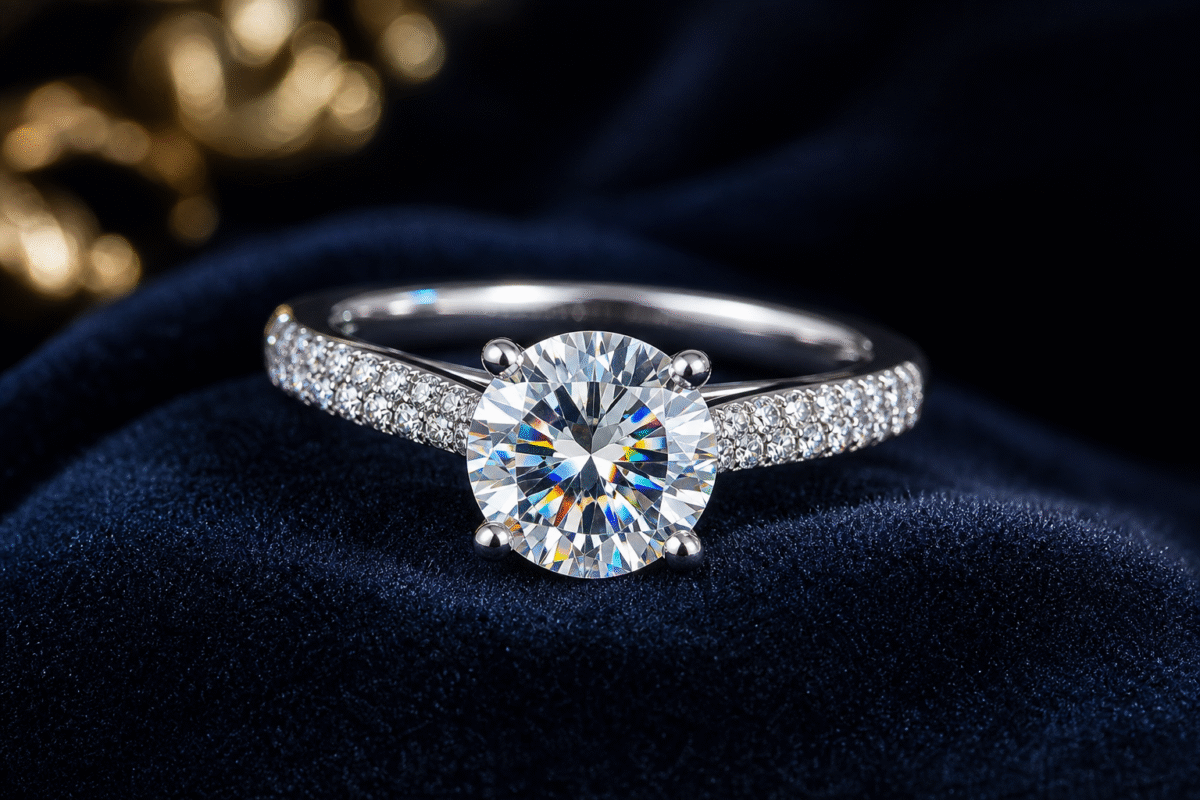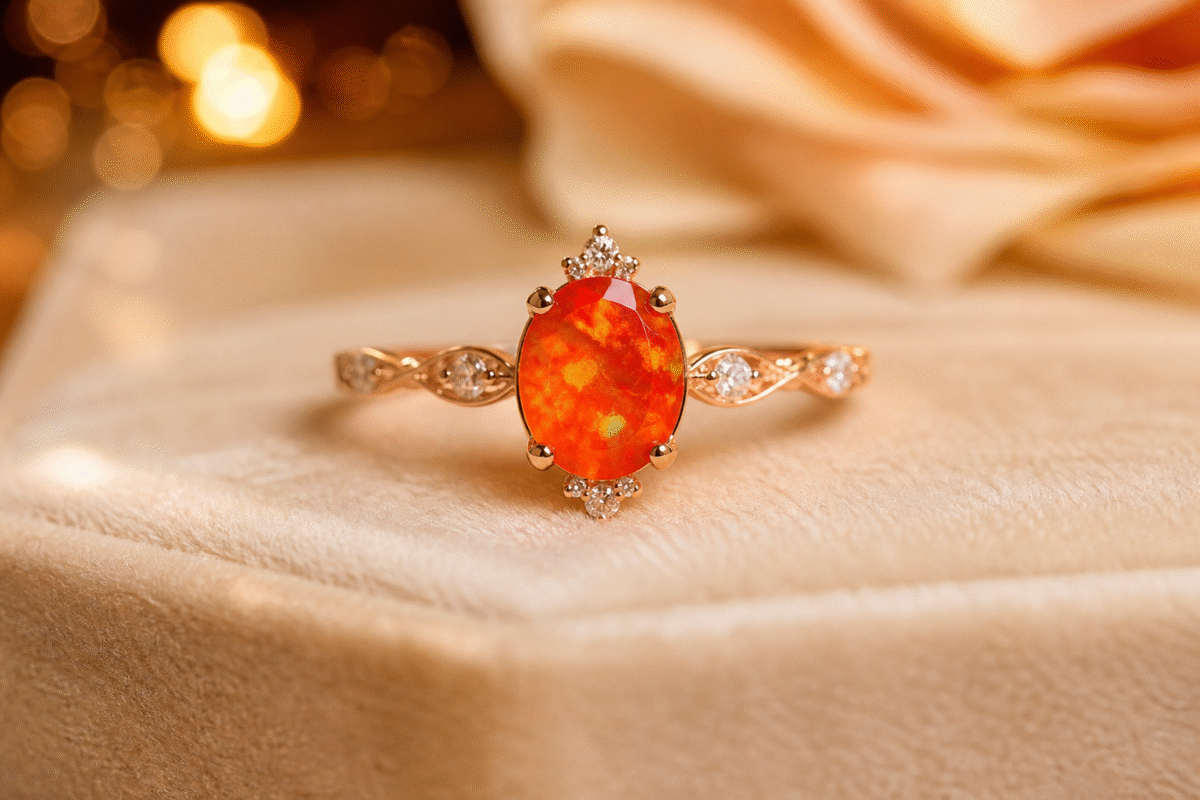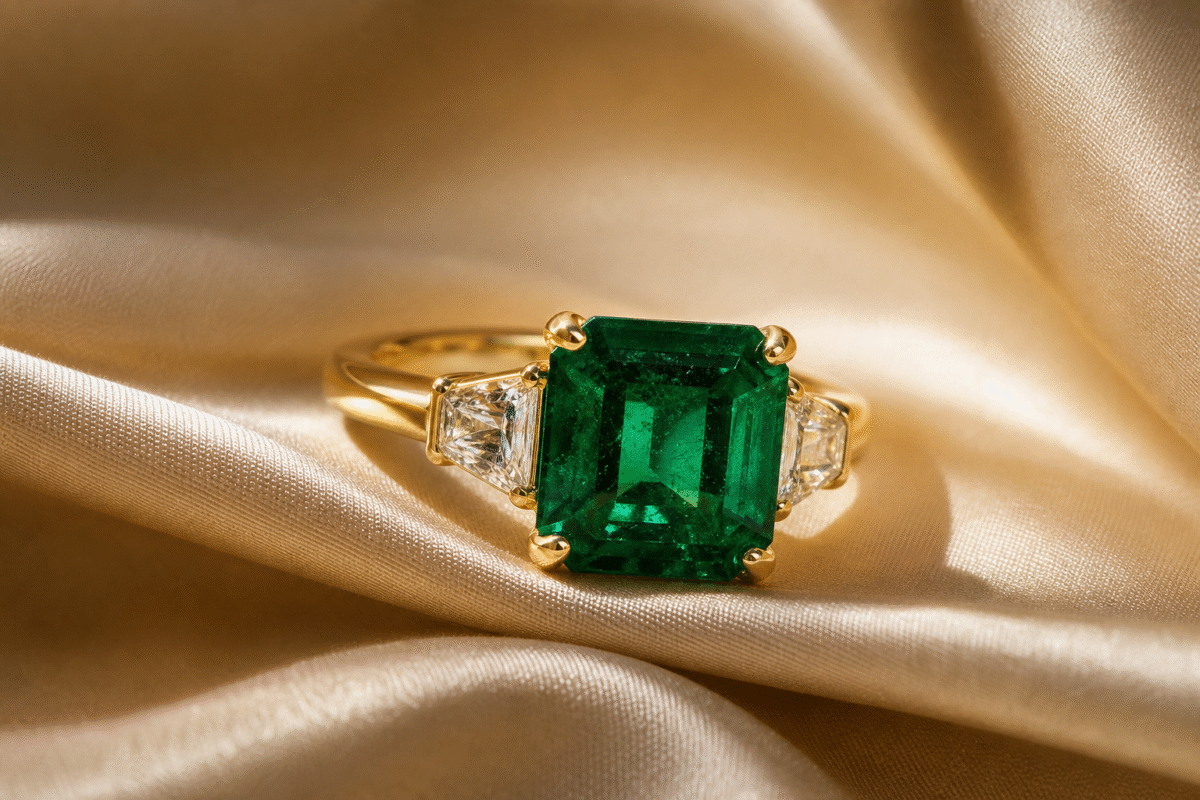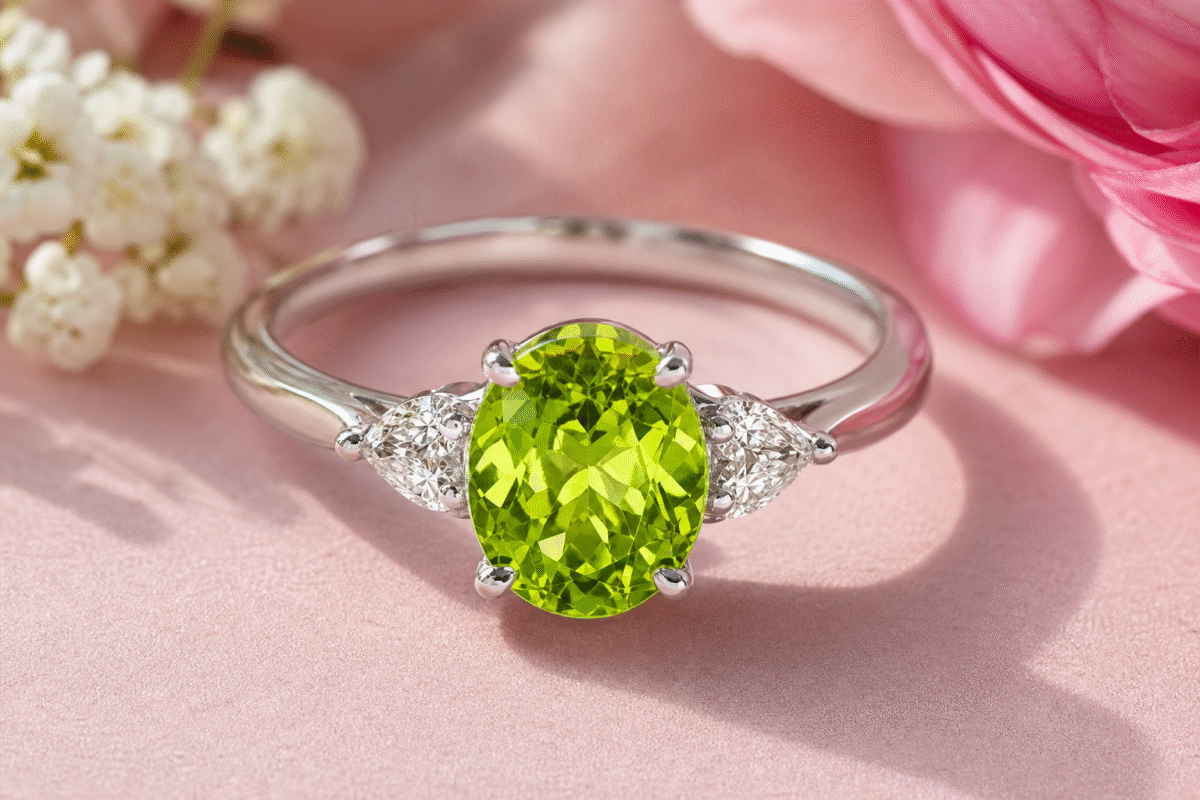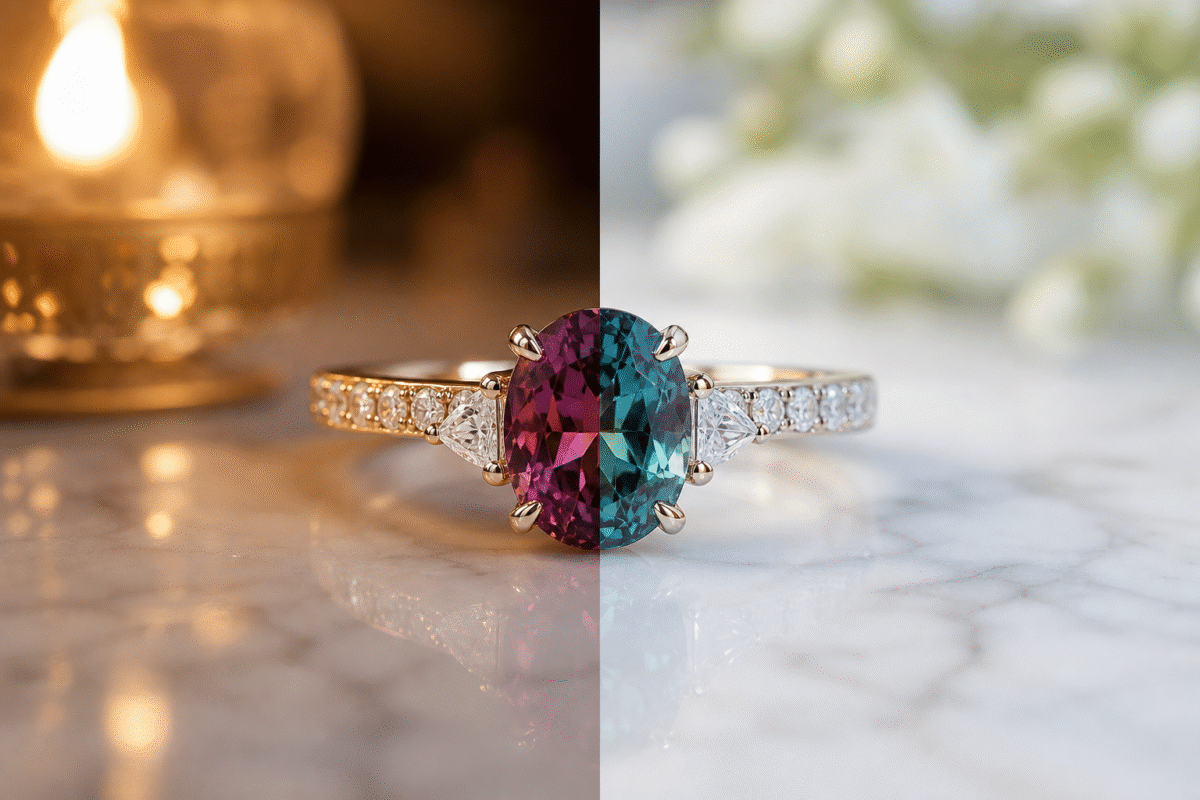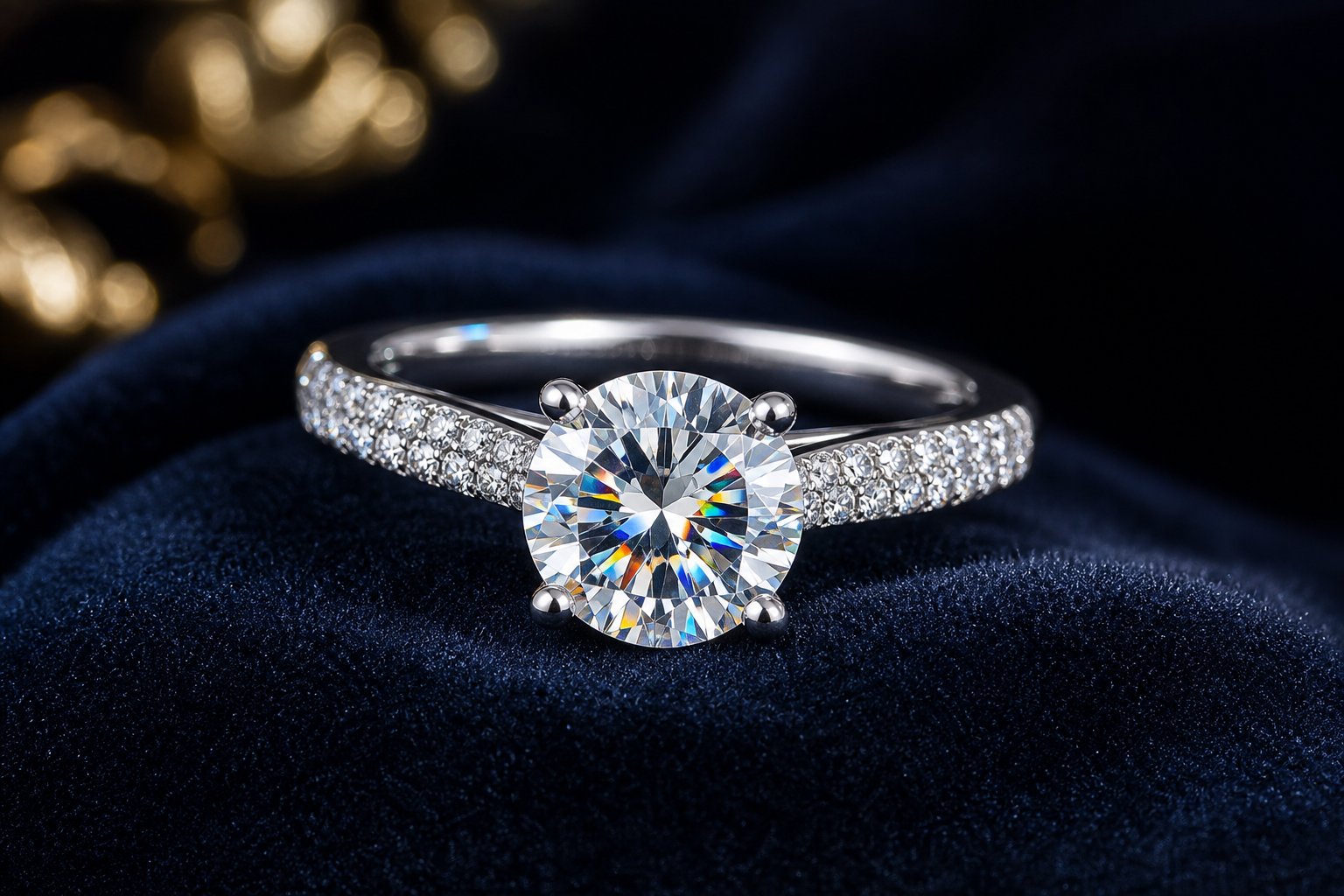
Imagine a gemstone that captures the warmth of a gentle sunrise, the blush of a delicate rose petal, and the captivating allure of a soft, silken glow. That’s the enchantment of morganite rings—jewelry pieces that have steadily risen in popularity thanks to their mesmerizing hue, impressive clarity, and the emotional resonance they carry. Whether you’re searching for a symbol of romance or simply a piece to elevate your jewelry collection, morganite rings promise to deliver sophistication wrapped in a gentle, inviting palette.
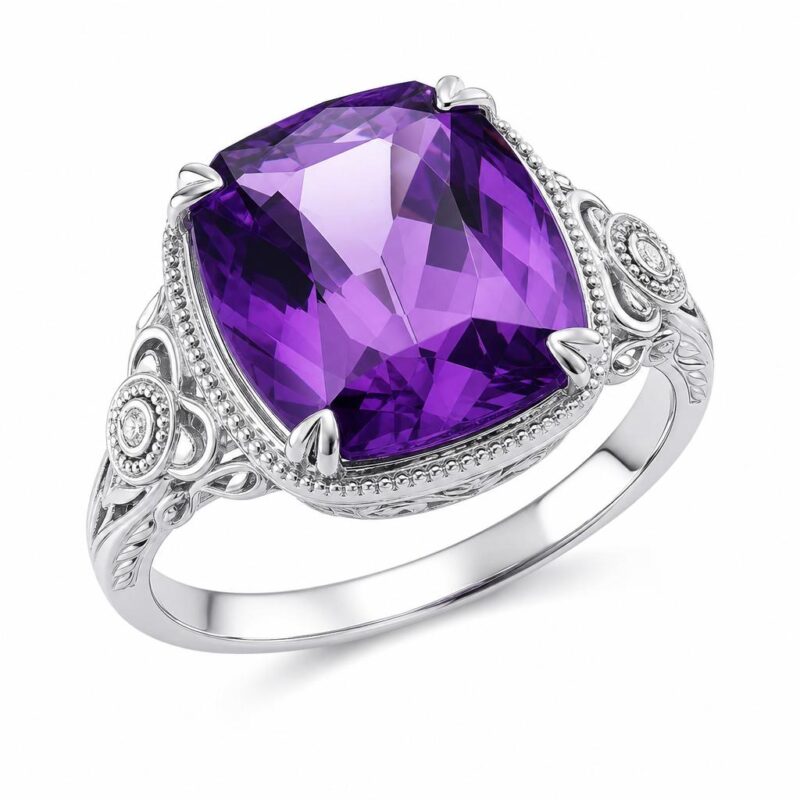
A Brief History and Birth of a Gemstone Star Morganite, a variety of the mineral beryl, was first discovered in Madagascar in the early 20th century. Its name pays homage to the famed financier and gem enthusiast J.P. Morgan, whose enthusiasm for fine gemstones helped popularize this particular pink variety of beryl. Unlike other gemstones that have long-standing royal or historical significance, morganite’s story is more modern, yet it has already carved out a significant niche within contemporary jewelry.
Key to its appeal is its distinctive color. Morganite’s hues range from a delicate peach-pink to a richer blush, often resembling the soft glow of a sunset. Its gentle, warm shades are what set it apart from traditional diamonds or sapphires, offering a more romantic, approachable alternative for those who crave something both eye-catching and intimate.
Why Morganite is a Perfect Choice for Engagement and Promise Rings In recent years, morganite has surged in popularity as an alternative to the classic diamond engagement ring. What makes it especially appealing? First, its soft, romantic coloration symbolizes unconditional love and affection in a way that’s both contemporary and timeless. It’s often seen as a representation of a gentle, nurturing love — a perfect emblem for everlasting commitment.
Unlike diamonds, which are often associated with tradition and opulence, morganite is more understated—yet it radiates an undeniable inner glow. Its natural transparency and brilliance can rival that of diamonds, especially when cut precisely for maximum sparkle.
The Qualities That Make Morganite a Coveted Gemstone Morganite is prized for several intrinsic qualities:
Color: The defining feature is its captivating pastel pink hue, which can vary from very light blush to more vivid shades. This gentle coloration makes it appealing across age groups and style preferences. Clarity: Typically, morganite gemstones are quite pure, with few inclusions. High-quality stones are almost eye-clean, adding to their allure. Hardness: On the Mohs scale, morganite scores around 7.5 to 8, making it a durable choice suitable for everyday wear, particularly in well-designed, protective settings. Brilliance: With proper cutting, morganite exhibits excellent brilliance and fire, rivaling more traditional gemstones. The cut is critical to showcase its internal fire and external sparkle.
How to Choose the Perfect Morganite Ring When selecting a morganite ring, consider the following elements:
Color: Decide between softer pastel tones or more vibrant, saturated pinks. Your personal preference and skin tone can guide your choice. Cut: Round, cushion, and oval cuts are popular options, but pear and radiant cuts offer a contemporary twist. The cut influences how much light the stone captures and reflects. Setting: Gold, rose gold, platinum, or white gold all complement morganite differently. Rose gold enhances the pink hues, creating a warm, romantic glow. Size: Morganite rings come in a variety of sizes, from solitaire larger stones to delicate accents. Bigger stones make a bold statement; smaller stones or halos add subtle elegance.
Styling Morganite Rings for Every Occasion Morganite’s versatility makes it suitable for various styles and occasions. For an everyday look, a solitaire morganite ring in a simple setting exudes effortless elegance. For special occasions, pairing morganite with diamonds or other accent gemstones provides added luxury and sparkle.
When pairing with other jewelry, consider coordinating metals and complementary tones. Rose gold rings with morganite can beautifully match warm skin tones and evoke a romantic aura. Meanwhile, white gold settings create a modern, clean aesthetic that highlights the gem’s delicate color.
Caring for Your Morganite Ring To ensure your morganite remains radiant, some basic care tips are essential:
Avoid exposure to harsh chemicals or sudden temperature changes. Clean your morganite with warm, soapy water and a soft brush. Store your ring separately to prevent scratches from harder gemstones or metals. Have it checked regularly by a jeweler to maintain the setting.
The Emotional and Cultural Significance of Morganite Beyond its beauty, morganite carries a meaning rooted in love, compassion, and emotional healing. Many believe it promotes inner peace, reduces stress, and enhances feelings of love and divine connection. As a gift, it’s a thoughtful gesture symbolizing gentle devotion and warmth—perfect for anniversaries, proposals, or simply to show someone you care.
Related Articles
Continue reading for more gemstone guides:
- The Ultimate Guide to Opal Rings: Types, Colors, and Meaning
- Moss Agate Rings: Nature’s Beautiful Gemstone for Everyday Elegance
- Sapphire vs Ruby vs Emerald: Which Gemstone Ring Is Right for You?
- How to Care for Your Gemstone Jewelry: Expert Tips for Long-Lasting Beauty
What Are Opal Rings?
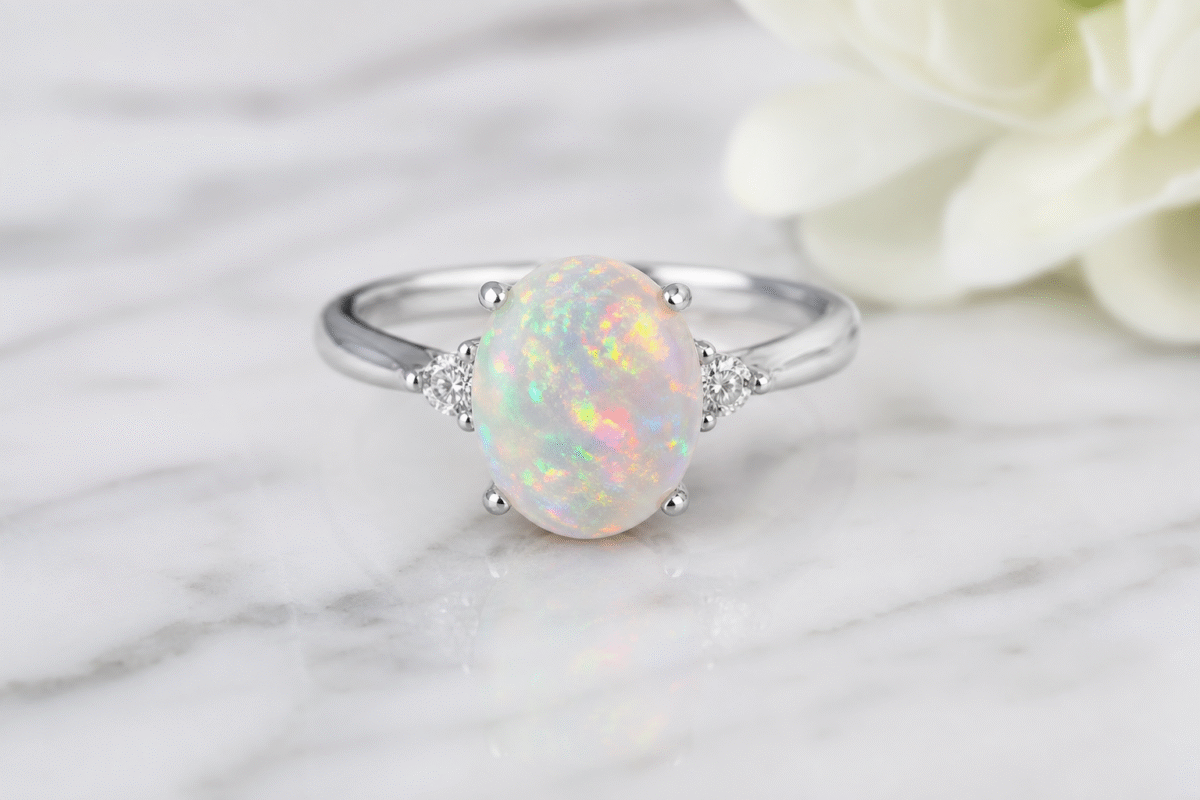
Opal rings are among the most visually captivating gemstone jewelry in the world. Known as the “gem of gems” since Roman times, opals are formed from silica gel that seeps into cracks and fissures in rocks, eventually hardening into this remarkable mineraloid. Unlike most gemstones, opals are not crystalline structures—they’re composed of tiny silica spheres that diffract light, creating the famous “play of color” that makes each opal unique.
The value of an opal ring depends on several factors: the intensity and range of its color play, the background color (black and dark body tones command higher prices), the pattern displayed (harlequin and pinfire are highly sought after), and the absence of cracks or crazing. According to the Gemological Institute of America (GIA), the most valuable opals display a full spectrum of colors with intense saturation.
Opals come from several sources worldwide. Ethiopia produces Welo opals known for their large size and dramatic color play, while Australia remains the source of the finest precious opals, particularly from the Lightning Ridge mine where black opals are mined. Mexico is famous for its fire opals, which range from honey yellow to vibrant orange-red.
Types of Opal for Rings
Black Opal: The rarest and most valuable type, primarily from Lightning Ridge, Australia. Its dark body tone makes the color play appear more vivid and saturated.
White/Freeze Opal: From Australia’s Etheridge Creek, these have a white or pale body tone with exceptional color play, resembling a freeze-frame of colors.
Fire Opal: From Mexico, these translucent stones range from yellow to red, some displaying no color play but prized for their warm body color.
Crystal Opal: Transparent to translucent with excellent color visibility through the stone, valued for both beauty and durability in rings.
How to Care for Your Opal Ring
Opals are relatively soft stones (5.5-6.5 on the Mohs scale) and contain water (3-10%), making them delicate compared to diamonds or sapphires. Proper care ensures your opal ring remains beautiful for generations.
Avoid extreme temperature changes — sudden heat or cold can cause cracking. Remove your opal ring before swimming — chlorine damages the stone’s surface. Store separately from harder gems to prevent scratches. Clean with a soft, damp cloth — never use ultrasonic cleaners or harsh chemicals.
The International Gemological Society (IGS) recommends rehydrating your opal occasionally if you live in a dry climate. Place the stone near a water source (not directly in water) for a few hours every few months, then wipe gently with a soft cloth.
Why Choose an Opal Ring?
Opals symbolize hope, purity, and truth. As the October birthstone, they carry deep cultural significance across many traditions. No two opals are alike, making each opal ring a truly unique piece of jewelry. Many jewelry experts recommend opal rings for those who want something truly distinctive—your opal will be one-of-a-kind, just like the person wearing it.
At ETYGEM, we source certified natural opals from trusted mines worldwide, ensuring every ring meets the highest quality standards. Our collection includes everything from affordable everyday opal rings to investment-grade precious opal pieces.
Opal Ring Settings
For ring wear, certain settings protect opals better than others. Halo settings surround the opal with smaller diamonds or gemstones, providing extra protection. Bezel settings encircle the stone with metal, offering maximum security. Three-stone settings with opal as the center stone create a beautiful combination with complementary side stones. Consider the metal choice too — yellow gold enhances warm opal colors, while white gold or platinum complements cooler tones.
Find Your Perfect Ring at ETYGEM
Ready to find the ring of your dreams? Our curated collection features hand-selected gemstones, expert craftsmanship, and competitive pricing. Browse our {cat} collection and discover the perfect piece that speaks to you.
Every ETYGEM purchase includes: certification of authenticity, lifetime warranty on the setting, free resizing, and 30-day hassle-free returns. Shop with confidence knowing you’re getting exceptional value and quality.
Frequently Asked Questions
What is the best gemstone for an engagement ring?
While diamonds remain the most popular choice, sapphires, moissanite, and morganite are excellent alternatives that offer similar durability at lower cost. The best choice depends on your personal style, budget, and values. For everyday durability, sapphires (9 Mohs) and moissanite (9.25 Mohs) are top choices alongside diamonds.
How should I care for my gemstone ring?
Clean your ring monthly with warm soapy water and a soft brush. Remove before swimming, cleaning, or heavy physical work. Have it professionally inspected every 6-12 months. Store separately from other jewelry to prevent scratches.
Are lab-created or natural gemstones better?
Both have advantages. Natural gemstones are formed over millions of years and have unique characteristics. Lab-created stones offer identical chemical composition at a lower price. At ETYGEM, we offer both options so you can choose what aligns with your values and budget.
What metal is best for a gemstone ring?
Platinum and white gold complement cool-toned stones like sapphires and diamonds. Yellow gold enhances warm stones like morganite and citrine. Rose gold creates beautiful contrast with both cool and warm stones. The best choice depends on your skin tone and personal style.
Does ETYGEM offer warranties and returns?
Yes! All ETYGEM rings come with a lifetime warranty on the setting, complimentary resizing, and a 30-day hassle-free return policy. We also provide certification of authenticity for all gemstones, ensuring you receive exactly what you paid for.
Frequently Asked Questions
Q: What is morganite and why is it popular for wedding rings?
A: Morganite is a pink to peach-pink variety of beryl (the same family as emerald). It gained popularity after being named after banker J.P. Morgan in 1911. Its soft, romantic colors and excellent durability (7.5-8 Mohs) make it a favorite for wedding rings..
Q: How durable is morganite for everyday wedding ring wear?
A: Morganite ranks 7.5-8 on the Mohs scale, making it suitable for daily wear. While not as hard as sapphire or diamond, it is durable enough for a wedding ring with normal care. A bezel or halo setting provides extra protection for the stone..
Q: What colors does morganite come in?
A: Morganite ranges from pale pink to salmon pink, peach, and light orange-pink. The most prized colors are vivid pink and peach. Color is caused by trace amounts of manganese in the beryl crystal structure. Heat treatment is commonly used to enhance the color..
Q: How much does a morganite wedding ring cost?
A: Morganite wedding rings typically cost $500-$3,000 depending on stone size, quality, and setting. A 1-2 carat morganite in a simple gold setting costs $500-$1,500, while larger stones in platinum settings can reach $2,000-$3,000+..