part 1:
The Beguiling Mystique of Emerald: A Journey into Nature’s Green Treasure
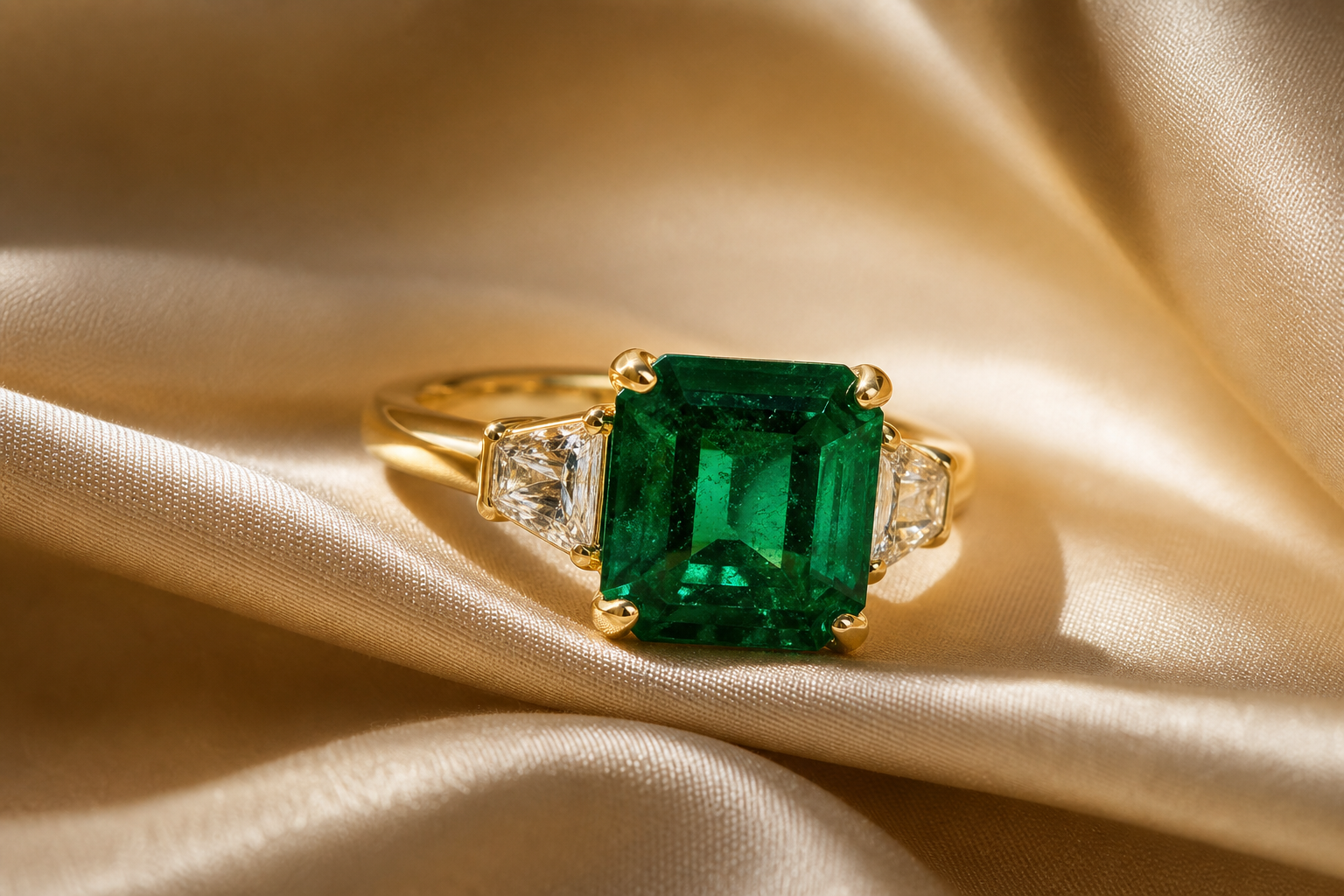
Few gemstones evoke the image of lush forests, revitalizing spring months, and vibrant life quite like emerald. Known as the birthstone for May, emerald’s deep, verdant hue encapsulates nature’s renewed vitality and eternal growth. Its allure has captured civilizations for millennia—it’s a gemstone that whispers stories of kings, queens, explorers, and lovers alike.
A Brief History of Emerald
The story of emeralds stretches back thousands of years. Ancient Egypt regarded these gemstones as symbols of fertility and rebirth. Cleopatra herself was famously enamored with emeralds, often commissioning them into her regal collections. The ancient Incas and Aztecs revered emeralds, believing they were imbued with divine power and used them in sacred rituals.
In Medieval Europe, emeralds were believed to possess healing properties and serve as talismans against evil. The stone was thought to foster love and protect against enchantments, which is part of why they’ve remained so symbolic in romantic lore. Throughout history, the allure of emeralds has persisted, often associated with luxury, nobility, and spiritual harmony.
The Meaning Beneath the Green
Emerald’s vibrant green is more than just a pleasing aesthetic—it carries profound symbolism. Green, often associated with balance, harmony, and renewal, amplifies the gemstone’s representation of growth and vitality. It’s connected with the heart chakra, believed in many spiritual traditions to promote emotional healing and compassion.
In heraldry and traditional folklore, emeralds serve as symbols of fertility, divine insight, and eternal youth. Some ancient civilizations thought the emerald could foretell the future or reveal truth when held up to the light. The stone’s vivid hue is seen as a reflection of lush landscapes and blooming life, representing hope and abundance.
Why May’s Birthstone?
May’s birthstone is considered to be emeralds, a generous gift from Mother Nature at the onset of summer. This timeframe aligns with the blooming of flowers, the greening of trees—an ideal reflection of renewal and vitality. For those born in May, emeralds complement their personalities—thoughtful, nurturing, and full of vitality.
The significance of birthstones is rooted in traditions that date back thousands of years. Each gemstone’s associated meanings and protections were believed to bring good fortune, health, and happiness to their wearers. For May babies, donning an emerald isn’t just an aesthetic choice; it’s a sign of identity and connection to a rich cultural tapestry.
Qualities and Characteristics of Emeralds
Emeralds are a variety of the mineral beryl, with a characteristic green hue caused by trace amounts of chromium and vanadium. High-quality emeralds exhibit vivid, pure green shades—neither too dark nor too pale. With a typical hardness of 7.5 to 8 on the Mohs scale, emeralds are durable but require careful handling due to often included internal characteristics known as “jardin,” which translates to “garden” in French.
Emeralds are rare and often come with natural imperfections—these inclusions are part of their charm, making each stone unique. The gemstone’s cut enhances its transparency while allowing light to play within the stone, accentuating its luminous glow.
The Art of Emerald Jewelry
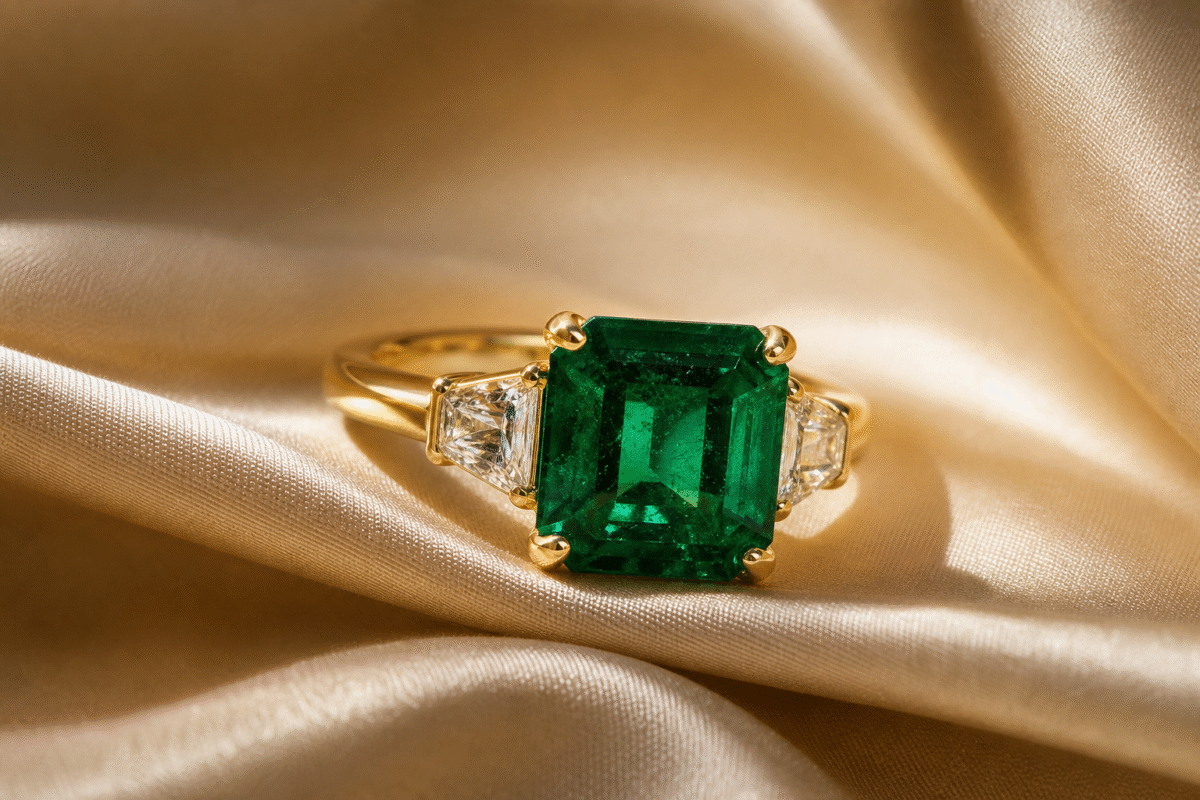
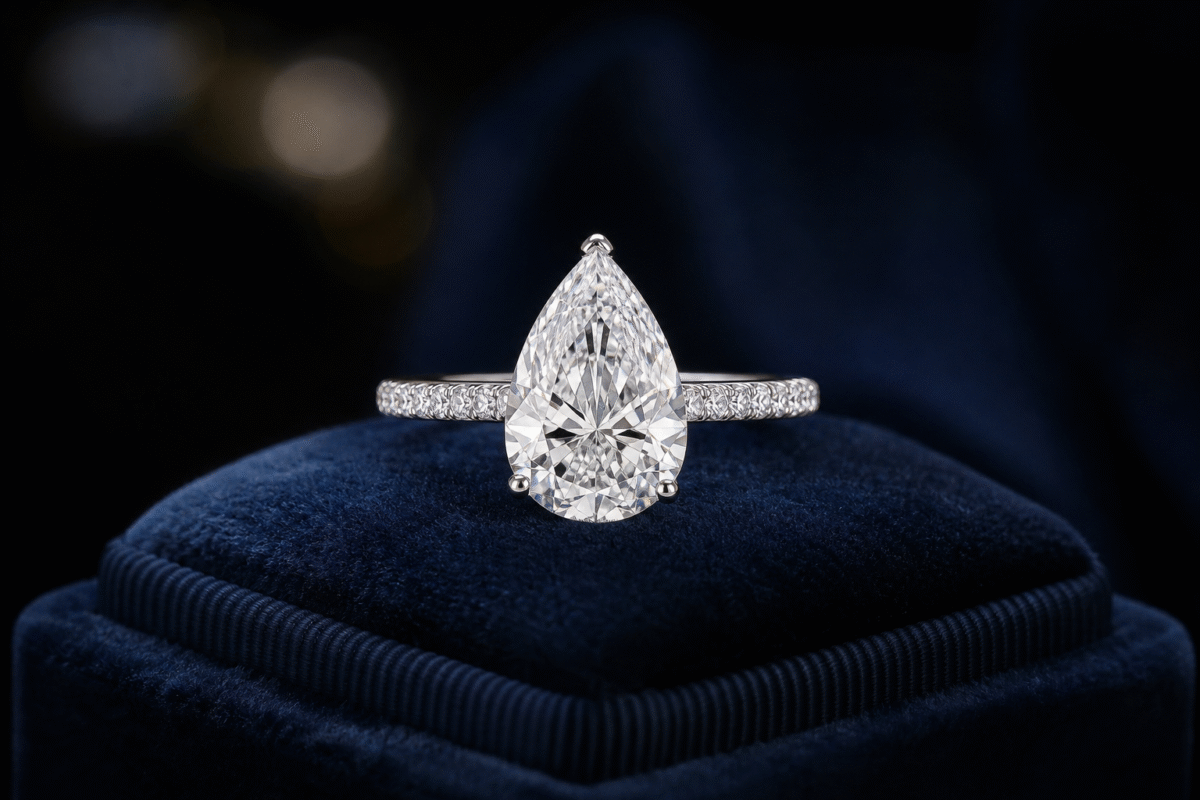
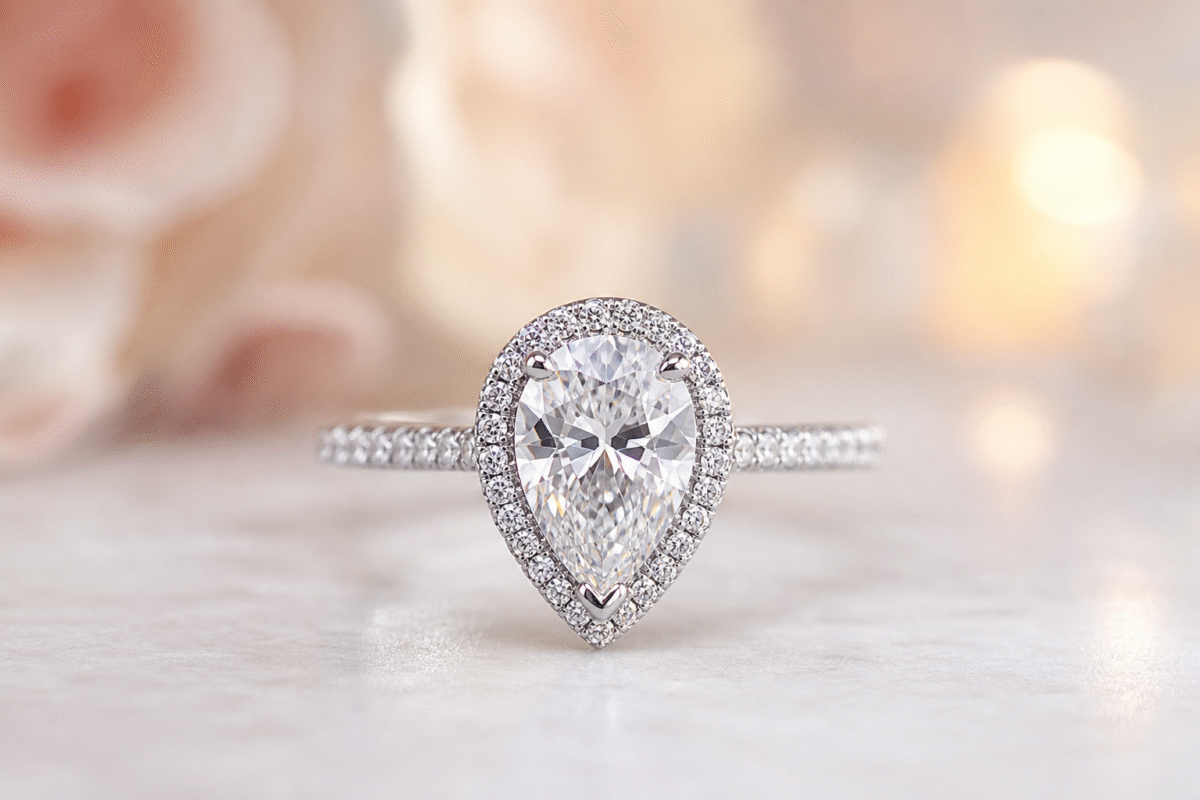
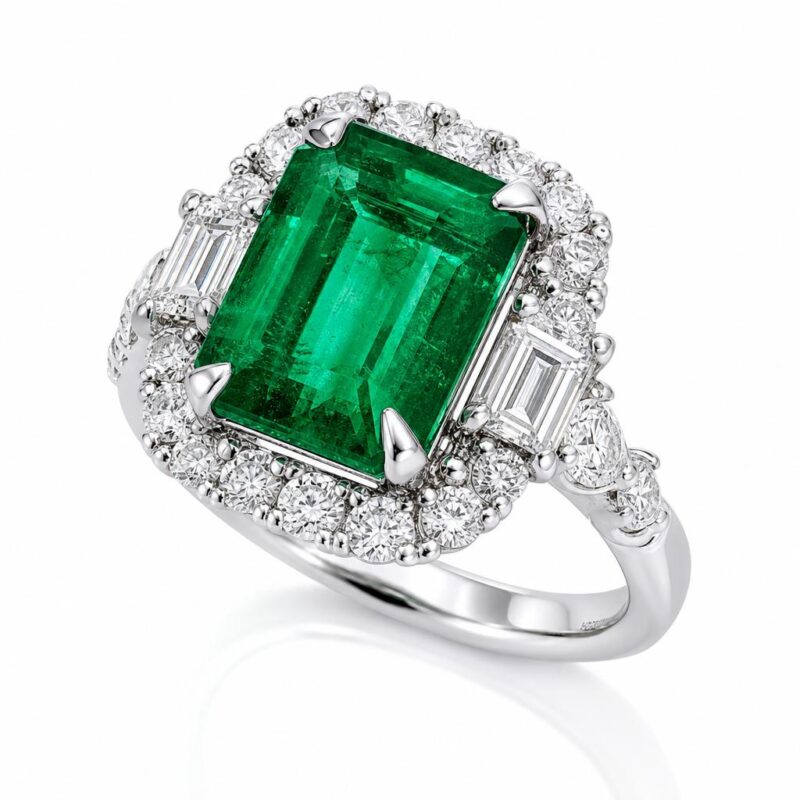
Emeralds have long adorned royalty and aristocrats, reflecting status and style. Their rich green hue pairs beautifully with precious metals like platinum and yellow gold. Common cuts include the classic emerald cut, which enhances the gemstone’s transparency and showcases its vibrant color, and the oval or pear cuts, which maximize brilliance.
Because emeralds are prone to inclusions, jewelers often reinforce them with lead glass or use delicate settings to protect their corners. When worn, emerald jewelry becomes not just adornment but a statement of elegance and tradition. Engagement rings, pendants, earrings, and bracelets featuring emeralds symbolize love, hope, and renewal.
Caring for Your Emeralds
Despite their beauty, emeralds require gentle care. Avoid harsh chemicals or prolonged exposure to heat. Clean emerald jewelry with warm, soapy water and a soft brush—avoiding ultrasonic cleaners which can sometimes damage inclusions or weaken the stone. Storing emeralds separately prevents scratching and keeps them looking their best for generations.
The allure of emerald is more than surface beauty—it’s a reflection of history, symbolism, and natural artistry. As the birthstone for May, emerald continues to inspire and enchant, blending the ancient with the contemporary in a dance of color and meaning.
Emerald as a Symbol of Love, Luck, and Liberation
Continuing our exploration of emerald, we delve into its multifaceted symbolism, cultural significance across the globe, and how this captivating stone influences modern life.
Emeralds in Cultural Lore
Across different cultures, emeralds have held various sacred meanings. In India, they are considered a symbol of love and compassion, often associated with the goddess Lakshmi, goddess of wealth and prosperity. The ancient Romans believed emeralds could improve eyesight and were sacred to Venus, the goddess of love.
In Islamic tradition, emeralds are associated with paradise and divine beauty. The Prophet Muhammad is said to have worn a ring set with an emerald, emphasizing its spiritual importance. Even in more modern times, emeralds have been linked with the idea of eternal youth and rejuvenation—a fragment of vibrant life encapsulated in stone.
Emeralds and the Zodiac
While February’s amethyst and November’s topaz get more zodiac attention, emeralds are often associated with the qualities of Taurus (April 20 – May 20). The strong, stable Taurus personality is believed to resonate with emeralds’ energy—grounded, dependable, and nurturing.
People born under the Taurus sign are thought to benefit from emerald’s harmonizing influence, enhancing their natural traits of determination and love for beauty. Wearing emeralds can deepen one’s connection with nature, foster patience, and promote creative expression.
Healing and Spiritual Properties
Beyond their aesthetic appeal, emeralds are attributed with numerous healing properties. Many believe that emeralds aid in emotional balance—calming anxiety, alleviating depression, and fostering forgiveness. Their association with the heart chakra underscores their role in promoting love, compassion, and emotional openness.
Spiritually, emerald is said to enhance insight and intuition. Crystal healers often recommend it for meditation, helping wearers connect with their inner wisdom. It is believed to bring clarity to difficult decisions, encouraging trust in oneself.
Emeralds in Modern Fashion and Lifestyle
Today, emeralds remain a staple in high jewelry collections and luxury watches. Their botanical hue complements both classic and contemporary styles, making them versatile and timeless. From engagement rings to fashion-forward statement pieces, emeralds symbolize sophistication and a love for life’s lush beauty.
The green gemstone has also become popular among wellness enthusiasts and advocates of holistic health, who appreciate its spiritual qualities. Wearing or carrying emeralds is thought to promote balance, vitality, and a sense of belonging.
Choosing the Perfect Emerald
Selecting a high-quality emerald involves considerations beyond color. Transparency, size, and the presence of inclusions all play a role. A vivid green with minimal inclusions suggests a finer gem, though beauty remains subjective.
Because emeralds are often treated to enhance their appearance (such as oiling to improve clarity), knowing the origin and treatment history is essential. Reputable jewelers provide certification to authenticate quality and authenticity, ensuring you invest in a genuine treasure.
Emeralds as Gifts and Personal Talismans
Given their profound symbolism, emeralds make meaningful gifts for loved ones—be it for birthdays, anniversaries, or just because. They’re believed to attract prosperity, improve relationships, and inspire hope.
For the wearer, emerald is more than a piece of jewelry—it’s a personal talisman, a connection to the natural world, and a reminder of growth, resilience, and love. Many choose emeralds to mark milestones or to symbolize personal renewal and transformation.
Embracing the Emerald Spirit
In a world increasingly driven by speed and surface appearances, emeralds stand as a testament to beauty rooted in nature, history, and symbolism. Their rich green hue captures the eye and stirs the soul, inviting us to embrace renewal, growth, and hope.
Whether perched on a ring, nestled in a pendant, or simply held in a hand, emeralds whisper stories of eternity and inspire us to find their calming, invigorating energy. They remind us that life, like their verdant color, is rooted in constant renewal and beauty.
Related Articles
Continue reading for more gemstone guides:
- The Ultimate Guide to Opal Rings: Types, Colors, and Meaning
- Moss Agate Rings: Nature’s Beautiful Gemstone for Everyday Elegance
- Sapphire vs Ruby vs Emerald: Which Gemstone Ring Is Right for You?
- How to Care for Your Gemstone Jewelry: Expert Tips for Long-Lasting Beauty
What Are Opal Rings?
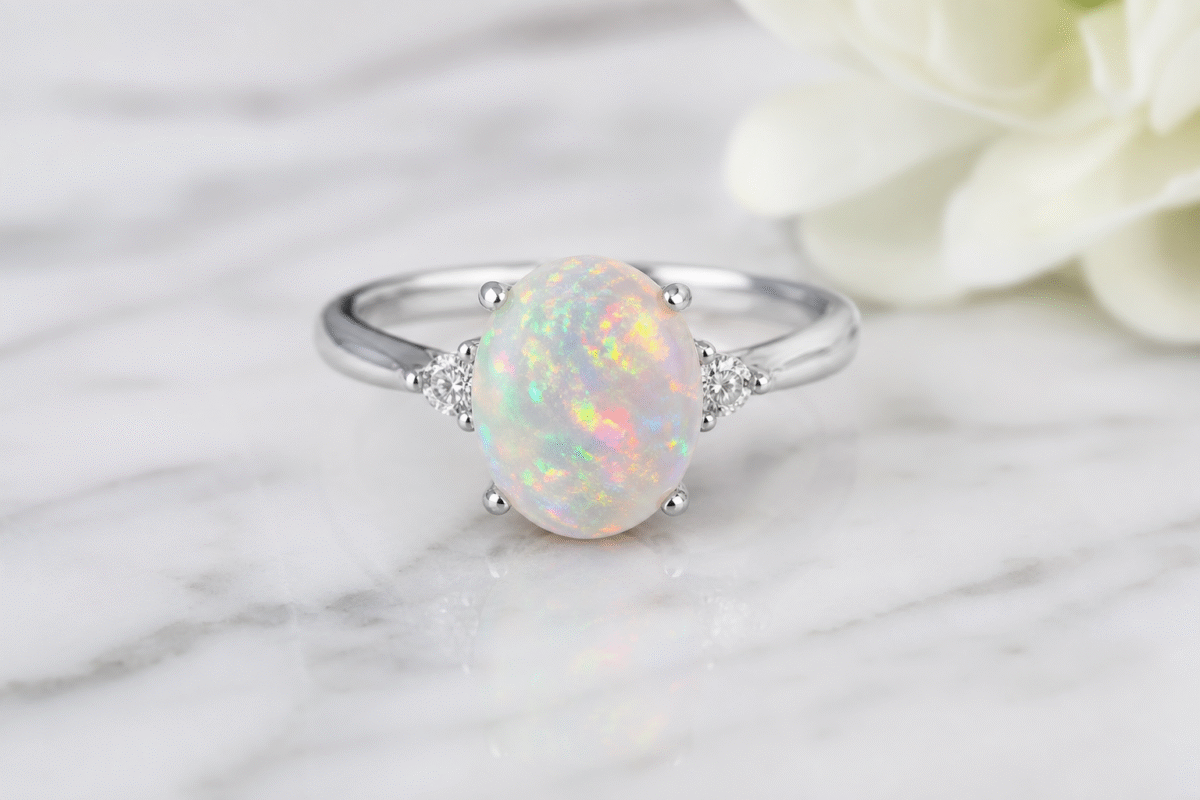
Opal rings are among the most visually captivating gemstone jewelry in the world. Known as the “gem of gems” since Roman times, opals are formed from silica gel that seeps into cracks and fissures in rocks, eventually hardening into this remarkable mineraloid. Unlike most gemstones, opals are not crystalline structures—they’re composed of tiny silica spheres that diffract light, creating the famous “play of color” that makes each opal unique.
The value of an opal ring depends on several factors: the intensity and range of its color play, the background color (black and dark body tones command higher prices), the pattern displayed (harlequin and pinfire are highly sought after), and the absence of cracks or crazing. According to the Gemological Institute of America (GIA), the most valuable opals display a full spectrum of colors with intense saturation.
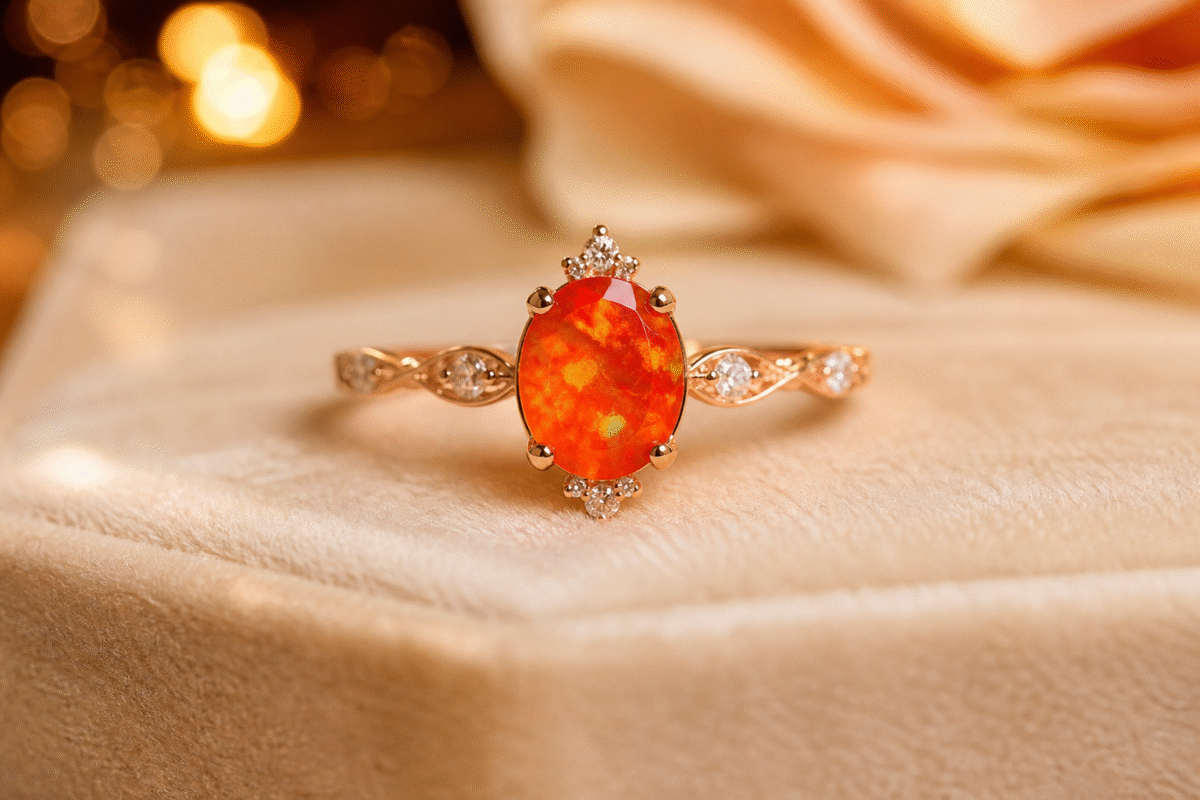
Opals come from several sources worldwide. Ethiopia produces Welo opals known for their large size and dramatic color play, while Australia remains the source of the finest precious opals, particularly from the Lightning Ridge mine where black opals are mined. Mexico is famous for its fire opals, which range from honey yellow to vibrant orange-red.
Types of Opal for Rings
Black Opal: The rarest and most valuable type, primarily from Lightning Ridge, Australia. Its dark body tone makes the color play appear more vivid and saturated.
White/Freeze Opal: From Australia’s Etheridge Creek, these have a white or pale body tone with exceptional color play, resembling a freeze-frame of colors.
Fire Opal: From Mexico, these translucent stones range from yellow to red, some displaying no color play but prized for their warm body color.
Crystal Opal: Transparent to translucent with excellent color visibility through the stone, valued for both beauty and durability in rings.
How to Care for Your Opal Ring
Opals are relatively soft stones (5.5-6.5 on the Mohs scale) and contain water (3-10%), making them delicate compared to diamonds or sapphires. Proper care ensures your opal ring remains beautiful for generations.
Avoid extreme temperature changes — sudden heat or cold can cause cracking. Remove your opal ring before swimming — chlorine damages the stone’s surface. Store separately from harder gems to prevent scratches. Clean with a soft, damp cloth — never use ultrasonic cleaners or harsh chemicals.
The International Gemological Society (IGS) recommends rehydrating your opal occasionally if you live in a dry climate. Place the stone near a water source (not directly in water) for a few hours every few months, then wipe gently with a soft cloth.
Why Choose an Opal Ring?
Opals symbolize hope, purity, and truth. As the October birthstone, they carry deep cultural significance across many traditions. No two opals are alike, making each opal ring a truly unique piece of jewelry. Many jewelry experts recommend opal rings for those who want something truly distinctive—your opal will be one-of-a-kind, just like the person wearing it.
At ETYGEM, we source certified natural opals from trusted mines worldwide, ensuring every ring meets the highest quality standards. Our collection includes everything from affordable everyday opal rings to investment-grade precious opal pieces.
Opal Ring Settings
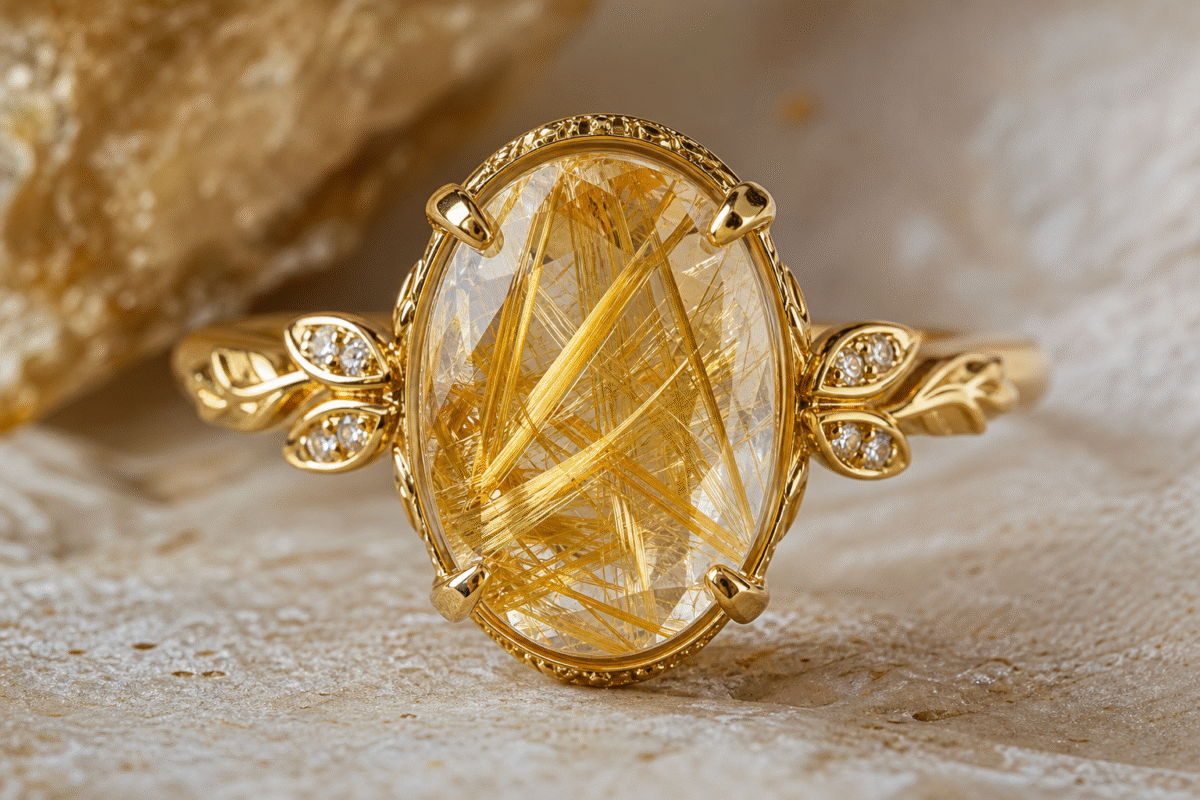
For ring wear, certain settings protect opals better than others. Halo settings surround the opal with smaller diamonds or gemstones, providing extra protection. Bezel settings encircle the stone with metal, offering maximum security. Three-stone settings with opal as the center stone create a beautiful combination with complementary side stones. Consider the metal choice too — yellow gold enhances warm opal colors, while white gold or platinum complements cooler tones.
Find Your Perfect Ring at ETYGEM
Ready to find the ring of your dreams? Our curated collection features hand-selected gemstones, expert craftsmanship, and competitive pricing. Browse our {cat} collection and discover the perfect piece that speaks to you.
Every ETYGEM purchase includes: certification of authenticity, lifetime warranty on the setting, free resizing, and 30-day hassle-free returns. Shop with confidence knowing you’re getting exceptional value and quality.
Frequently Asked Questions
What is the best gemstone for an engagement ring?
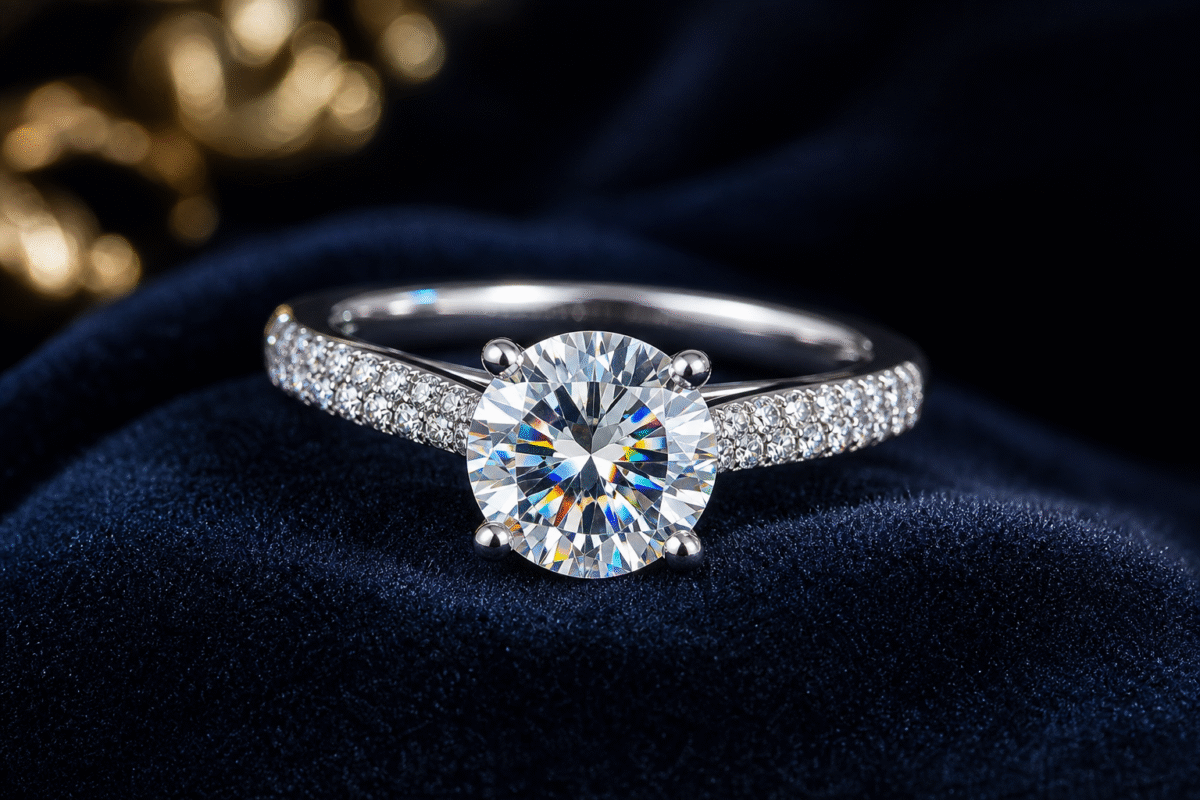
While diamonds remain the most popular choice, sapphires, moissanite, and morganite are excellent alternatives that offer similar durability at lower cost. The best choice depends on your personal style, budget, and values. For everyday durability, sapphires (9 Mohs) and moissanite (9.25 Mohs) are top choices alongside diamonds.
How should I care for my gemstone ring?
Clean your ring monthly with warm soapy water and a soft brush. Remove before swimming, cleaning, or heavy physical work. Have it professionally inspected every 6-12 months. Store separately from other jewelry to prevent scratches.
Are lab-created or natural gemstones better?
Both have advantages. Natural gemstones are formed over millions of years and have unique characteristics. Lab-created stones offer identical chemical composition at a lower price. At ETYGEM, we offer both options so you can choose what aligns with your values and budget.
What metal is best for a gemstone ring?
Platinum and white gold complement cool-toned stones like sapphires and diamonds. Yellow gold enhances warm stones like morganite and citrine. Rose gold creates beautiful contrast with both cool and warm stones. The best choice depends on your skin tone and personal style.
Does ETYGEM offer warranties and returns?
Yes! All ETYGEM rings come with a lifetime warranty on the setting, complimentary resizing, and a 30-day hassle-free return policy. We also provide certification of authenticity for all gemstones, ensuring you receive exactly what you paid for.