part 1:
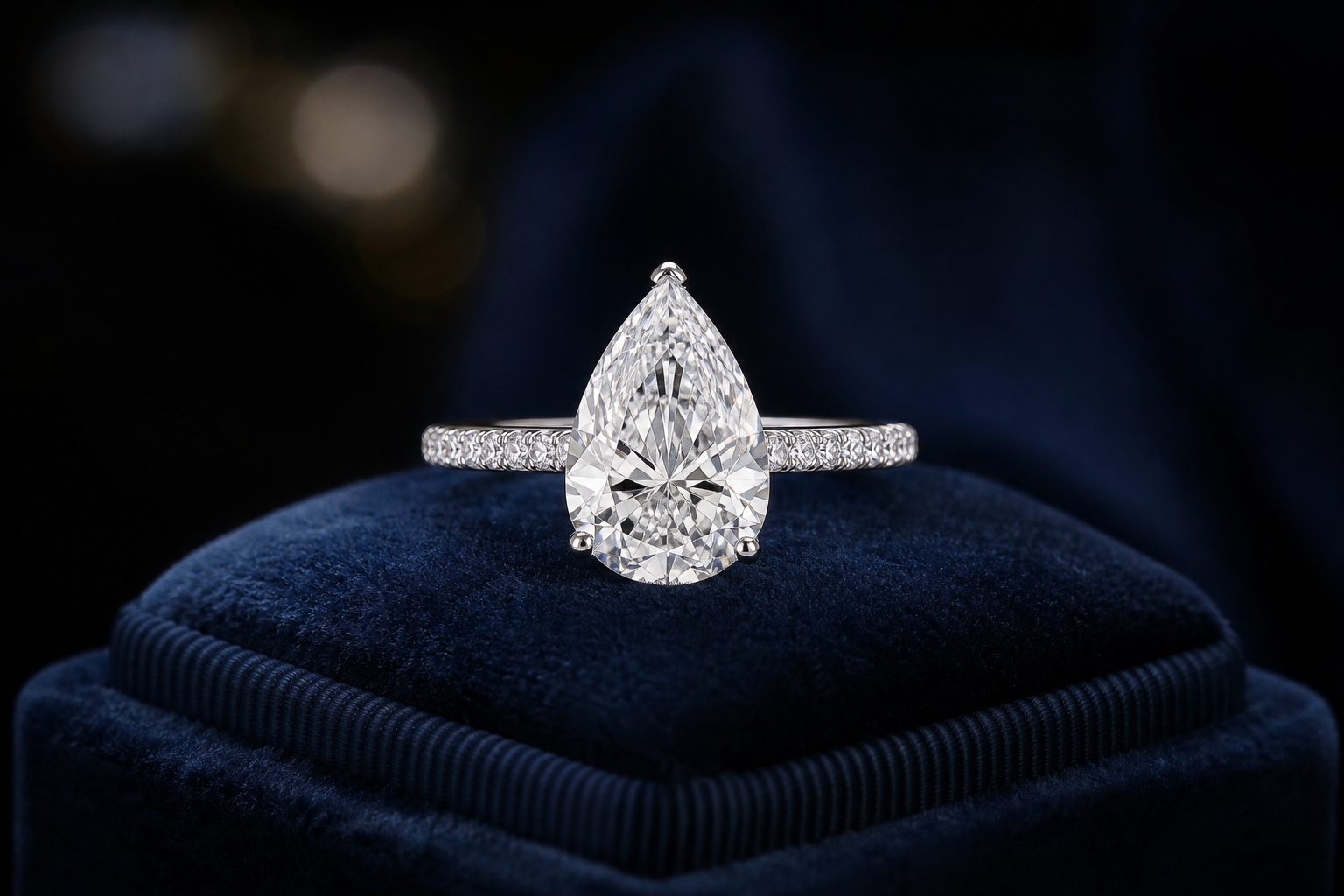
When love is in the air, every detail of an engagement should reflect the depth and beauty of the bond being celebrated. Among the constellation of options available for that unforgettable proposal, the pear-shaped engagement ring set stands out as an icon of elegance and sophistication. This distinctive shape, with its exquisite teardrop silhouette, captures light and emotion in a way that’s both romantic and artful, making it an increasingly popular choice for those seeking something truly special.
A Timeless, Romantic Shape
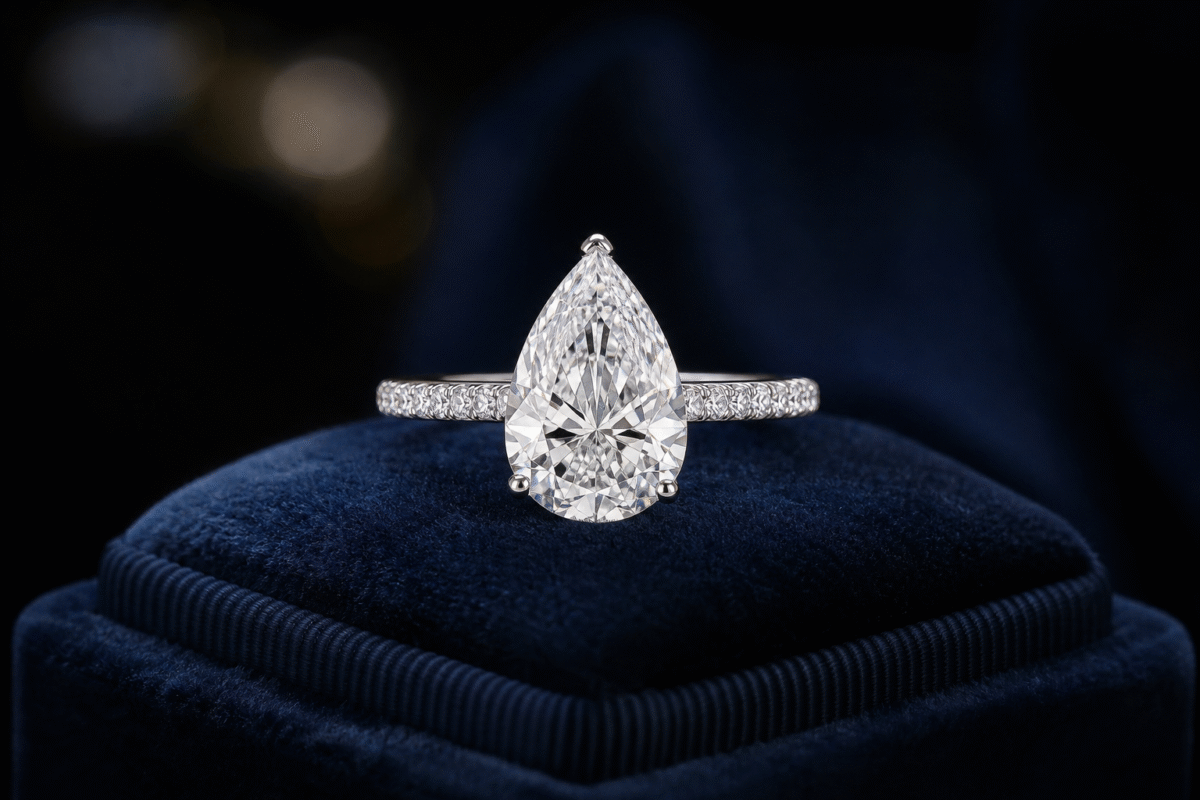
The pear shape, also known as the teardrop, offers a harmonious blend of classic and contemporary design elements. Its curved, elongated form is reminiscent of a falling raindrop or a shimmering tear of joy, embodying deep emotional resonance. The shape’s unique silhouette allows it to flatter a variety of finger sizes and shapes, often making the wearer’s hand appear more slender and elongated—a subtle yet powerful visual enhancement.
Historically, pear-shaped diamonds and gemstones have been associated with elegance and grace. The design first gained popularity in the 19th century, but its appeal has persisted through decades, maintaining a sense of luxury and individuality. Today, the pear-shaped engagement ring set has surged in popularity, especially among those who wish to express their love with a touch of uniqueness and allure.
Why Choose a Pear-Shaped Engagement Ring Set?
Opting for a ring set, where the engagement ring is paired with a matching wedding band, creates a cohesive, luxurious look that symbolizes a seamless journey of love. When the set features a pear-shaped stone, it enhances a sense of continuity while emphasizing the craftsmanship behind both pieces. Here are some compelling reasons to consider this style:
Distinctiveness: The pear shape is less common compared to round or princess cuts, making it a distinctive choice for a proposal that stands out. Versatility in Styling: Whether set in a classic solitaire, halo, or vintage-inspired design, the pear shape adapts beautifully, offering options to match personal taste and lifestyle. Light Play and Sparkle: The elongated shape lends itself wonderfully to brilliant cuts and faceting, ensuring the stone dances with light and captures attention. Symbolism: The teardrop shape can symbolize tears of joy, an emotional journey, or the uniqueness of a once-in-a-lifetime love story, adding depth to the choice.
Design Variations and Settings
A pear-shaped engagement ring set can be tailored to perfectly reflect personal style. Some popular setting options include:
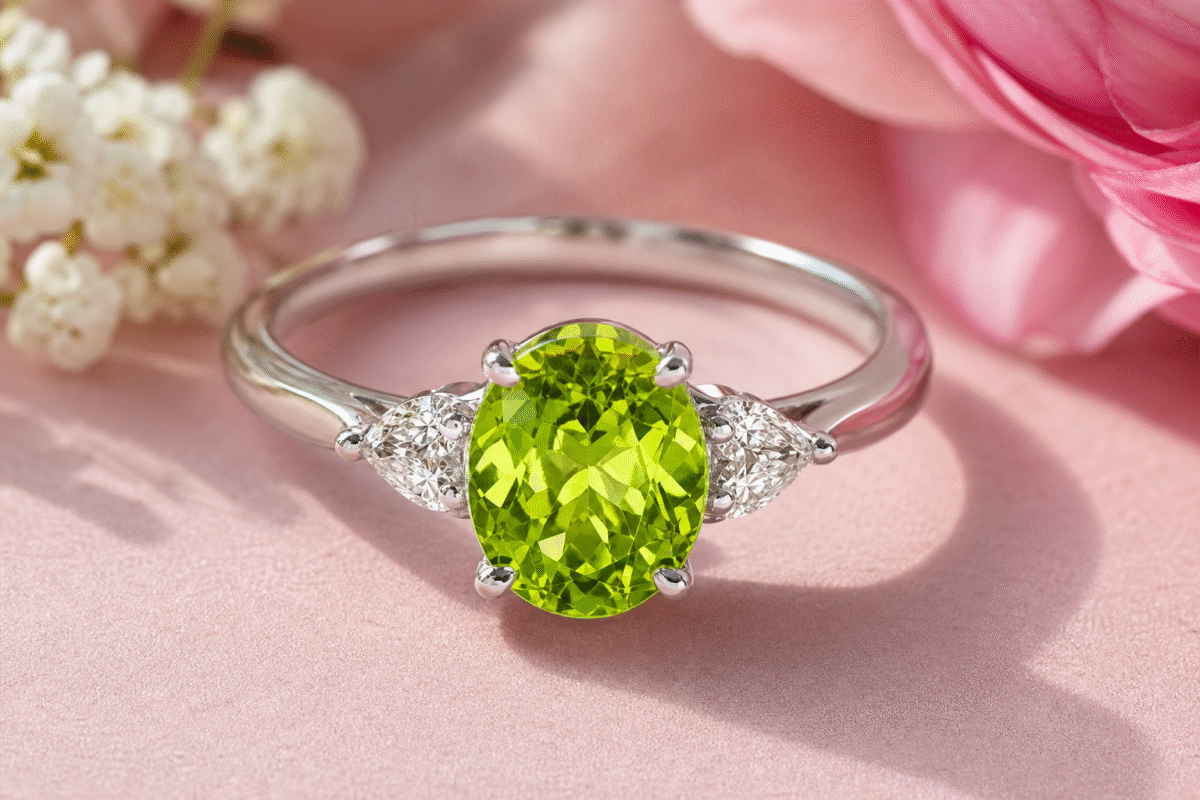
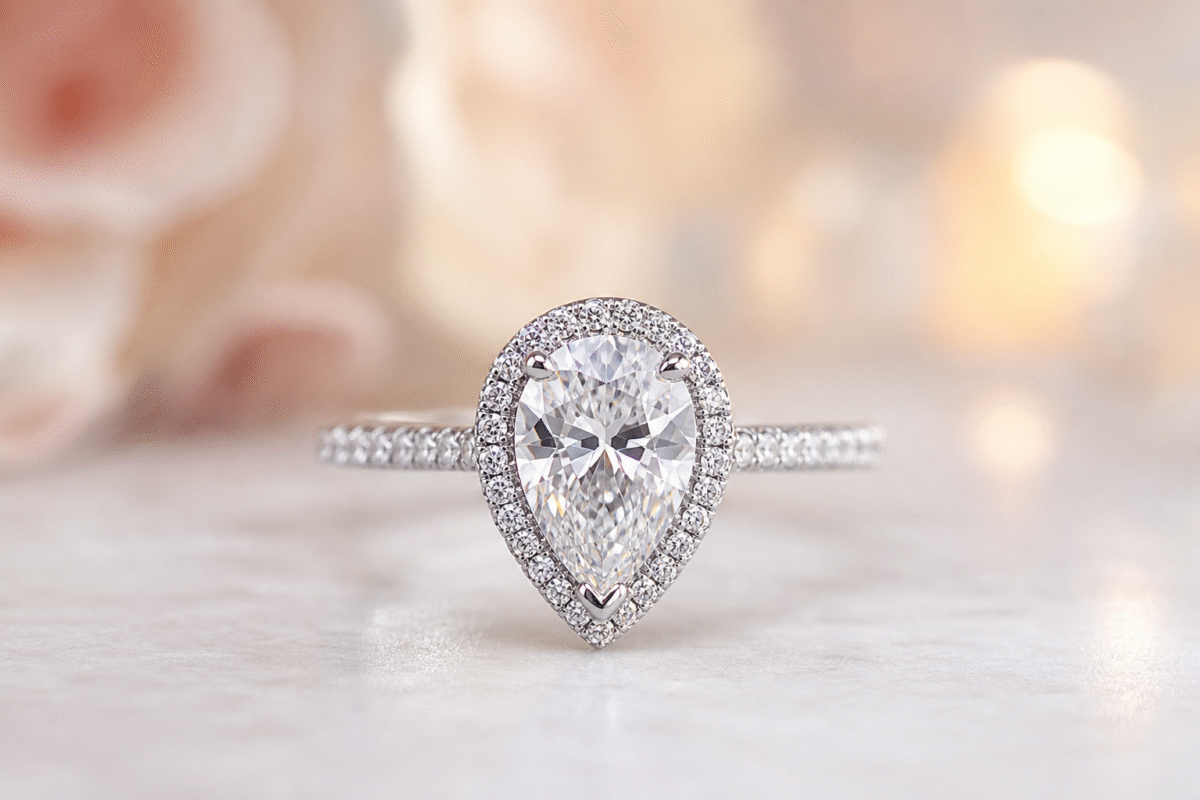
Solitaire: Showcases the stone’s teardrop form in pure elegance, letting the gemstone take center stage. Halo: Surrounds the pear-shaped diamond with a circle of smaller stones, enhancing its size, brilliance, and visual impact. Three-Stone: Combines the pear-shaped center with side stones, often with accent diamonds that add to its sparkle and meaning. Vintage: Incorporates intricate filigree, milgrain edges, or antique details to evoke a sense of timelessness and handcrafted allure.
The choice of metal also plays a crucial role. White gold, platinum, and rose gold are popular options, each bringing a different personality and warmth to the design. Rose gold, in particular, complements the gentle curves of the pear shape, adding a romantic touch.
Matching with Wedding Bands
Creating a stunning ring set that includes a pear-shaped engagement ring involves thoughtful coordination. The wedding band can be designed to nestle against the curve of the pear, creating a harmonious silhouette. For example:
Contoured Bands: Shaped to follow the outline of the pear-shaped stone, emphasizing its teardrop form. Plain Bands: Simple and sleek, allowing the engagement ring to stand out while maintaining elegance. Embellished Bands: With small pavé or channel-set stones, adding extra sparkle to the overall set.
The goal is to establish a seamless, balanced pairing that celebrates the uniqueness of the pear shape while providing comfort and durability for daily wear.
Choosing the Perfect Pear-Shaped Stone
When selecting a pear-shaped gemstone for your engagement set, attention to quality is paramount. Important factors include:
Cut: Ensures maximum brilliance and symmetry. The facets should be precisely cut to enhance light reflection. Color: For diamonds, a higher color grade (D-F) maintains sparkle and clarity. For other gemstones like sapphires or moissanite, color preferences can vary. Clarity: Fewer inclusions allow the stone’s beauty to shine through, especially given the shape’s tendency to hide internal flaws. Carat weight: The elongated shape can appear larger than its weight suggests, but balance your size preference with quality considerations.
By collaborating with reputable jewelers and examining certification, couples can be assured of a piece that embodies both beauty and integrity.
A Symbol of Personal Meaning
Choosing a pear-shaped engagement ring set isn’t just about aesthetics; it’s about expressing personality and sentiment. The teardrop form reflects delicate beauty and emotional depth, making it perfect for those who see jewelry as storytelling. Whether it’s a symbol of tears of joy, promise, or hope, the shape encapsulates a profound connection—one that will be cherished for generations.
Stay tuned for part 2, where we’ll explore styling tips, customization ideas, real-life stories, and advice on caring for your pear-shaped engagement ring set to ensure it remains as enchanting as the love it represents.
Related Articles
Continue reading for more gemstone guides:
- The Ultimate Guide to Opal Rings: Types, Colors, and Meaning
- Moss Agate Rings: Nature’s Beautiful Gemstone for Everyday Elegance
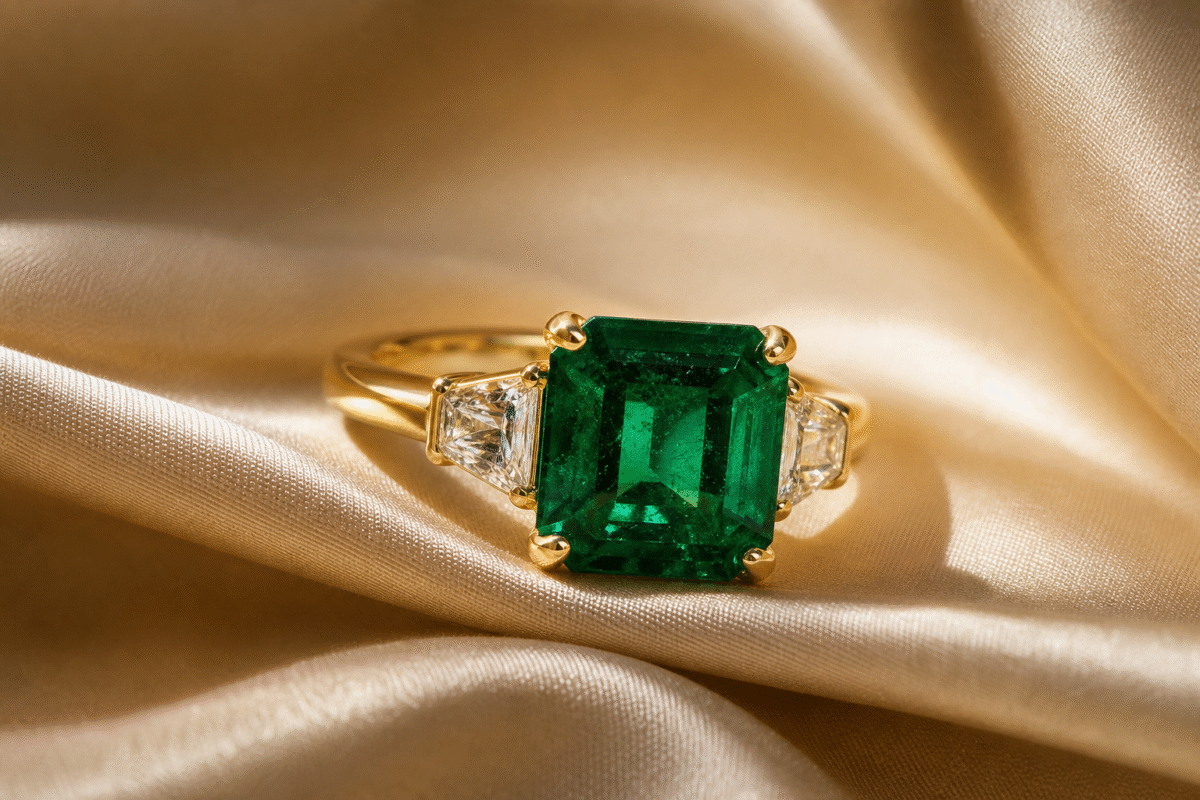
- Sapphire vs Ruby vs Emerald: Which Gemstone Ring Is Right for You?
- How to Care for Your Gemstone Jewelry: Expert Tips for Long-Lasting Beauty
What Are Opal Rings?
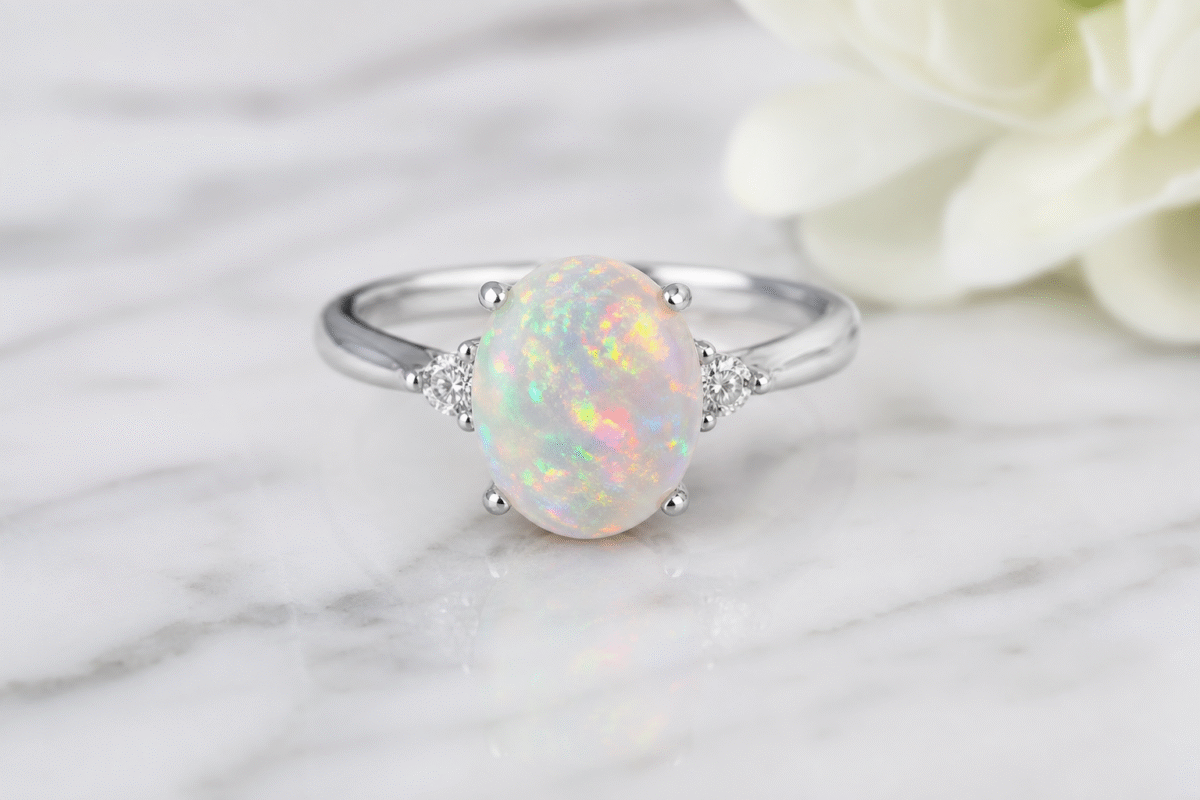
Opal rings are among the most visually captivating gemstone jewelry in the world. Known as the “gem of gems” since Roman times, opals are formed from silica gel that seeps into cracks and fissures in rocks, eventually hardening into this remarkable mineraloid. Unlike most gemstones, opals are not crystalline structures—they’re composed of tiny silica spheres that diffract light, creating the famous “play of color” that makes each opal unique.
The value of an opal ring depends on several factors: the intensity and range of its color play, the background color (black and dark body tones command higher prices), the pattern displayed (harlequin and pinfire are highly sought after), and the absence of cracks or crazing. According to the Gemological Institute of America (GIA), the most valuable opals display a full spectrum of colors with intense saturation.
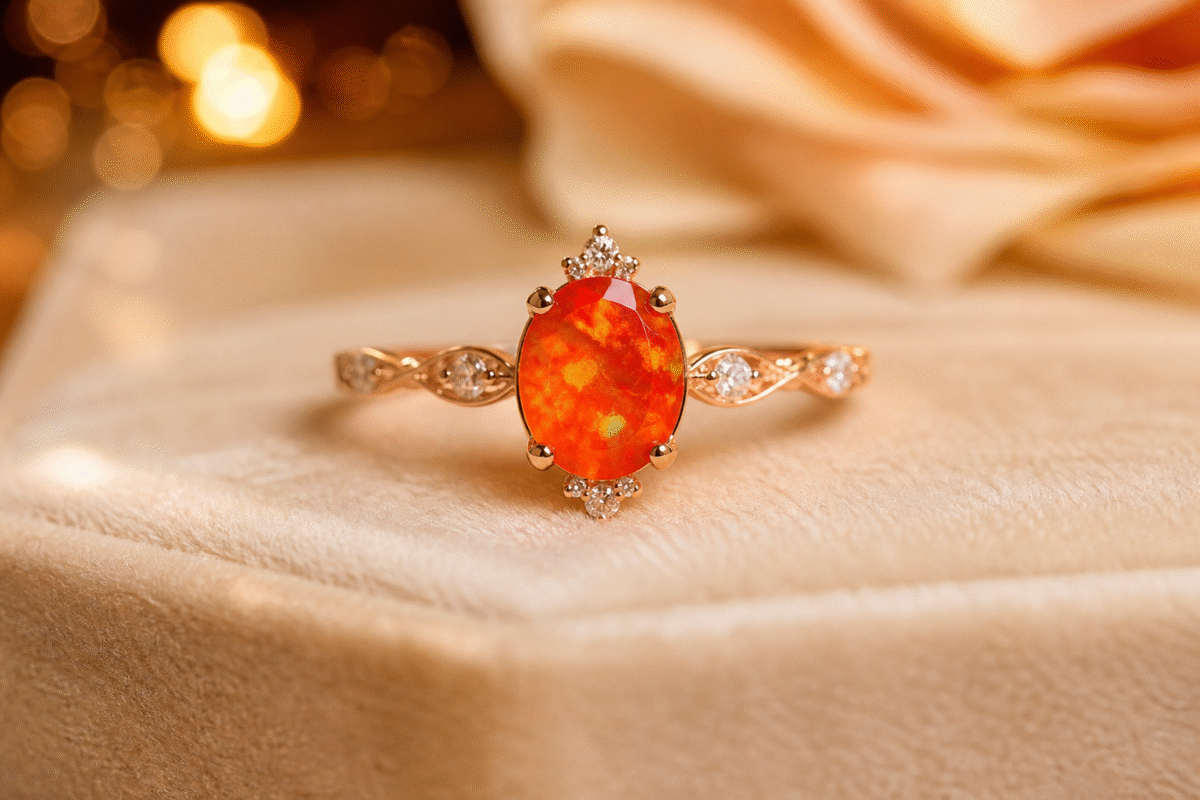
Opals come from several sources worldwide. Ethiopia produces Welo opals known for their large size and dramatic color play, while Australia remains the source of the finest precious opals, particularly from the Lightning Ridge mine where black opals are mined. Mexico is famous for its fire opals, which range from honey yellow to vibrant orange-red.
Types of Opal for Rings
Black Opal: The rarest and most valuable type, primarily from Lightning Ridge, Australia. Its dark body tone makes the color play appear more vivid and saturated.
White/Freeze Opal: From Australia’s Etheridge Creek, these have a white or pale body tone with exceptional color play, resembling a freeze-frame of colors.
Fire Opal: From Mexico, these translucent stones range from yellow to red, some displaying no color play but prized for their warm body color.
Crystal Opal: Transparent to translucent with excellent color visibility through the stone, valued for both beauty and durability in rings.
How to Care for Your Opal Ring
Opals are relatively soft stones (5.5-6.5 on the Mohs scale) and contain water (3-10%), making them delicate compared to diamonds or sapphires. Proper care ensures your opal ring remains beautiful for generations.
Avoid extreme temperature changes — sudden heat or cold can cause cracking. Remove your opal ring before swimming — chlorine damages the stone’s surface. Store separately from harder gems to prevent scratches. Clean with a soft, damp cloth — never use ultrasonic cleaners or harsh chemicals.
The International Gemological Society (IGS) recommends rehydrating your opal occasionally if you live in a dry climate. Place the stone near a water source (not directly in water) for a few hours every few months, then wipe gently with a soft cloth.
Why Choose an Opal Ring?
Opals symbolize hope, purity, and truth. As the October birthstone, they carry deep cultural significance across many traditions. No two opals are alike, making each opal ring a truly unique piece of jewelry. Many jewelry experts recommend opal rings for those who want something truly distinctive—your opal will be one-of-a-kind, just like the person wearing it.
At ETYGEM, we source certified natural opals from trusted mines worldwide, ensuring every ring meets the highest quality standards. Our collection includes everything from affordable everyday opal rings to investment-grade precious opal pieces.
Opal Ring Settings
For ring wear, certain settings protect opals better than others. Halo settings surround the opal with smaller diamonds or gemstones, providing extra protection. Bezel settings encircle the stone with metal, offering maximum security. Three-stone settings with opal as the center stone create a beautiful combination with complementary side stones. Consider the metal choice too — yellow gold enhances warm opal colors, while white gold or platinum complements cooler tones.
Find Your Perfect Ring at ETYGEM
Ready to find the ring of your dreams? Our curated collection features hand-selected gemstones, expert craftsmanship, and competitive pricing. Browse our {cat} collection and discover the perfect piece that speaks to you.
Every ETYGEM purchase includes: certification of authenticity, lifetime warranty on the setting, free resizing, and 30-day hassle-free returns. Shop with confidence knowing you’re getting exceptional value and quality.
Frequently Asked Questions
What is the best gemstone for an engagement ring?
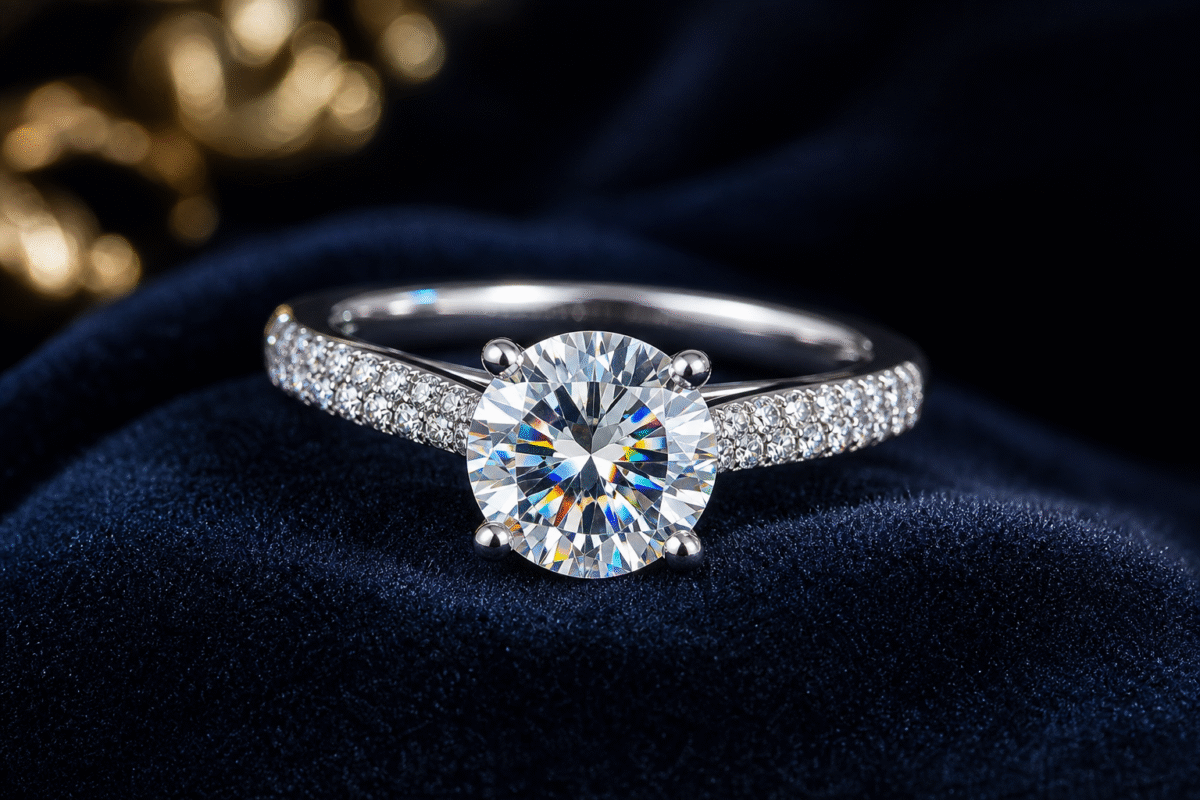
While diamonds remain the most popular choice, sapphires, moissanite, and morganite are excellent alternatives that offer similar durability at lower cost. The best choice depends on your personal style, budget, and values. For everyday durability, sapphires (9 Mohs) and moissanite (9.25 Mohs) are top choices alongside diamonds.
How should I care for my gemstone ring?
Clean your ring monthly with warm soapy water and a soft brush. Remove before swimming, cleaning, or heavy physical work. Have it professionally inspected every 6-12 months. Store separately from other jewelry to prevent scratches.
Are lab-created or natural gemstones better?
Both have advantages. Natural gemstones are formed over millions of years and have unique characteristics. Lab-created stones offer identical chemical composition at a lower price. At ETYGEM, we offer both options so you can choose what aligns with your values and budget.
What metal is best for a gemstone ring?
Platinum and white gold complement cool-toned stones like sapphires and diamonds. Yellow gold enhances warm stones like morganite and citrine. Rose gold creates beautiful contrast with both cool and warm stones. The best choice depends on your skin tone and personal style.
Does ETYGEM offer warranties and returns?
Yes! All ETYGEM rings come with a lifetime warranty on the setting, complimentary resizing, and a 30-day hassle-free return policy. We also provide certification of authenticity for all gemstones, ensuring you receive exactly what you paid for.