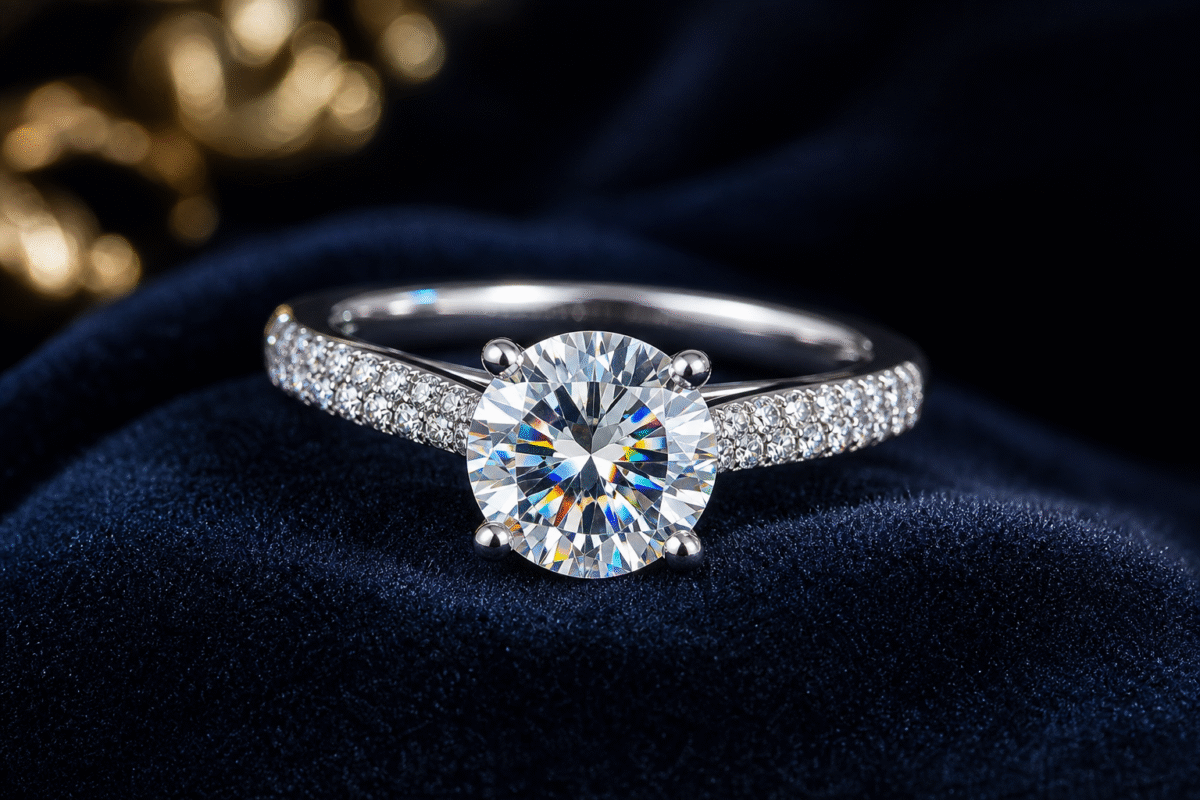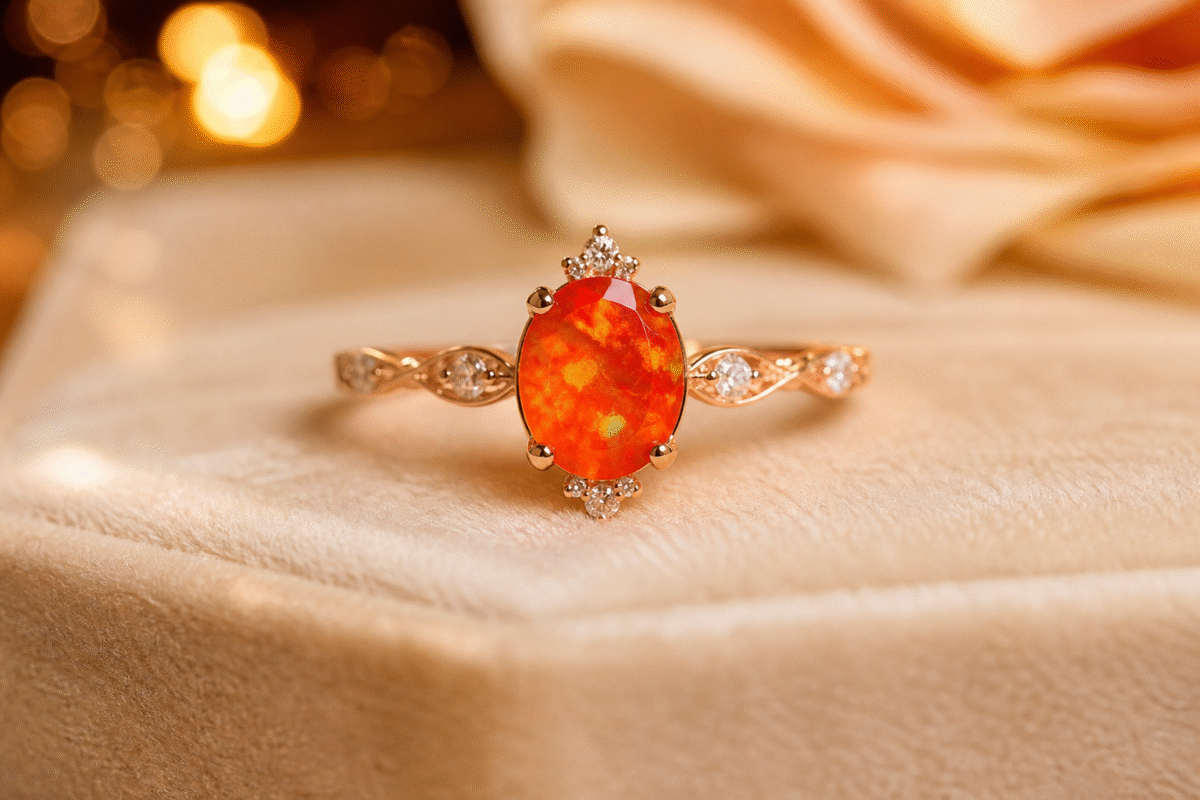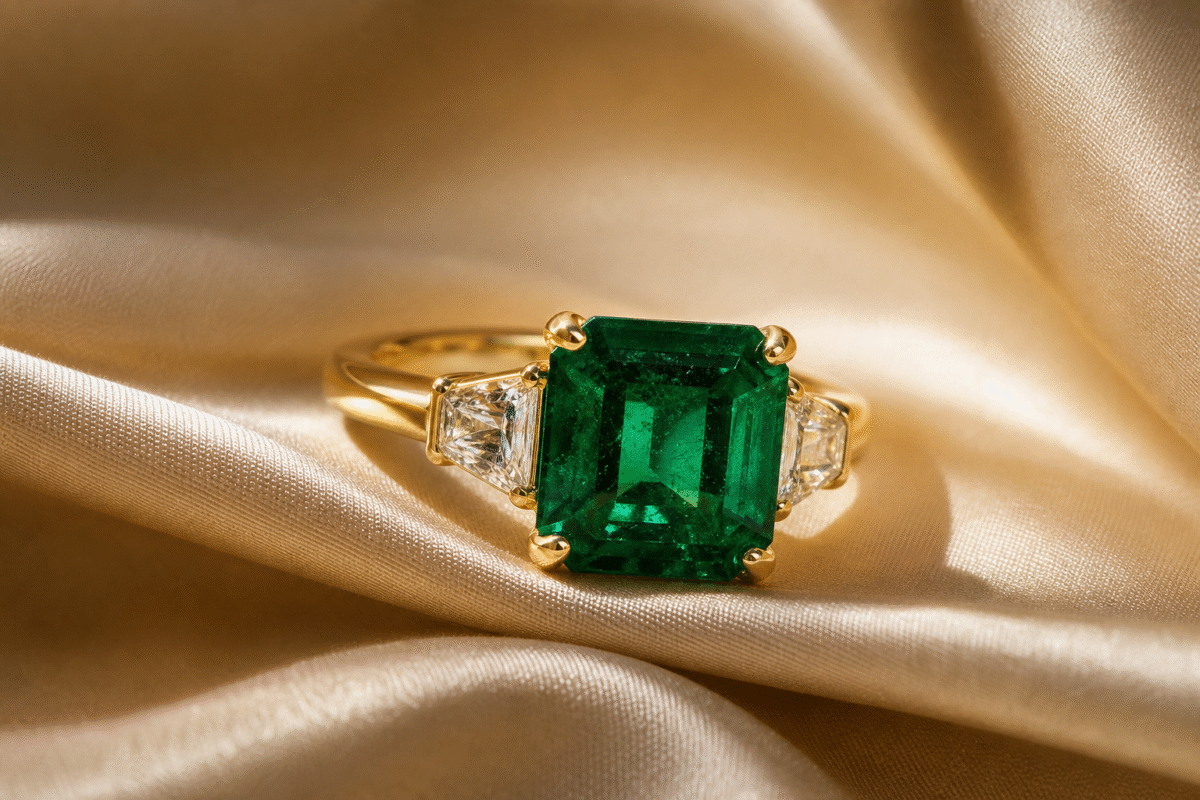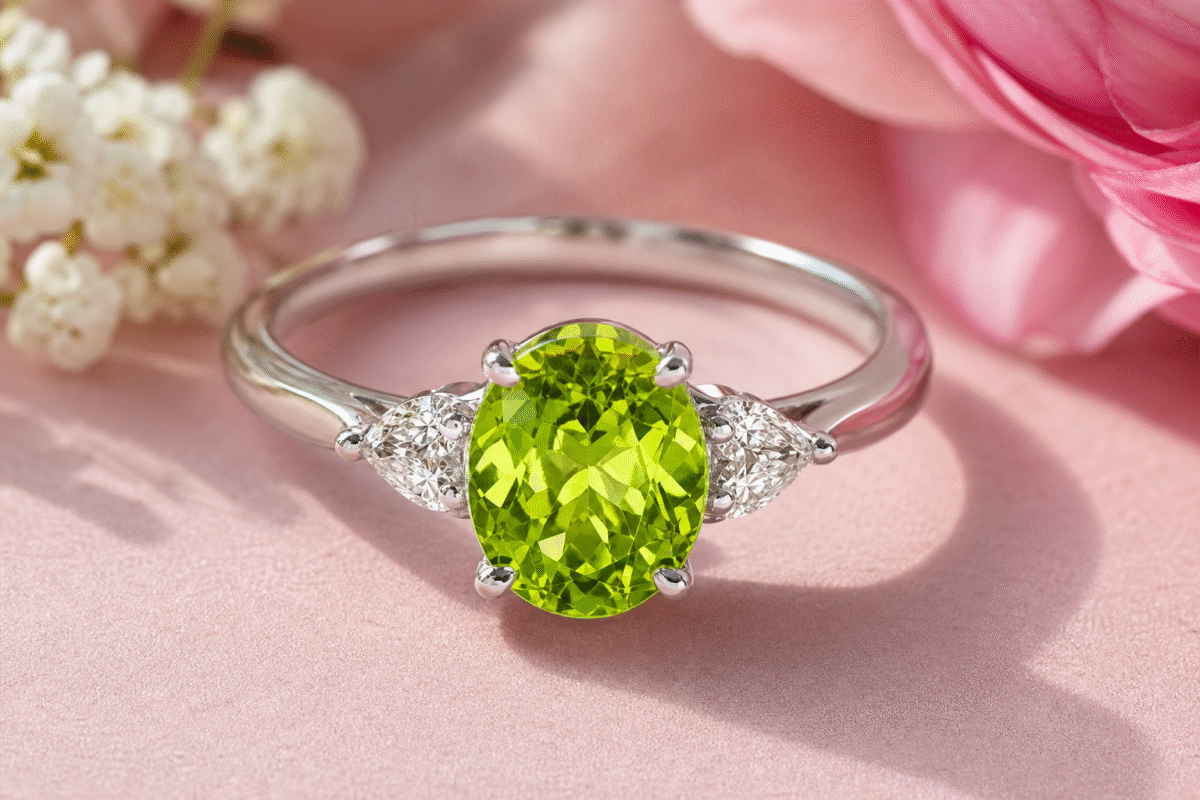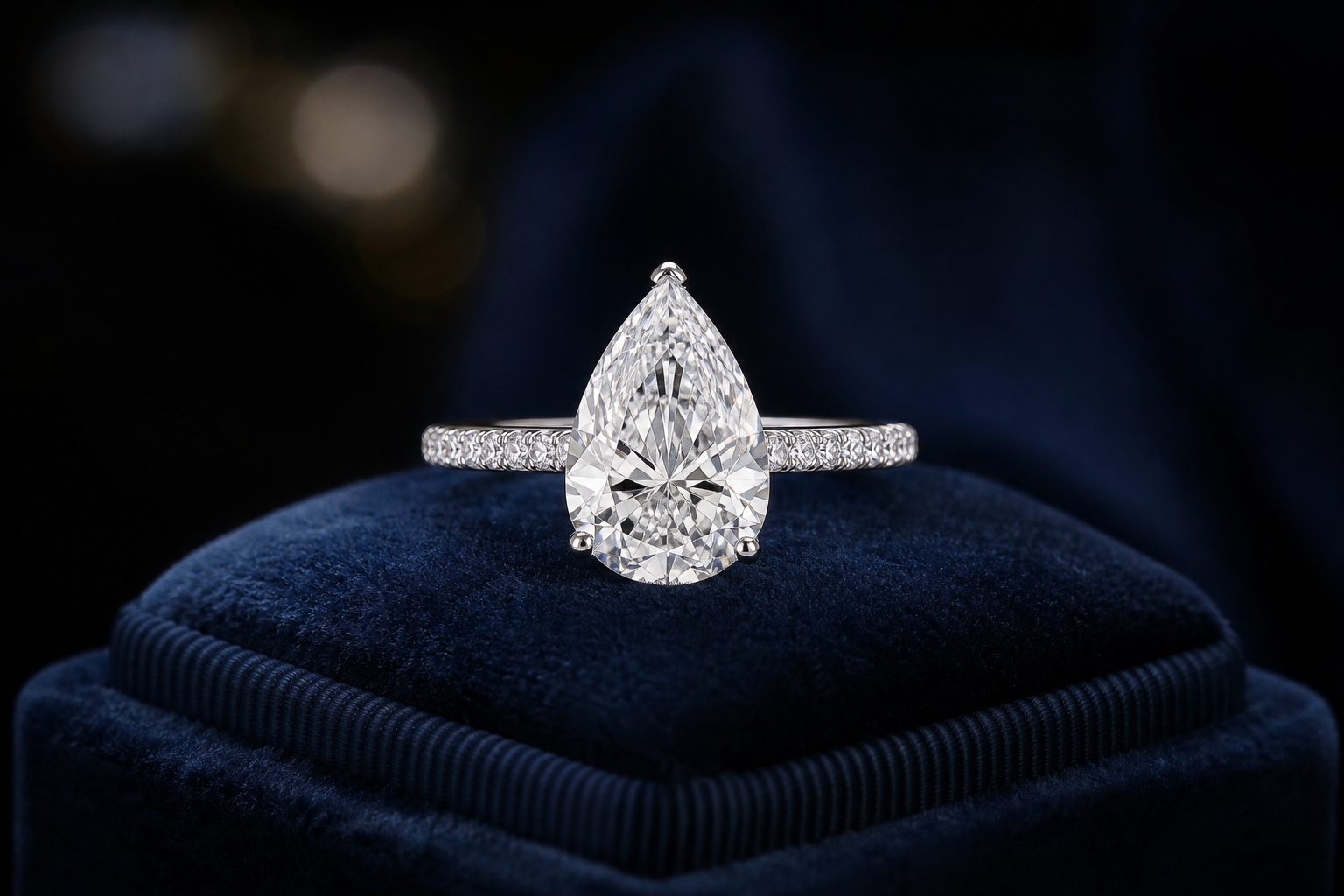
The pear shaped engagement ring has captivated jewelry lovers for over five centuries, combining the brilliance of a round cut with the elongated elegance of a marquise. According to the Gemological Institute of America (GIA), the pear shape—also called a teardrop cut—features 58 facets that create exceptional fire and scintillation. Whether you’re drawn to its flattering silhouette or its rich history, a teardrop proposal ring offers a distinctive alternative to traditional round solitaires.
This comprehensive guide covers everything you need to know about choosing the perfect pear shaped engagement ring, from ideal proportions and carat weights to setting styles and price ranges. At ETYGEM’s pear style ring collection, we offer expertly crafted options that balance quality with affordability.
History and Symbolism of Pear Shaped Engagement Rings
The pear cut diamond was first created in 1458 by Flemish diamond polisher Lodewyk van Berquem, who also invented the diamond polishing wheel called a scaif. This innovation allowed cutters to place facets with mathematical precision for the first time. The teardrop shape quickly became associated with tears of joy and emotional depth.
Throughout history, pear shaped diamonds have adorned royalty and celebrities alike. The famous 69.42-carat Taylor-Burton Diamond, purchased by Richard Burton for Elizabeth Taylor in 1969, remains one of the most iconic this elegant shape gems ever sold. Today, the shape symbolizes individuality, grace, and a forward-thinking approach to tradition.
Understanding Pear Cut Diamond Proportions
The ideal pear shaped diamond follows specific proportional guidelines that maximize brilliance. The American Gem Society recommends a length-to-width ratio between 1.45:1 and 1.75:1, with 1.50:1 to 1.60:1 considered the sweet spot for most buyers.
Key Measurements to Evaluate
When examining a pear shaped diamond, pay attention to these critical factors:
- Table percentage: 53% to 63% for optimal light return
- Depth percentage: 56% to 66% ensures proper light performance
- Symmetry: The two halves should mirror each other perfectly when a line is drawn from tip to base
- Wing curvature: Gently rounded shoulders without flat spots or bulges
- Point integrity: A sharp, well-defined tip without chipping
The “bow-tie effect”—a dark shadow across the center—appears in most pear cuts to some degree. A faint bow-tie is acceptable and even adds character, but a pronounced dark band indicates poor cutting proportions. Always view the diamond face-up under multiple lighting conditions before purchasing.
Choosing the Right Carat Weight for Pear Diamonds
One significant advantage of pear shaped diamonds is their ability to appear larger than their actual carat weight. Due to their elongated shape, a 1-carat pear diamond typically measures approximately 8.0mm x 5.2mm, covering more finger surface area than a 1-carat round brilliant at 6.5mm diameter.
Popular Carat Weights and Price Ranges
Based on current market data from the Gems & Gemology journal, here are typical price ranges for GIA-certified pear diamonds (G-H color, VS1-VS2 clarity):
- 0.50 carat: $1,200–$2,500
- 1.00 carat: $4,000–$8,500
- 1.50 carat: $8,000–$16,000
- 2.00 carat: $14,000–$30,000
- 3.00 carat: $28,000–$65,000
Pear shaped diamonds typically cost 10-20% less than equivalent round brilliants because cutters can retain more rough diamond weight during the cutting process, reducing waste and lowering per-carat costs.
Best Settings for Pear Shaped Engagement Rings
The setting you choose dramatically affects both the appearance and security of your pear shaped diamond. Because the pointed tip is vulnerable to chipping, protective settings are essential.
Solitaire Settings
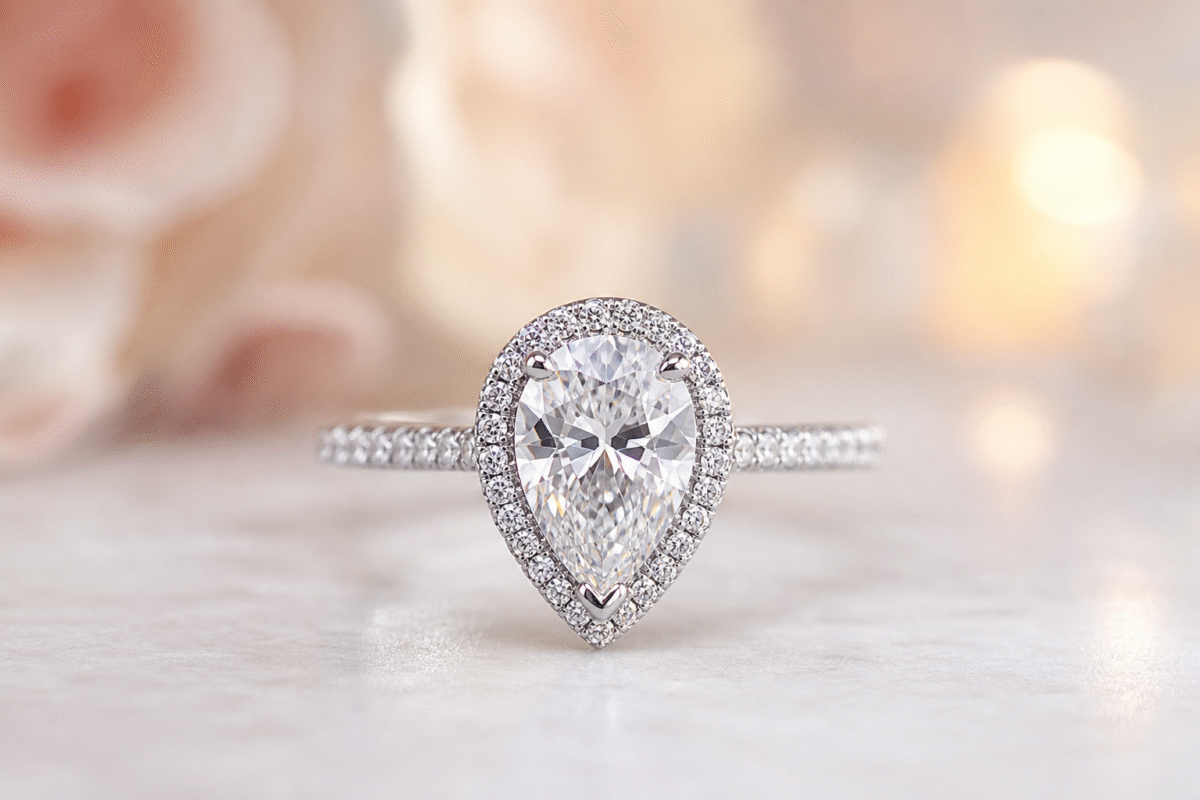
A classic solitaire with a V-prong at the tip and three or four prongs along the rounded end showcases the diamond’s full shape. This minimalist approach lets the stone speak for itself and works beautifully with both thin and medium-width bands.
Halo Settings
A halo of smaller diamonds surrounding the center stone adds approximately 0.25-0.50 carats of visual size without the cost of a larger center diamond. The halo also protects the pointed tip and creates a stunning frame that enhances the teardrop silhouette.
Three-Stone Settings
Flanking your pear diamond with two smaller stones—whether round brilliants, tapered baguettes, or smaller pear shapes—creates a balanced, eye-catching design. This setting style adds approximately 30% more sparkle while maintaining an elegant profile.
Bezel Settings
A full or partial bezel wraps metal around the diamond’s girdle, offering maximum protection for active lifestyles. Modern bezel designs maintain a sleek, contemporary aesthetic while securing every edge of the pear shape.
Color and Clarity Recommendations for Pear Cuts
Pear shaped diamonds tend to show color more readily than round brilliants, particularly near the pointed tip where light concentrates. The International Gem Society (IGS) recommends selecting at least G or H color for white gold or platinum settings, while I or J color can work beautifully in yellow or rose gold where the warm metal tone masks slight body color.
For clarity, VS2 is generally the sweet spot for pear shapes. Because the brilliant faceting pattern breaks up inclusions effectively, most VS2 diamonds appear eye-clean. However, avoid inclusions near the tip, as they can create a weak point that increases chipping risk.
How to Wear a Pear Shaped Engagement Ring
Traditionally, pear shaped rings are worn with the point facing toward the fingernails, creating a visually elongating effect on the finger. However, there’s no strict rule—some wearers prefer the point facing toward the wrist for a unique look.
Finger Shape Considerations
The pear shape is particularly flattering for:
- Short fingers: The elongated shape creates the illusion of length
- Wide fingers: The tapered point draws the eye inward, creating a slimming effect
- Long fingers: East-west settings (point facing sideways) add width and balance
Pairing with Wedding Bands
The asymmetric shape of pear diamonds requires thoughtful wedding band pairing. Curved or contoured bands that follow the diamond’s outline sit flush without gaps. Alternatively, a straight band with a small gap creates a modern, intentional look. Many couples choose to have a custom-fitted band made after the engagement ring is selected.
Pear Shaped Rings with Colored Gemstones
While diamonds remain the most popular choice, pear shaped settings beautifully showcase colored gemstones. At ETYGEM, our opal ring collection and emerald ring collection feature stunning pear cuts that offer vibrant alternatives to traditional diamonds.
Popular colored gemstone options for pear shaped engagement rings include:
- Sapphire: 9 on the Mohs hardness scale, excellent durability for daily wear
- Emerald: 7.5-8 Mohs hardness, requires protective settings due to natural inclusions
- Morganite: 7.5-8 Mohs hardness, romantic pink hue pairs beautifully with rose gold
- Opal: 5.5-6.5 Mohs hardness, best suited for occasional wear with bezel protection
Caring for Your Pear Shaped Engagement Ring
The pointed tip of a pear shaped ring requires extra attention during daily wear. Remove your ring during heavy manual work, exercise, and cleaning with harsh chemicals. Clean your ring weekly using warm water, mild dish soap, and a soft-bristled toothbrush, paying special attention to the area beneath the pointed prong where dirt accumulates.
Schedule professional inspections every six months to check prong integrity, particularly the V-prong at the tip. A loose prong on a pear shape is more critical than on a round diamond because the tip bears concentrated stress during impacts.
Why Choose a Pear Shaped Engagement Ring from ETYGEM
At ETYGEM, we understand that an engagement ring represents one of life’s most meaningful purchases. Our pear cut engagement rings are crafted with meticulous attention to proportion, symmetry, and brilliance. Each stone is hand-selected to ensure minimal bow-tie effect and maximum fire.
Whether you prefer a classic solitaire, a glamorous halo, or a unique colored gemstone, our collection offers options across multiple price points without compromising on quality. Explore our full range and find the pear shaped ring that tells your unique love story.
Frequently Asked Questions
What is the ideal length-to-width ratio for a pear shaped engagement ring?
The ideal length-to-width ratio for a pear shaped diamond falls between 1.50:1 and 1.60:1, according to the American Gem Society. This range creates a balanced teardrop silhouette that appears neither too narrow nor too stubby. Ratios below 1.45:1 appear overly round, while those above 1.75:1 can look excessively elongated and may show a more pronounced bow-tie effect.
Are pear shaped diamonds more affordable than round diamonds?
Yes, pear shaped diamonds typically cost 10-20% less than round brilliants of equivalent carat weight, color, and clarity. This price difference exists because pear cuts retain more of the rough diamond during cutting, resulting in less waste. Additionally, pear shapes face less market demand than rounds, which keeps prices lower while offering a unique, eye-catching alternative.
How should I protect the pointed tip of my pear shaped ring?
The most effective protection comes from choosing a V-prong or bezel setting that covers the tip completely. During daily wear, remove your ring during activities that could impact the point, such as gardening, weightlifting, or cleaning. Have your jeweler inspect the tip prong every six months, as this is the most vulnerable point on the ring and the first area where wear typically appears.
Can pear shaped engagement rings be resized easily?
Pear shaped rings in simple solitaire or prong settings can typically be resized up or down by 1-2 sizes without difficulty. However, rings with channel-set side stones, full eternity bands, or intricate pave work along the shank may be more challenging to resize. Discuss resizing options with your jeweler before purchase, especially if you anticipate size changes.
Which metal color works best with pear shaped diamonds?
Platinum and white gold complement pear shaped diamonds rated D-H color by maintaining a cool, bright appearance that doesn’t add warmth to the stone. Yellow gold and rose gold pair beautifully with I-K color diamonds, as the warm metal tone masks slight body color in the stone. The choice ultimately depends on personal style preference and skin tone—cooler skin tones typically favor white metals, while warmer complexions glow with yellow or rose gold.
The Art of the Pear Diamond Cut
Cutting a pear diamond requires exceptional skill because the shape combines two different cutting geometries—a rounded end and a pointed end—that must work together harmoniously. According to the American Gem Society, the pear cut demands more precision than a round brilliant because asymmetry in any facet becomes immediately visible.
Ideal Proportions for Maximum Brilliance
The most important measurement in a pear diamond is the length-to-width ratio, which determines the stone’s overall silhouette:
- 1.45–1.55:1: Slightly wider, more rounded appearance; popular for those who prefer a subtle teardrop
- 1.55–1.65:1: Classic pear proportion; the most universally flattering ratio
- 1.65–1.75:1: More elongated and dramatic; creates maximum finger-lengthening effect
- Above 1.75:1: Very narrow; may show pronounced bow-tie and appear fragile
Beyond the ratio, evaluate table percentage (54–63%), depth percentage (56–65%), and girdle thickness (thin to slightly thick). A well-proportioned pear diamond will show even light distribution across its face without dark areas or light leakage through the pavilion.
Related Articles
Continue reading for more gemstone guides:
- The Ultimate Guide to Opal Rings: Types, Colors, and Meaning
- Moss Agate Rings: Nature’s Beautiful Gemstone for Everyday Elegance
- Sapphire vs Ruby vs Emerald: Which Gemstone Ring Is Right for You?
- How to Care for Your Gemstone Jewelry: Expert Tips for Long-Lasting Beauty
What Are Opal Rings?
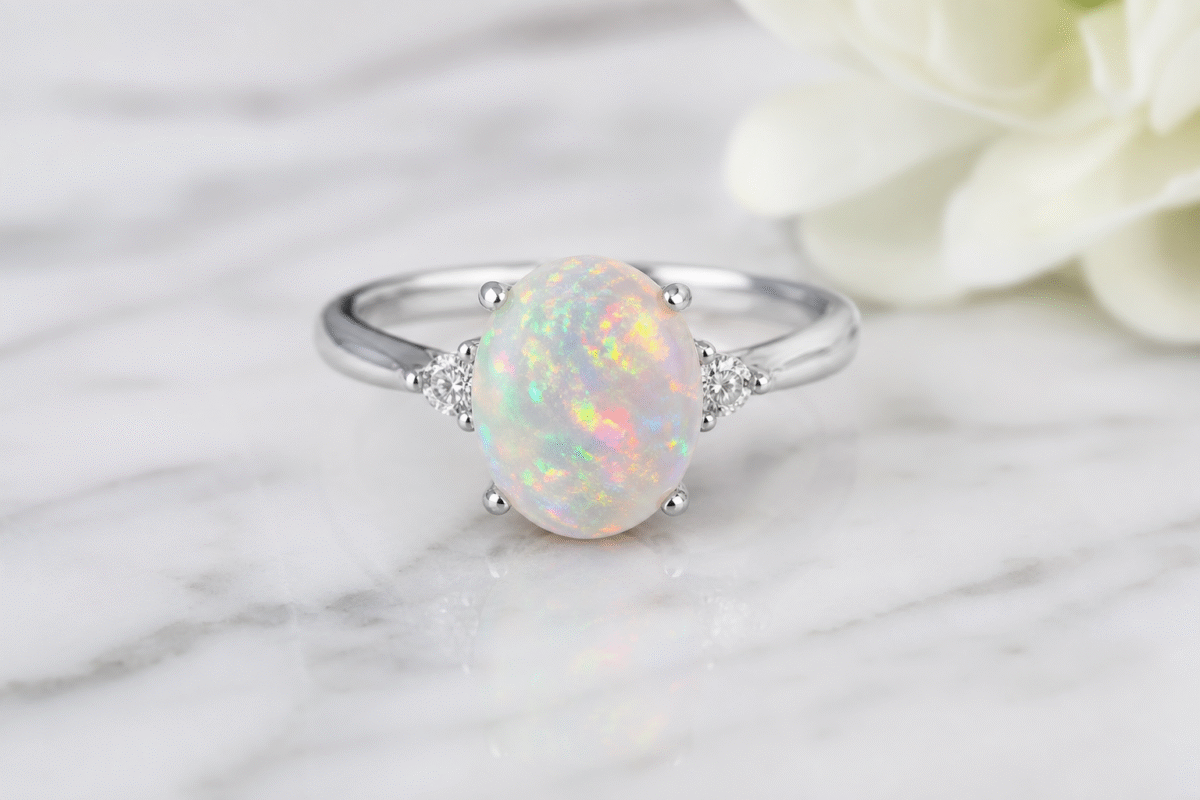
Opal rings are among the most visually captivating gemstone jewelry in the world. Known as the “gem of gems” since Roman times, opals are formed from silica gel that seeps into cracks and fissures in rocks, eventually hardening into this remarkable mineraloid. Unlike most gemstones, opals are not crystalline structures—they’re composed of tiny silica spheres that diffract light, creating the famous “play of color” that makes each opal unique.
The value of an opal ring depends on several factors: the intensity and range of its color play, the background color (black and dark body tones command higher prices), the pattern displayed (harlequin and pinfire are highly sought after), and the absence of cracks or crazing. According to the Gemological Institute of America (GIA), the most valuable opals display a full spectrum of colors with intense saturation.
Opals come from several sources worldwide. Ethiopia produces Welo opals known for their large size and dramatic color play, while Australia remains the source of the finest precious opals, particularly from the Lightning Ridge mine where black opals are mined. Mexico is famous for its fire opals, which range from honey yellow to vibrant orange-red.
part 1:
The Allure of the Teardrop Engagement Ring: A Cut That Captures Hearts
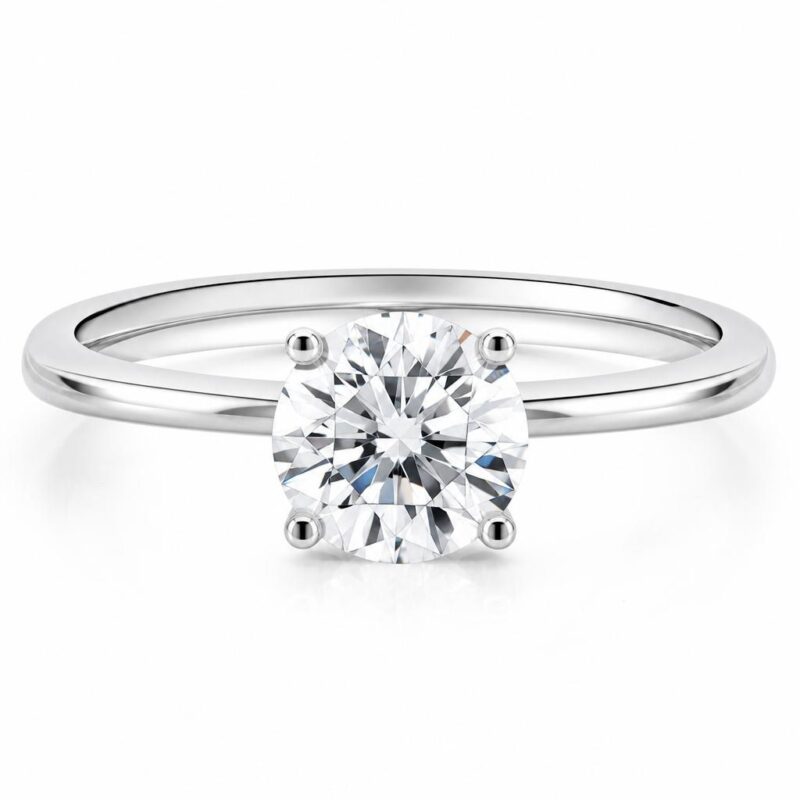
When it comes to choosing an engagement ring, the options are endless. But one style that continues to capture hearts and turn heads is the teardrop, or pear-shaped, engagement ring. Its unique silhouette strikes a perfect balance between vintage glamour and modern elegance, making it an ideal choice for those looking to convey their love with a touch of artistry and individuality.
A Brief History and Symbolism
The teardrop shape has a long, storied history. Named for its resemblance to a tear or droplet of water, the pear-shaped diamond first gained popularity in the late 19th and early 20th centuries, especially among royalty and high society. Its distinctive form symbolizes both tears of joy and the water of life—making it a profound emblem of profound emotion, renewal, and hope.
In the context of engagement rings, the teardrop symbolism can be deeply personal. It signifies the purity of love, the uniqueness of your bond, and a certain timeless elegance that stands out from more traditional round-cut rings. Its shape also hints at a sense of movement, lightness, and grace that reflects the personality of the wearer.
Design and Craftsmanship
One of the most captivating features of a teardrop engagement ring is its shape. The elongated form of the pear-shaped diamond or gemstone is inherently flattering—it can visually lengthen the finger, creating a sleek, elegant line that emphasizes grace. The pointed end and rounded curve lend themselves beautifully to intricate design choices, such as setting, metal type, and accompanying stones.
The design process for a teardrop ring can be tailored to reflect individual style. For example, some favor a solitaire setting that showcases the stone’s shape in its purest form, allowing its natural beauty to shine. Others prefer halo settings, where tiny diamonds encircle the main stone, adding brilliance and an extra layer of luxury.
Moreover, the cut quality of the pear-shaped diamond is pivotal. A well-cut teardrop diamond exhibits brilliance and fire, with facets arranged to maximize light return. The symmetry of the shape, from the rounded end to the pointed tip, enhances its visual harmony. Asymmetric or poorly proportioned pears can detract from its charm, so expert craftsmanship is key.
Material Choices and Customizations
While diamonds are the traditional choice, the teardrop shape lends itself beautifully to a variety of gemstones, including sapphires, rubies, emeralds, and even opals. Each choice imbues the ring with a different significance: sapphires evoke loyalty, rubies passion, and emeralds renewal. The color and clarity of the gemstone further influence its overall impact, making the ring a very personal statement.
Metal options for the band include classic platinum, white, yellow, or rose gold, each contributing a different mood. Rose gold adds warmth and romance, while platinum offers durability and a sleek look. The band’s design can be simple and understated or elaborately engraved with filigree or filigree details, depending on the wearer’s style.
Why Choose a Teardrop Engagement Ring?
Apart from its stunning aesthetics, the teardrop shape embodies a narrative of love that is both poetic and distinctive. It suits someone seeking an engagement ring that stands out—one that’s less common but rich with meaning. Its unique outline also lends itself well to various styles, from vintage-inspired designs to contemporary minimalism.
The versatility of a teardrop ring is remarkable. It looks equally stunning when paired with a diamond baguette accent, a delicate pavé band, or even combined with other gemstone accents for a personalized touch. The shape’s inherent elegance makes it adaptable to many fashion preferences, ensuring it remains timeless.
Accessorizing and Wearing Your Teardrop Ring
Wearing a teardrop engagement ring requires a thoughtful approach to styling. Because of its elongated form, it draws the eye along the finger, making it ideal for pairing with simple, elegant bands or stacking with delicate eternity rings. It also looks beautiful alongside other jewelry pieces—think dangling earrings that echo the shape or a pendant necklace that mimics the teardrop motif.
For those concerned about comfort, especially with pointed tips, protective settings can be crafted to shield the tip without compromising its aesthetic appeal. The ring’s versatility extends further with the possibility of custom sizing and setting arrangements, allowing each wearer to make it uniquely their own.
Choosing the Perfect Teardrop Ring
Selecting the right ring involves balancing cut quality, stone color, clarity, and personal style. It’s advisable to see the ring in person or through high-quality images before making a final decision, as the shape’s appeal can vary based on proportion and craftsmanship.
In summary, the teardrop engagement ring remains a captivating choice that symbolizes love, elegance, and individuality. Its vintage origins and modern adaptations imbue it with a timeless appeal—resonating with those who desire a ring that’s both beautiful and meaningful.
A Unique Symbol of Love
One of the most appealing aspects of the pear-shaped engagement ring is its uniqueness. While traditional round diamonds and oval stones are undeniably beautiful, the pear shape sets itself apart by offering something that feels personal and distinctive. A pear-shaped diamond is often seen as an expression of individuality, making it a perfect choice for couples who want their love to stand out.
The pear shape also holds a deeper symbolic meaning. The teardrop shape has long been associated with emotion, passion, and purity. In fact, many cultures have linked the pear shape to the flow of tears—both joyous and sorrowful—and the idea that love is a journey filled with moments of deep emotion. For couples who want their engagement ring to tell a story, the pear shape offers a way to infuse meaning and sentiment into the design.
Versatility in Setting Styles
When it comes to engagement rings, the setting is just as important as the diamond or gemstone itself. The pear shape’s versatility shines through in its ability to work with nearly every type of ring setting. Whether you envision a classic solitaire design, a halo setting that enhances the sparkle of the stone, or a more modern, vintage-inspired design, the pear-shaped stone can be incorporated seamlessly into any aesthetic.
For those who love the idea of extra sparkle, a halo setting is a perfect complement to the pear shape. The surrounding diamonds or gemstones serve to emphasize the unique teardrop shape of the center stone, making it appear even larger and more dazzling. Alternatively, the pear shape can be set in a three-stone design, with smaller diamonds on either side to symbolize the past, present, and future of your relationship.
Pear-Shaped Rings: A Celebrity Favorite
The pear-shaped engagement ring is not only loved by everyday couples, but it’s also a favorite among celebrities. Some of the most iconic and well-known figures in the entertainment world have been spotted wearing pear-shaped rings, further cementing their status as a symbol of luxury and sophistication. One notable example is the engagement ring of actress Blake Lively, who received a stunning pear-shaped diamond from her now-husband Ryan Reynolds. The ring’s unique shape and elegance quickly became the subject of widespread admiration and inspiration for brides-to-be.
Beyond celebrities, royals have also gravitated towards the pear-shaped engagement ring. The most notable example is the ring worn by the late Princess Diana, which featured a 12-carat oval sapphire surrounded by diamonds. While this ring wasn’t technically pear-shaped, its unique design set a precedent for non-traditional engagement rings, encouraging others to embrace individuality and personal style when choosing their own.
The Ideal Shape for Different Gemstones
While diamonds are the traditional choice for engagement rings, the pear shape also works beautifully with a variety of gemstones. For couples who want to veer away from the classic diamond, colored stones such as sapphires, emeralds, or rubies make for stunning alternatives. The pear shape enhances the natural color and clarity of these stones, creating an engagement ring that’s both vibrant and one-of-a-kind.
For those who want a truly unique piece, a pear-shaped engagement ring with a colored gemstone can evoke a sense of rare beauty and charm. Consider pairing a deep blue sapphire with a delicate diamond halo, or a rich red ruby surrounded by white diamonds. The contrast between the vibrant gemstone and the sparkle of the surrounding diamonds creates a dynamic look that’s perfect for a bold, yet elegant, style.
Choosing the Perfect Pear-Shaped Engagement Ring
When selecting a pear-shaped engagement ring, there are several factors to consider to ensure that it reflects your unique love story. One of the most important considerations is the diamond’s cut, as the quality of the cut will directly impact the ring’s overall brilliance and sparkle. Pear-shaped diamonds should be carefully cut to ensure that the shape is symmetrical and that the point of the diamond is well-defined. A well-cut pear diamond will maximize the stone’s brilliance, making it an eye-catching centerpiece.
The size of the diamond is also crucial, especially since pear-shaped stones often appear larger than their round counterparts due to their elongated shape. For those on a budget, a smaller pear-shaped diamond can still look just as impressive as a larger round diamond, offering a more affordable yet equally stunning alternative.
Pear-Shape: The Right Choice for Your Finger Shape
Another benefit of the pear-shaped engagement ring is its ability to complement various hand shapes. The elongated shape of the pear diamond naturally elongates the finger, creating a flattering effect for those with shorter fingers. Additionally, the tapered point at the bottom of the stone adds a touch of refinement and elegance. For those with longer fingers, the pear shape provides a balanced contrast to the hand’s proportions.
The beauty of the pear shape is that it works well with both delicate and bold designs, making it a versatile option for any woman’s personal style. Whether paired with a thin, simple band or a wide, intricate setting, a pear-shaped diamond will enhance the beauty of the overall design, making it a timeless choice for any bride-to-be.
Caring for Your Pear-Shaped Engagement Ring
As with any engagement ring, proper care is essential to ensure that your pear-shaped diamond stays sparkling and pristine for years to come. The unique shape of the pear-cut diamond can make it more susceptible to chipping if not properly cared for, particularly at the pointed tip. It’s important to ensure that your ring is stored safely when it’s not being worn, and regular cleaning will help maintain its shine and brilliance.
You can clean your pear-shaped engagement ring at home by gently brushing it with a soft toothbrush and a mixture of warm water and mild dish soap. However, for a deeper clean, it’s always a good idea to visit a professional jeweler who can inspect the ring and ensure that it’s in optimal condition.
Conclusion: A Timeless Choice for a Lifetime of Love
The pear-shaped engagement ring continues to captivate brides-to-be with its unique beauty, versatility, and elegance. Whether you choose a classic diamond, a vibrant colored gemstone, or a custom design, the pear shape offers a personal and timeless option for your engagement ring. Its rich history, emotional symbolism, and enduring appeal make it an ideal choice for couples who want a ring that reflects both their love and their individuality. With its ability to flatter the finger, enhance the natural brilliance of the stone, and complement a variety of settings, the pear-shaped engagement ring is the perfect symbol of love that will last a lifetime.
I hope this aligns with what you were looking for!
Types of Opal for Rings
Black Opal: The rarest and most valuable type, primarily from Lightning Ridge, Australia. Its dark body tone makes the color play appear more vivid and saturated.
White/Freeze Opal: From Australia’s Etheridge Creek, these have a white or pale body tone with exceptional color play, resembling a freeze-frame of colors.
Fire Opal: From Mexico, these translucent stones range from yellow to red, some displaying no color play but prized for their warm body color.
Crystal Opal: Transparent to translucent with excellent color visibility through the stone, valued for both beauty and durability in rings.
How to Care for Your Opal Ring
Opals are relatively soft stones (5.5-6.5 on the Mohs scale) and contain water (3-10%), making them delicate compared to diamonds or sapphires. Proper care ensures your opal ring remains beautiful for generations.
Avoid extreme temperature changes — sudden heat or cold can cause cracking. Remove your opal ring before swimming — chlorine damages the stone’s surface. Store separately from harder gems to prevent scratches. Clean with a soft, damp cloth — never use ultrasonic cleaners or harsh chemicals.
The International Gemological Society (IGS) recommends rehydrating your opal occasionally if you live in a dry climate. Place the stone near a water source (not directly in water) for a few hours every few months, then wipe gently with a soft cloth.
Why Choose an Opal Ring?
Opals symbolize hope, purity, and truth. As the October birthstone, they carry deep cultural significance across many traditions. No two opals are alike, making each opal ring a truly unique piece of jewelry. Many jewelry experts recommend opal rings for those who want something truly distinctive—your opal will be one-of-a-kind, just like the person wearing it.
At ETYGEM, we source certified natural opals from trusted mines worldwide, ensuring every ring meets the highest quality standards. Our collection includes everything from affordable everyday opal rings to investment-grade precious opal pieces.