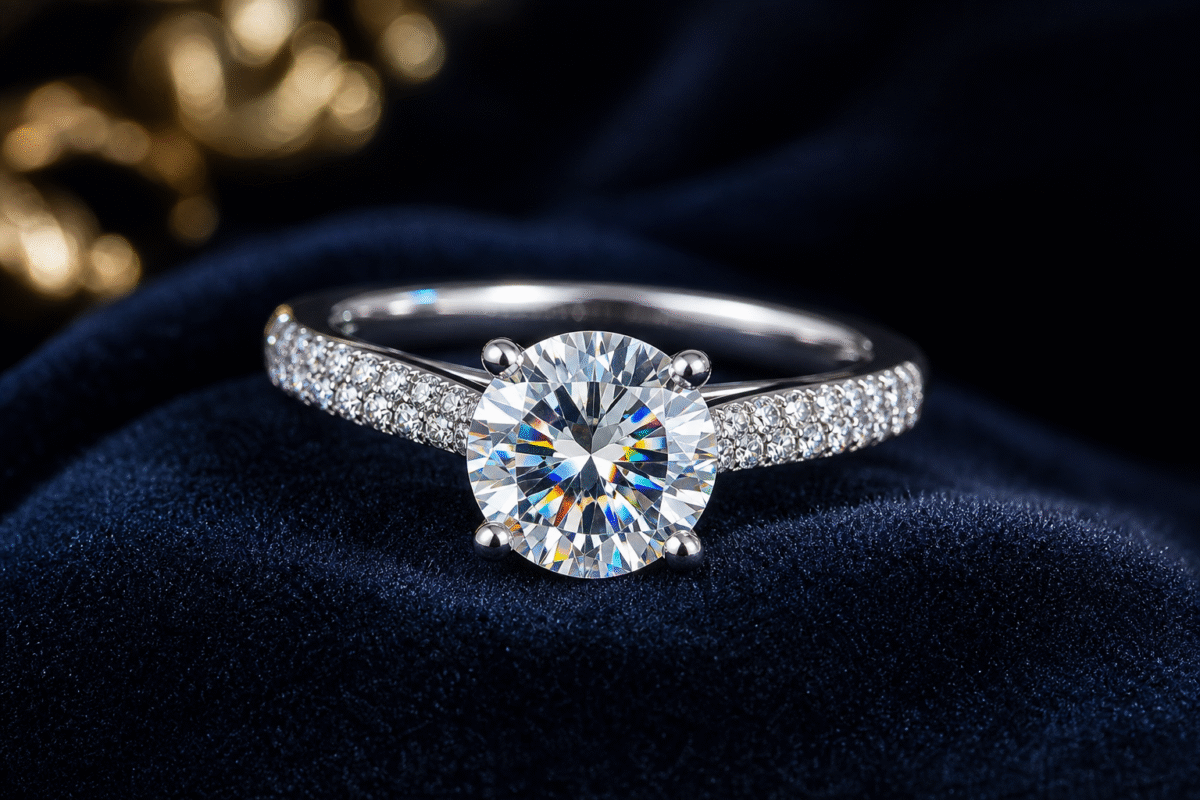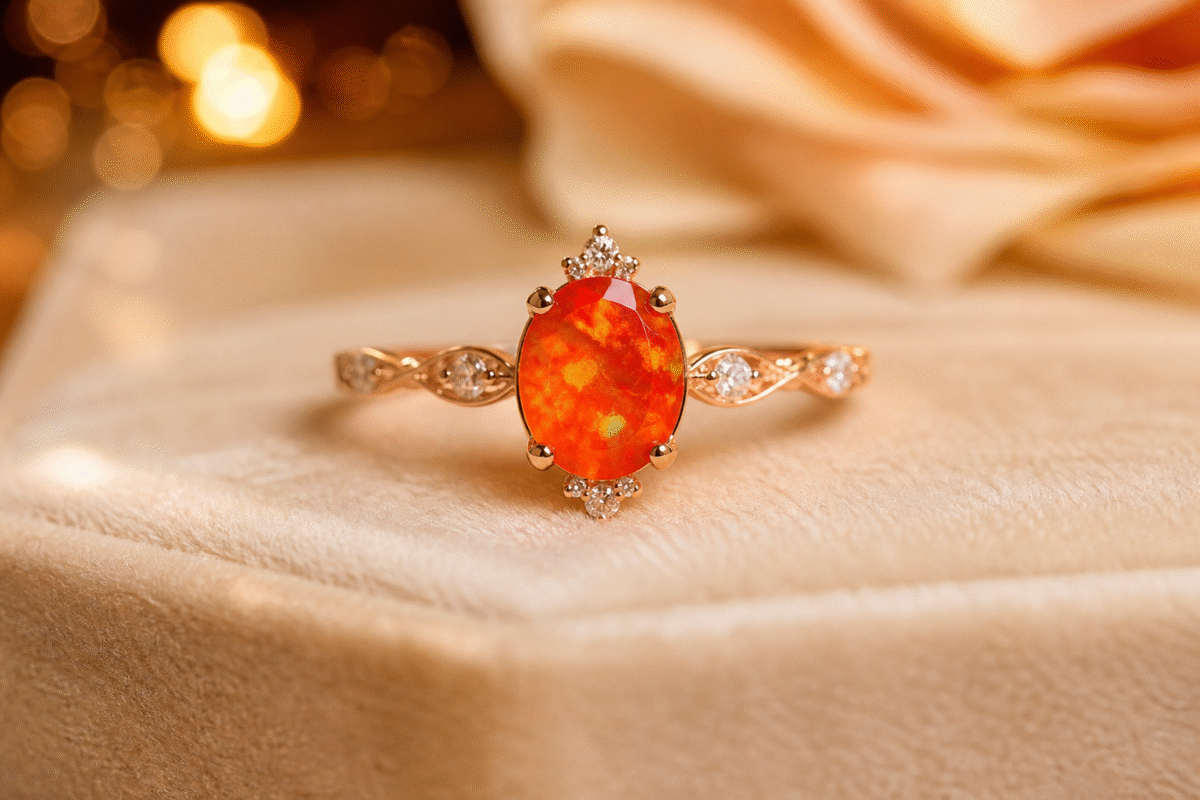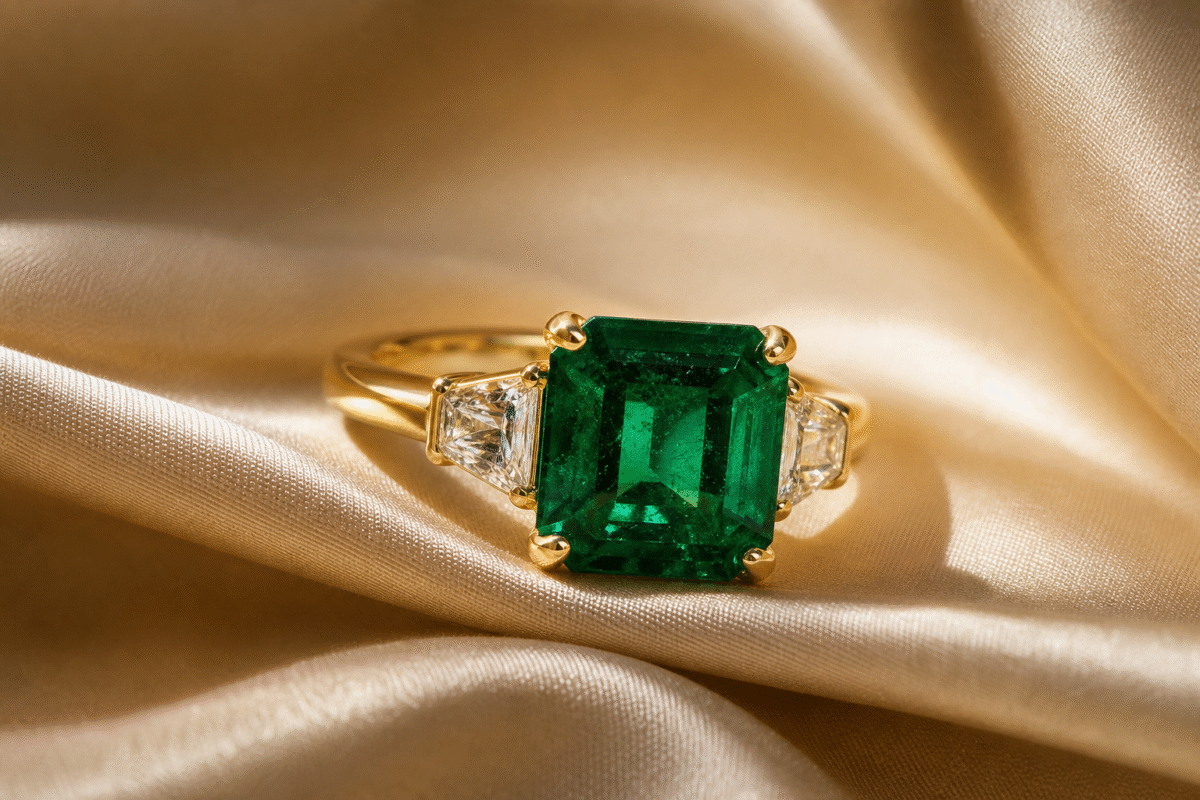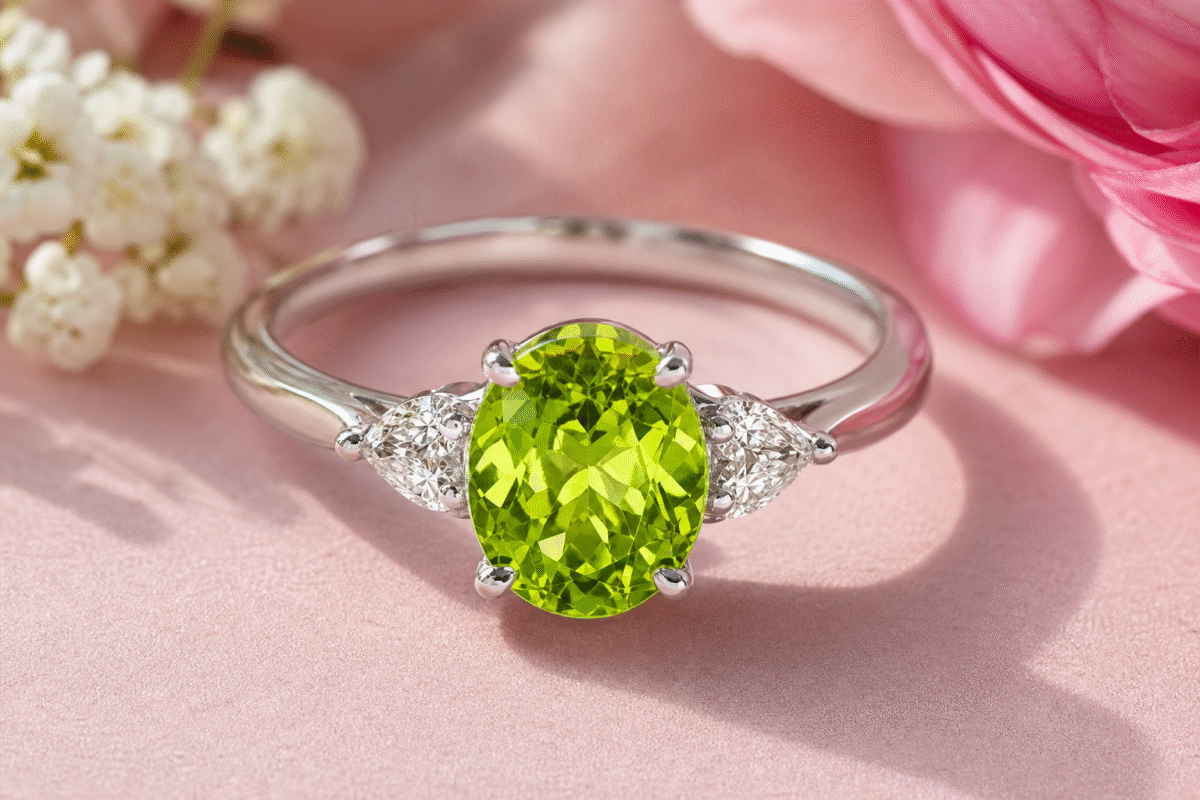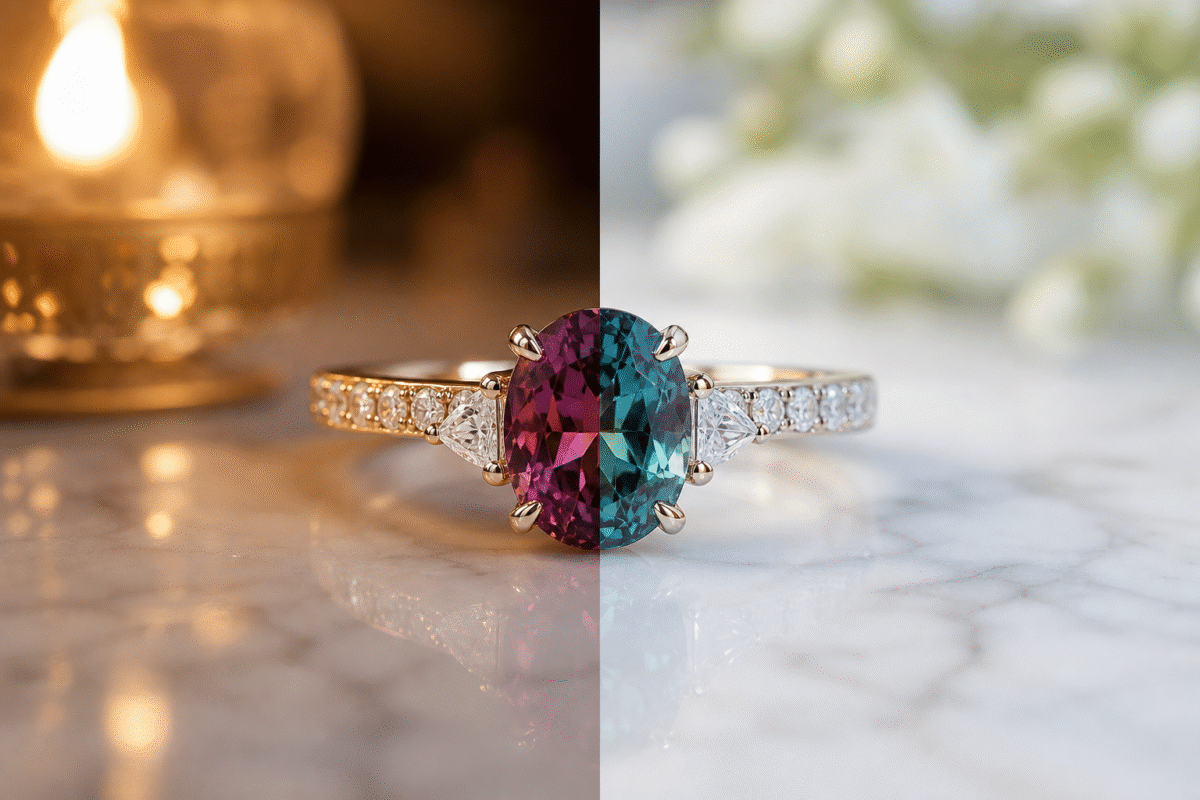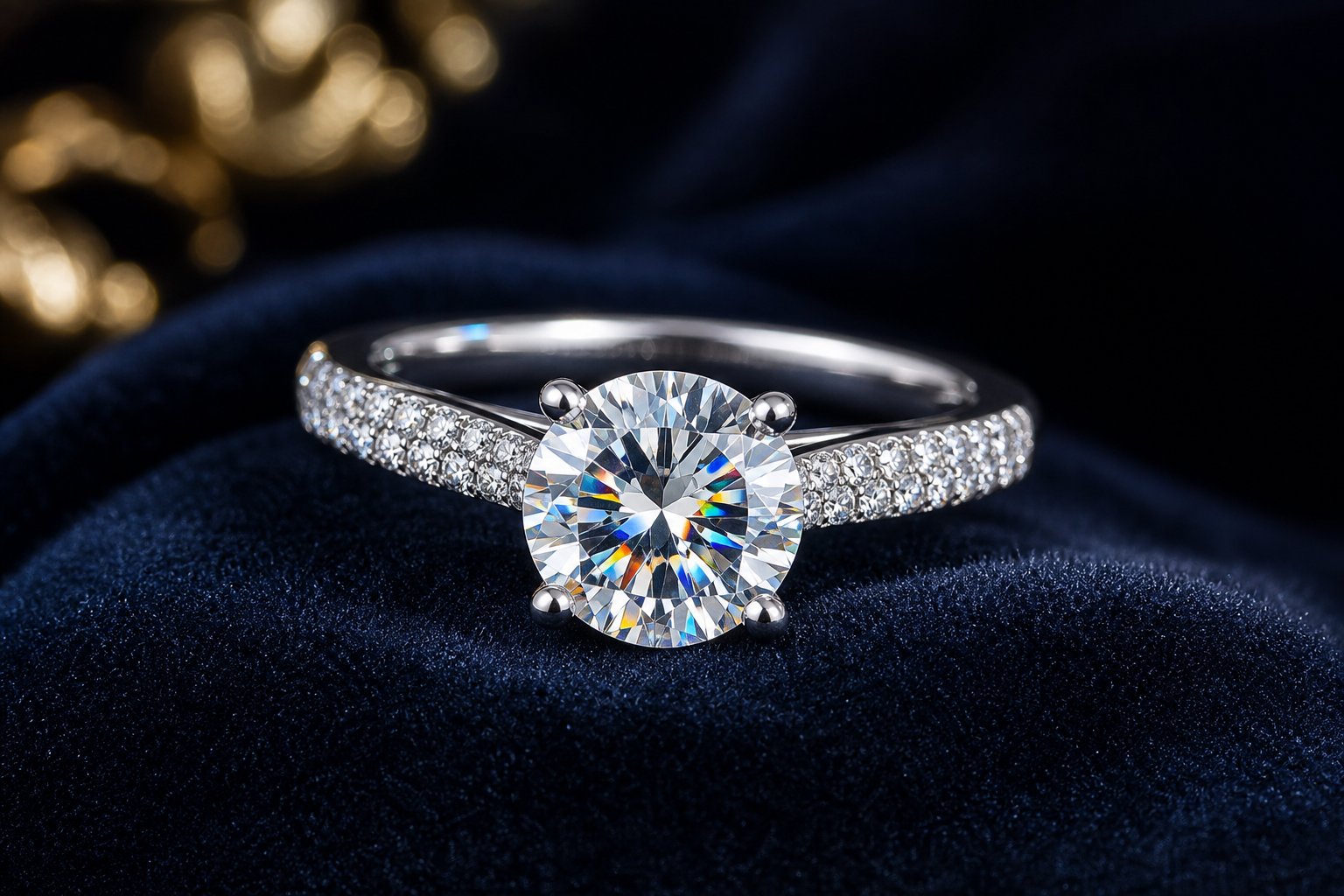
In the realm of engagement rings, diamonds have long reigned supreme—symbolizing eternal love, strength, and clarity. Yet, as society evolves and individual preferences grow more diverse, many couples are seeking alternatives that carry deeper meaning and a touch of personality. Enter the morganite engagement ring — a gemstone that has steadily gained popularity for its mesmerizing hue, gentleness, and romantic symbolism.
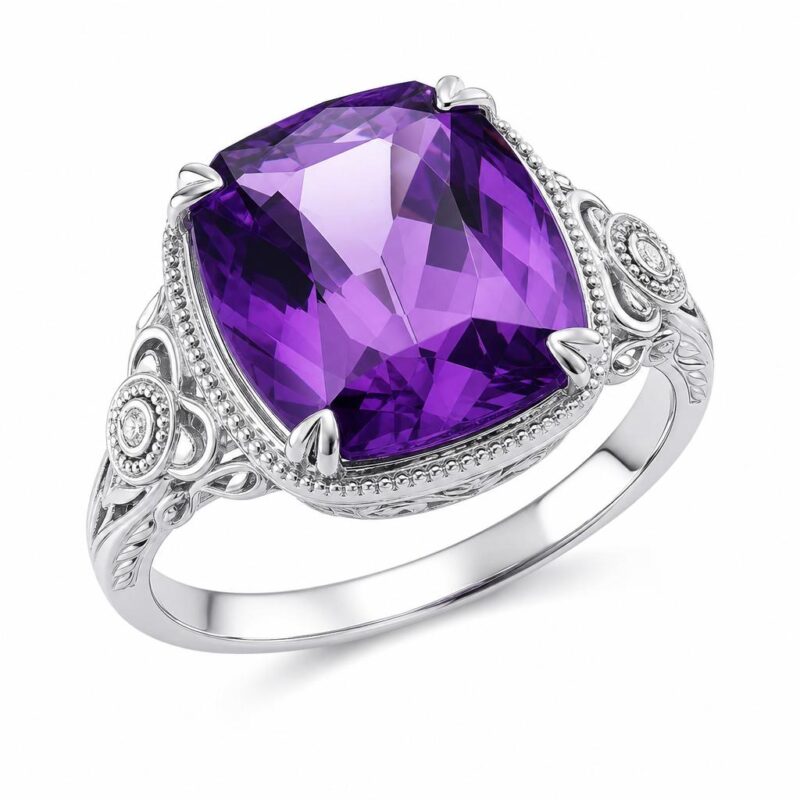
Morganite is a varietal of beryl, the same mineral family that includes emerald and aquamarine. Discovered in California in the early 20th century, morganite draws its name from J.P. Morgan, the notable American financier and collector of fine gemstones, who was instrumental in promoting this gemstone. Its delicate pink to peach tones evoke softness and warmth — a perfect reflection of love and tenderness, making it an ideal centerpiece for an engagement ring.
One of the first things that captivate anyone who encounters a morganite ring is its hue. Unlike the brilliant, icy sparkle of diamonds, morganite’s color is gentle yet striking. Its hues range from blush pink to peach, sometimes with a hint of champagne or coral. These tones are universally flattering, complementing a variety of skin tones and personal styles. The soft pastel palette also lends itself beautifully to vintage-inspired designs or modern minimalism, allowing for a versatile array of ring styles that can suit anyone’s taste.
Beyond its aesthetic appeal, morganite carries a rich symbolism that resonates deeply with many couples. Pink and peach shades are often associated with love, compassion, and emotional healing. The color itself is believed to inspire feelings of warmth, comfort, and positivity. For those who cherish personal significance in their jewelry, a morganite engagement ring can symbolize renewal, hope, and new beginnings—making it more than just a pretty shape, but a meaningful token of commitment.
Fashion-wise, morganite has become a darling among jewelry designers for its transparency and brilliance. Its natural clarity and subtle color allow it to catch the light beautifully, offering a captivating glow that rivals—sometimes even surpasses—that of diamonds. Many high-end jewelers now incorporate morganite into their collections, often paired with rose gold or platinum settings, which enhance its romantic hues and vintage charm.
Furthermore, morganite is generally more accessible than diamonds in terms of cost, allowing couples to opt for a larger, more striking stone without breaking the bank. This affordability makes it especially appealing for those who value uniqueness and want a ring that stands out without appearing overly ostentatious. With the increasing demand for sustainable and ethically sourced jewelry, morganite also presents an appealing choice, as it’s commonly mined in environmentally responsible ways compared to some traditional gemstones.
Design possibilities with morganite are virtually limitless. Whether you prefer a solitaire setting that emphasizes the stone’s natural beauty, an elaborate halo design with smaller accent stones, or vintage-inspired filigree bands, morganite can adapt effortlessly. Its soft color lends itself well to artistic, romantic design elements—think floral motifs, intricate detailing, or subtle engraving.
In the journey of choosing an engagement ring, personal connection is often paramount. The warm, inviting tones of morganite not only mirror the softness of love but also serve as a reflection of personality—those who gravitate toward these hues tend to value authenticity, individuality, and emotional depth. It’s a gemstone that invites conversations and compliments, often prompting questions and stories about its significance.
Another attractive aspect of morganite is its durability. With a hardness of 7.5 to 8 on the Mohs scale, it’s resilient enough for daily wear, especially when properly protected and set in secure prongs or bezel settings. While it requires some care—like avoiding harsh chemicals and extreme impacts—its toughness ensures that a morganite engagement ring can be cherished for decades, passing on family stories and memories.
As the demand for alternative engagement rings grows, the morganite option stands out as both a symbol and a statement. It challenges traditional notions, encouraging lovers to choose symbols that mirror their unique story and future. Whether you’re drawn to its romantic hue, its meaningful symbolism, or the innovative design possibilities it offers, a morganite engagement ring beckons with promise and charm.
In conclusion, this gemstone embodies a blend of elegance, emotion, and individuality. Its gentle color palette, symbolic richness, and adaptable design make it an increasingly popular choice for modern couples seeking a meaningful alternative to traditional diamonds. The journey to finding the perfect ring is deeply personal, and morganite’s enchanting presence ensures that this chapter of love will be remembered with beauty and grace.
As more couples explore alternative gemstones for their engagement rings, the versatility of morganite continues to shine. It’s not only about aesthetic appeal but also about choosing a piece that feels authentic and deeply personal. The rising trend toward sustainable and ethically sourced jewelry further bolsters morganite’s appeal, offering peace of mind alongside stunning beauty.
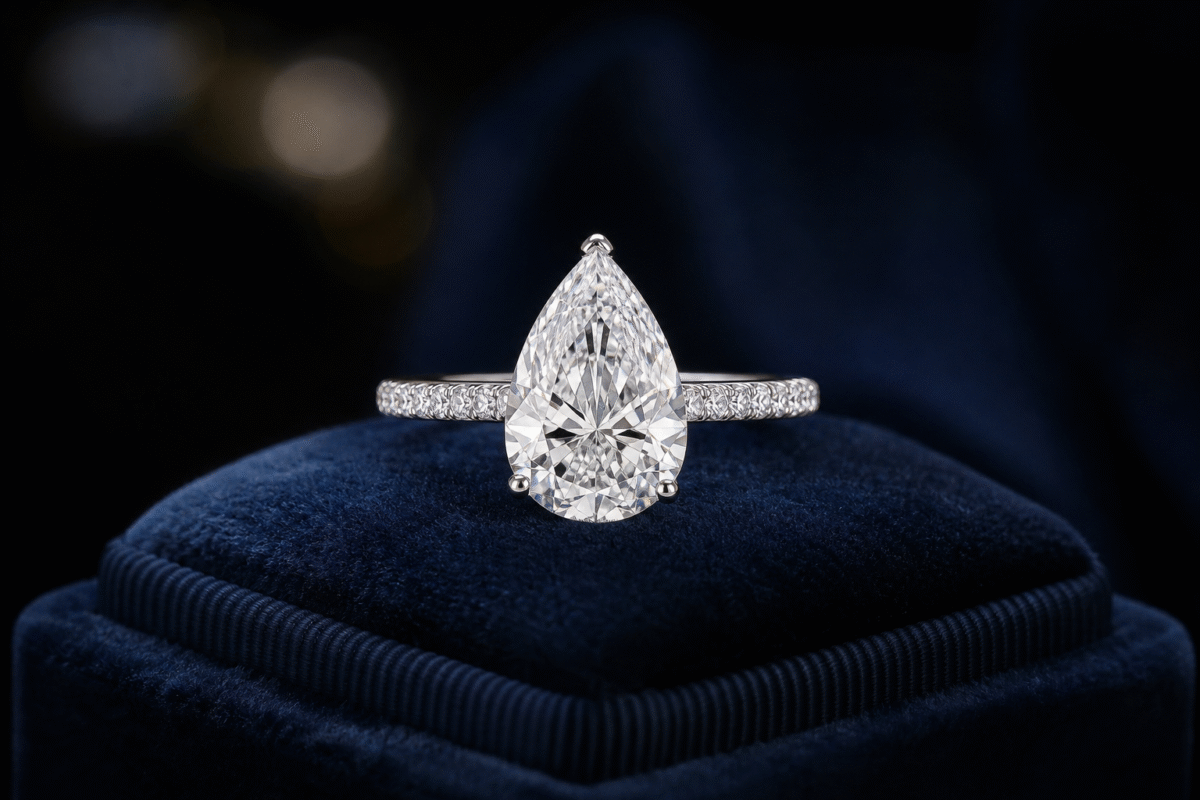
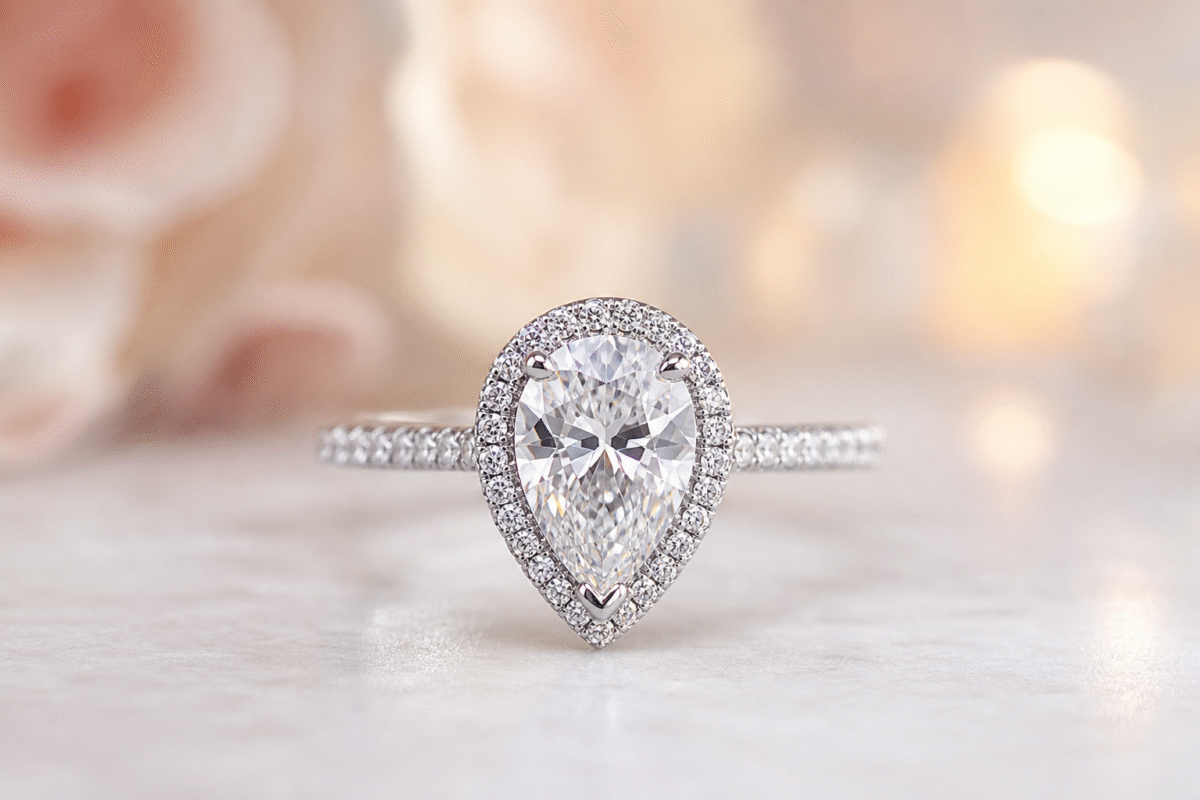
For those considering a morganite engagement ring, the options are varied and plentiful. High-quality morganite stones are available in a range of cut styles, from classic round brilliant and princess cuts to softer oval, cushion, or pear shapes. Each cut enhances the gem’s natural brilliance and emotional resonance differently, allowing for customization that echoes personal style. Pairing a morganite with a halo of small diamonds or sparkling sapphires can heighten its romantic aura, while a simple solitaire setting exudes understated elegance.
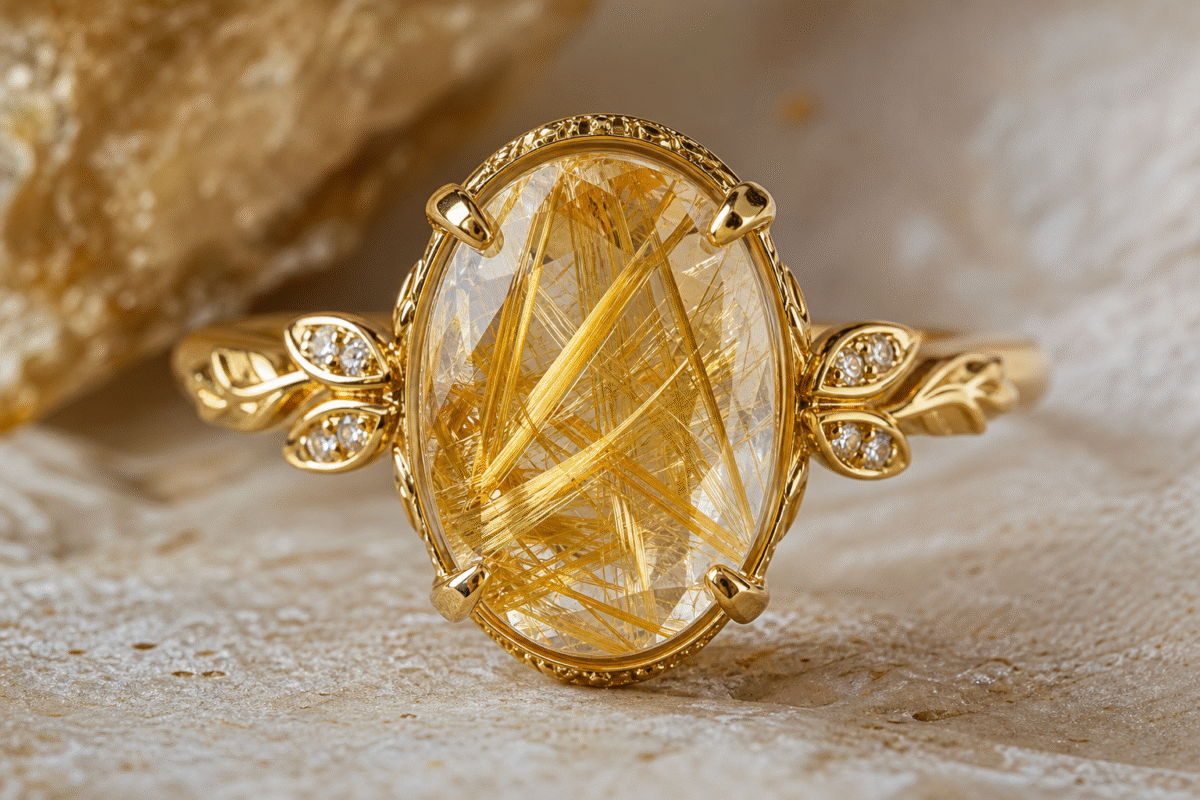
The choice of metal also plays a critical role in defining the ring’s overall aesthetic. Rose gold accentuates the pinkish hues of the morganite, creating a warm, vintage-inspired look perfect for romantic and whimsical themes. Platinum or white gold, on the other hand, introduces a sleek, modern contrast that highlights the gemstone’s gentle glow. Yellow gold lends a more traditional, classic charm, adding richness and depth to the overall design.
Personalization is a key aspect of modern engagement jewelry, and morganite lends itself beautifully to this trend. Incorporating engraved bands, personalized motifs, or even combining morganite with other gemstones can make the ring uniquely suited to the wearer’s personality. Couples often choose morganite not just for its aesthetic qualities but for the story it tells—about love, hope, and a commitment to individuality.
Beyond the initial choice of ring, caring for a morganite gemstone involves mindful practices. While it’s fairly hardy, avoiding extreme temperatures, harsh chemicals, and rough impacts helps maintain its brilliance. Regular cleaning with gentle solutions will keep the stone sparkling, and occasional professional check-ups ensure that the setting remains secure. With proper care, a morganite engagement ring can become a family heirloom, passed down through generations, each layer of love and history adding to its charm.
A popular alternative to traditional diamonds, morganite’s affordability opens up opportunities for bigger stones or additional accent pieces—think side diamonds or intricate band designs—that elevate the ring’s overall impact. For those who want a statement piece that is equally meaningful, pairing morganite with complementary gemstones like sapphires or pearls can enhance its uniqueness, reflecting the wearer’s personal tastes and values.
The emotional aspect of choosing a morganite ring is perhaps its most compelling feature. For many, selecting a gemstone with warm, gentle coloring symbolizes a different chapter in their love story—one marked by compassion, openness, and vulnerability. It’s a reminder that beauty can be found in subtlety and that love’s most resilient form is often tender and understated.
As societal awareness about sustainability and ethical sourcing continues to grow, more jewelers are establishing transparent supply chains for morganite, offering peace of mind to buyers. Many sources adhere to fair-mining practices and responsible sourcing standards, ensuring that your love symbol isn’t just beautiful but also conscientious.
In the grand scheme of wedding and engagement traditions, embracing a morganite engagement ring signifies a desire to stand out, to celebrate love in all its forms, and to honor the unique bond shared between partners. It’s a choice that communicates individuality and a modern outlook, wrapped in the timeless elegance of a gemstone that’s been enchanting humanity for over a century.
In the end, choosing a morganite engagement ring isn’t just about jewelry; it’s about creating a story of love, hope, and personal expression. Its delicate hue, symbolic richness, and versatile design help craft a symbol as unique as the love it represents. Whether set in a classic solitaire or an intricate vintage-inspired design, a morganite ring captures the heart with understated grace—making it a truly enchanting choice for the modern heartfelt commitment.
Related Articles
Continue reading for more gemstone guides:
- The Ultimate Guide to Opal Rings: Types, Colors, and Meaning
- Moss Agate Rings: Nature’s Beautiful Gemstone for Everyday Elegance
- Sapphire vs Ruby vs Emerald: Which Gemstone Ring Is Right for You?
- How to Care for Your Gemstone Jewelry: Expert Tips for Long-Lasting Beauty
What Are Opal Rings?
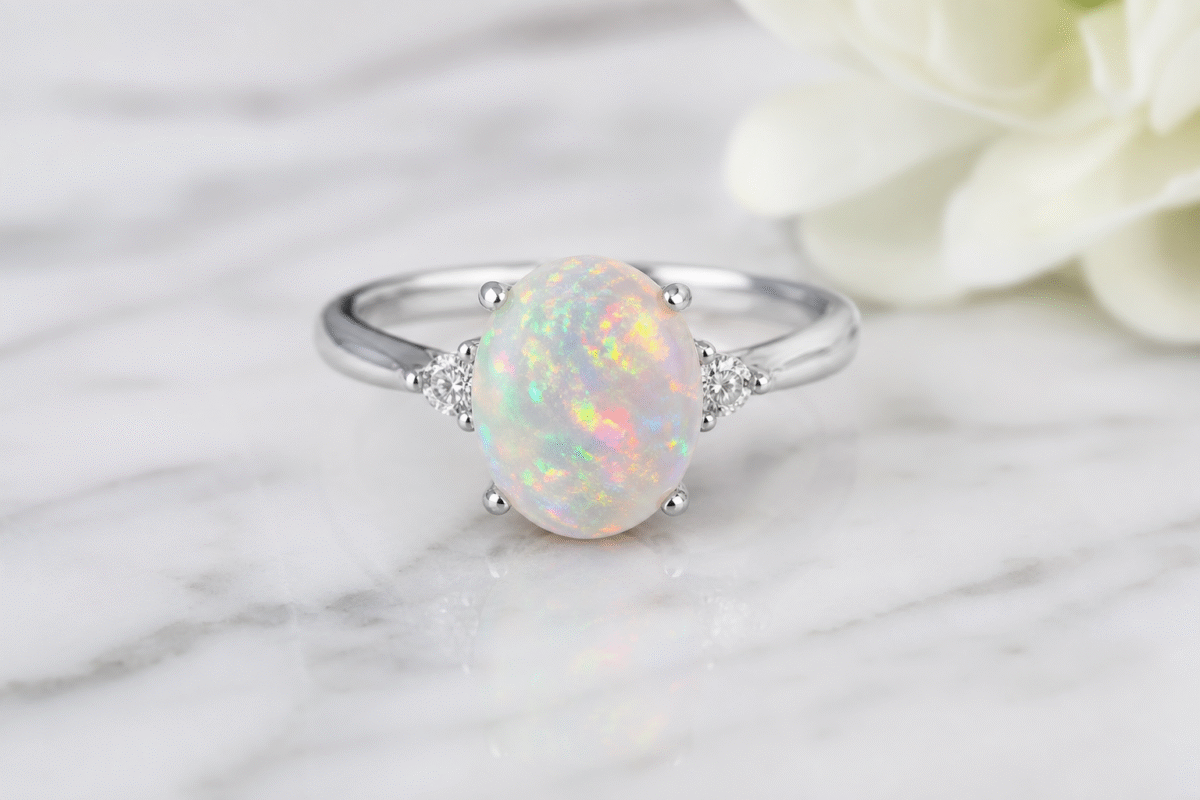
Opal rings are among the most visually captivating gemstone jewelry in the world. Known as the “gem of gems” since Roman times, opals are formed from silica gel that seeps into cracks and fissures in rocks, eventually hardening into this remarkable mineraloid. Unlike most gemstones, opals are not crystalline structures—they’re composed of tiny silica spheres that diffract light, creating the famous “play of color” that makes each opal unique.
The value of an opal ring depends on several factors: the intensity and range of its color play, the background color (black and dark body tones command higher prices), the pattern displayed (harlequin and pinfire are highly sought after), and the absence of cracks or crazing. According to the Gemological Institute of America (GIA), the most valuable opals display a full spectrum of colors with intense saturation.
Opals come from several sources worldwide. Ethiopia produces Welo opals known for their large size and dramatic color play, while Australia remains the source of the finest precious opals, particularly from the Lightning Ridge mine where black opals are mined. Mexico is famous for its fire opals, which range from honey yellow to vibrant orange-red.
Types of Opal for Rings
Black Opal: The rarest and most valuable type, primarily from Lightning Ridge, Australia. Its dark body tone makes the color play appear more vivid and saturated.
White/Freeze Opal: From Australia’s Etheridge Creek, these have a white or pale body tone with exceptional color play, resembling a freeze-frame of colors.
Fire Opal: From Mexico, these translucent stones range from yellow to red, some displaying no color play but prized for their warm body color.
Crystal Opal: Transparent to translucent with excellent color visibility through the stone, valued for both beauty and durability in rings.
How to Care for Your Opal Ring
Opals are relatively soft stones (5.5-6.5 on the Mohs scale) and contain water (3-10%), making them delicate compared to diamonds or sapphires. Proper care ensures your opal ring remains beautiful for generations.
Avoid extreme temperature changes — sudden heat or cold can cause cracking. Remove your opal ring before swimming — chlorine damages the stone’s surface. Store separately from harder gems to prevent scratches. Clean with a soft, damp cloth — never use ultrasonic cleaners or harsh chemicals.
The International Gemological Society (IGS) recommends rehydrating your opal occasionally if you live in a dry climate. Place the stone near a water source (not directly in water) for a few hours every few months, then wipe gently with a soft cloth.
Why Choose an Opal Ring?
Opals symbolize hope, purity, and truth. As the October birthstone, they carry deep cultural significance across many traditions. No two opals are alike, making each opal ring a truly unique piece of jewelry. Many jewelry experts recommend opal rings for those who want something truly distinctive—your opal will be one-of-a-kind, just like the person wearing it.
At ETYGEM, we source certified natural opals from trusted mines worldwide, ensuring every ring meets the highest quality standards. Our collection includes everything from affordable everyday opal rings to investment-grade precious opal pieces.
Opal Ring Settings
For ring wear, certain settings protect opals better than others. Halo settings surround the opal with smaller diamonds or gemstones, providing extra protection. Bezel settings encircle the stone with metal, offering maximum security. Three-stone settings with opal as the center stone create a beautiful combination with complementary side stones. Consider the metal choice too — yellow gold enhances warm opal colors, while white gold or platinum complements cooler tones.
Find Your Perfect Ring at ETYGEM
Ready to find the ring of your dreams? Our curated collection features hand-selected gemstones, expert craftsmanship, and competitive pricing. Browse our {cat} collection and discover the perfect piece that speaks to you.
Every ETYGEM purchase includes: certification of authenticity, lifetime warranty on the setting, free resizing, and 30-day hassle-free returns. Shop with confidence knowing you’re getting exceptional value and quality.
Frequently Asked Questions
What is the best gemstone for an engagement ring?
While diamonds remain the most popular choice, sapphires, moissanite, and morganite are excellent alternatives that offer similar durability at lower cost. The best choice depends on your personal style, budget, and values. For everyday durability, sapphires (9 Mohs) and moissanite (9.25 Mohs) are top choices alongside diamonds.
How should I care for my gemstone ring?
Clean your ring monthly with warm soapy water and a soft brush. Remove before swimming, cleaning, or heavy physical work. Have it professionally inspected every 6-12 months. Store separately from other jewelry to prevent scratches.
Are lab-created or natural gemstones better?
Both have advantages. Natural gemstones are formed over millions of years and have unique characteristics. Lab-created stones offer identical chemical composition at a lower price. At ETYGEM, we offer both options so you can choose what aligns with your values and budget.
What metal is best for a gemstone ring?
Platinum and white gold complement cool-toned stones like sapphires and diamonds. Yellow gold enhances warm stones like morganite and citrine. Rose gold creates beautiful contrast with both cool and warm stones. The best choice depends on your skin tone and personal style.
Does ETYGEM offer warranties and returns?
Yes! All ETYGEM rings come with a lifetime warranty on the setting, complimentary resizing, and a 30-day hassle-free return policy. We also provide certification of authenticity for all gemstones, ensuring you receive exactly what you paid for.