

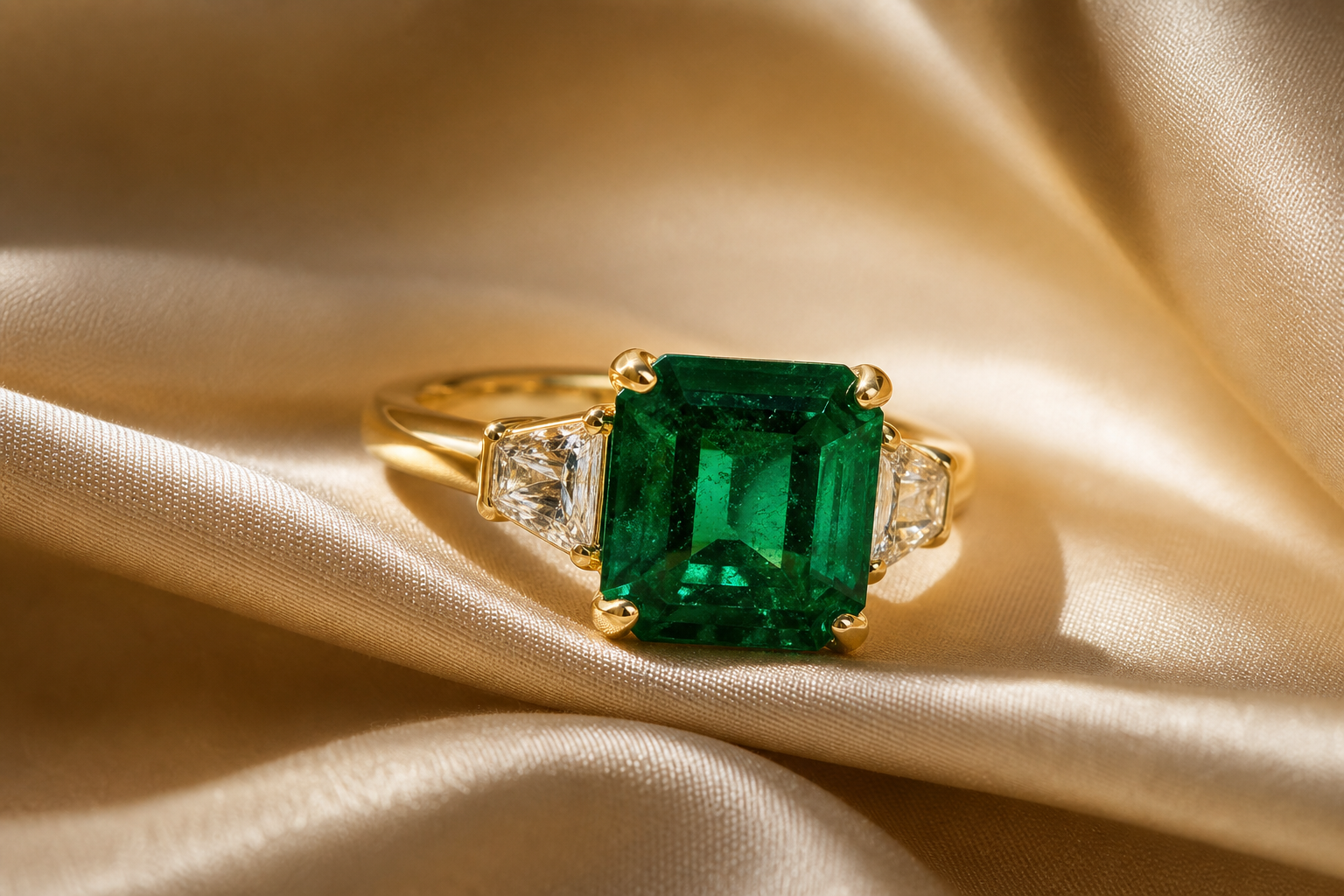
How to Choose the Perfect Gemstone Ring: Your Complete Expert Buying Guide
Choosing a gemstone ring is one of the most personal and exciting jewelry purchases you’ll ever make. Whether you’re shopping for an engagement ring, a birthday gift, or treating yourself, the sheer variety of gemstones, cuts, and settings can feel overwhelming.
This comprehensive guide will walk you through everything you need to know to choose the perfect gemstone ring — from understanding gemstone hardness and color to selecting the right setting and metal. By the end, you’ll have the confidence to find a gemstone ring that’s beautiful, durable, and perfectly suited to your needs.
Step 1: Consider the Purpose
Before diving into specific gemstones, think about what the ring will be worn for. The purpose dramatically affects which gemstone and setting you should choose.
Engagement Rings
For engagement rings, you want a gemstone that’s both beautiful and durable enough for daily wear. The best gemstones for engagement rings include:
– Moissanite (9.25 Mohs) — Exceptional brilliance, diamond-like appearance
– Sapphire (9 Mohs) — Classic choice, available in every color
– Ruby (9 Mohs) — The traditional red gemstone of love
– Diamond (10 Mohs) — The classic choice, though not a colored gemstone
Softer gemstones like opal (5.5-6.5) and moss agate (6.5-7) can work for engagement rings but benefit from protective settings like bezels.
Everyday Rings
For rings worn daily, prioritize durability. Choose gemstones rated 7 or higher on the Mohs hardness scale. Excellent choices include sapphire, ruby, moissanite, aquamarine (7.5-8), and citrine (7).
Occasional/Statement Rings
If the ring is for special occasions only, you can choose softer, more delicate gemstones. Opal, moonstone, and emerald make stunning statement rings that don’t need to withstand daily abuse.
Step 2: Understand Gemstone Hardness
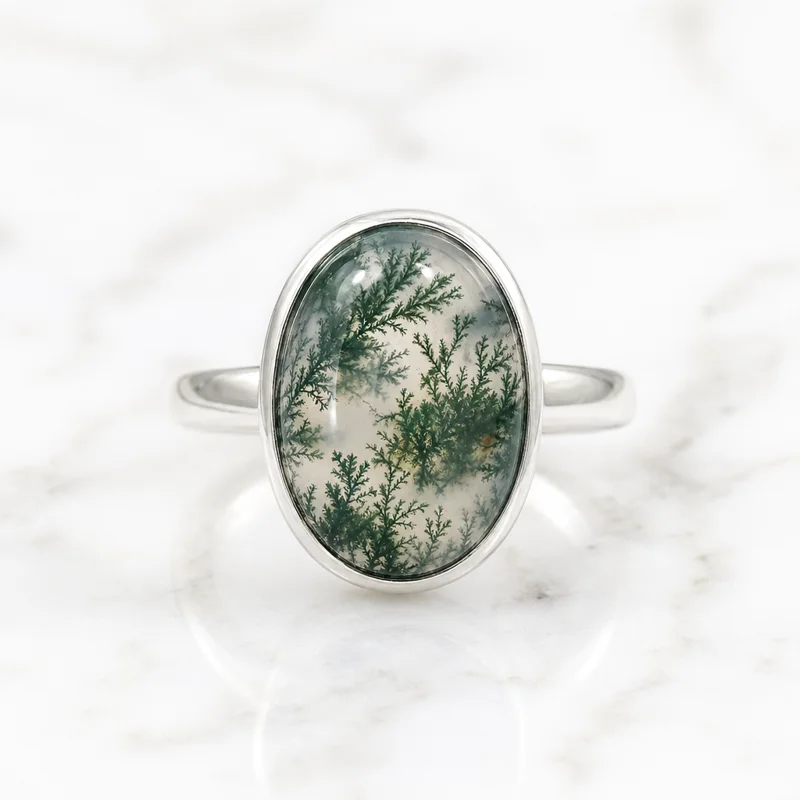
The Mohs hardness scale measures how resistant a gemstone is to scratching. This is crucial for rings, which are subject to daily wear and tear.
Hardness Guide for Ring Gemstones
| Hardness | Durability | Examples | Best For |
|---|---|---|---|
| 9-10 | Excellent | Diamond, Moissanite, Sapphire, Ruby | Daily wear, engagement rings |
| 7.5-8.9 | Very Good | Aquamarine, Tourmaline, Spinel | Daily wear |
| 7-7.4 | Good | Quartz varieties, Citrine, Amethyst | Daily wear with care |
| 6-6.9 | Fair | Opal, Moonstone, Peridot | Occasional wear, protective settings |
| Below 6 | Poor | Pearl, Turquoise, Coral | Necklaces/earrings only |
Rule of thumb: For any ring worn regularly, aim for 7+ on the Mohs scale. Below 7, the stone will scratch over time with normal wear.
Step 3: Choose Your Gemstone Color
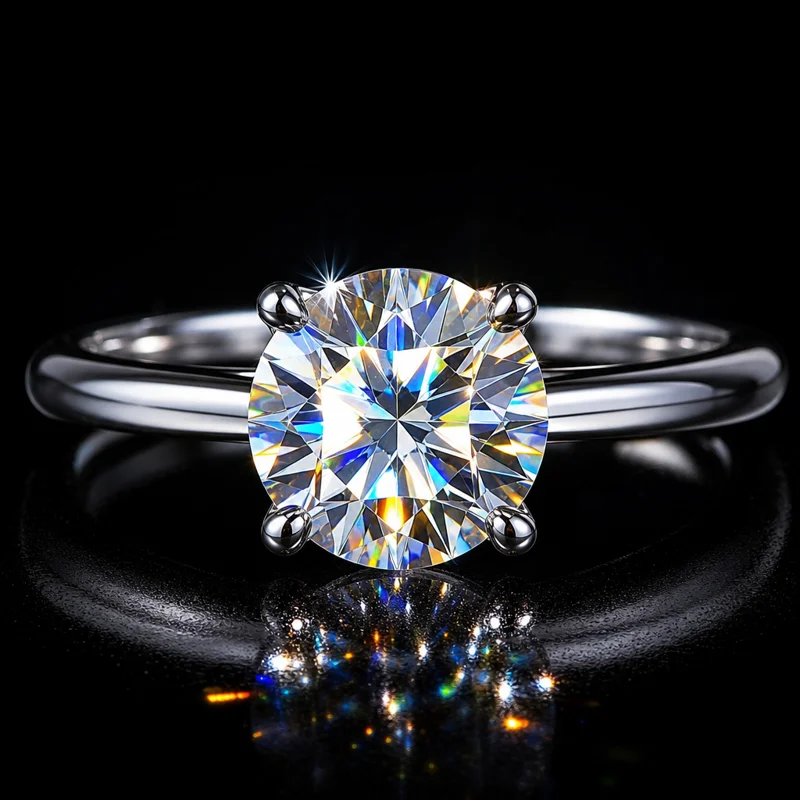
Gemstone rings come in virtually every color of the rainbow. Here’s how to choose:
By Birthstone
Traditional birthstones make meaningful gift choices:
– January: Garnet (deep red)
– February: Amethyst (purple)
– March: Aquamarine (light blue) or Bloodstone
– April: Clear Quartz (clear)
– May: Emerald (green) or Agate
– June: Pearl, Moonstone, or Alexandrite
– July: Ruby (red) or Peridot
– August: Peridot (green) or Spinel
– September: Sapphire (blue)
– October: Opal or Tourmaline
– November: Citrine (yellow) or Topaz
– December: Turquoise, Tanzanite, or Blue Topaz
By Personal Preference
Choose a color that complements your skin tone and wardrobe:
– Warm skin tones: Look for warm-colored gemstones like ruby, citrine, garnet, and amber
– Cool skin tones: Cool-colored gemstones like sapphire, amethyst, and aquamarine are flattering
– Neutral skin tones: You can wear any gemstone color beautifully
By Meaning
Many gemstones carry symbolic meanings:
– Ruby: Passion, love, courage
– Sapphire: Wisdom, loyalty, truth
– Emerald: Rebirth, love, luck
– Opal: Hope, purity, truth
– Moss Agate: Growth, abundance, connection to nature
– Moonstone: Intuition, feminine energy, new beginnings
Step 4: Select the Right Cut
The cut of a gemstone affects its brilliance, shape, and overall appearance.
Common Gemstone Cuts
Round Cut — Maximum brilliance, most popular choice. Works in every setting style.
Oval Cut — Elegant and elongating, makes fingers look slimmer. Our oval cut gemstone rings are particularly popular.
Cushion Cut — Soft, rounded square shape with a vintage feel. Great for moss agate and opal rings.
Pear Cut — Teardrop shape, romantic and unique. Flattering on most finger shapes.
Emerald Cut — Rectangular with stepped facets, emphasizes clarity over brilliance.
Cabochon — Smooth, domed surface with no facets. The traditional cut for opal, moonstone, and moss agate.
Step 5: Choose Your Metal
The metal setting affects both the appearance and durability of your gemstone ring.
Sterling Silver (925)
Our most popular choice. Sterling silver is:
– Affordable and accessible
– Hypoallergenic
– Pairs beautifully with all gemstone colors
– Easy to resize
– Requires occasional polishing to maintain shine
Gold-Plated
14K or 18K gold-plated silver offers:
– The warm appearance of solid gold at a fraction of the cost
– Rose gold, yellow gold, and white gold options
– Beautiful contrast with cool-colored gemstones
Solid Gold
For those who want investment-grade jewelry:
– 14K and 18K gold are durable and long-lasting
– Retains value better than plated options
– Requires less maintenance than silver
Step 6: Consider the Setting Style
The setting protects the gemstone and dramatically affects the ring’s appearance.
Prong Setting
Metal prongs hold the stone, allowing maximum light exposure. Best for brilliant gemstones like moissanite and sapphire.
Bezel Setting
A metal rim surrounds the stone, offering maximum protection. Ideal for softer gemstones like opal and moss agate, and perfect for active lifestyles.
Halo Setting
A circle of smaller stones surrounds the center gem, creating the illusion of a larger stone and adding extra sparkle.
Channel Setting
Gemstones are set into a channel in the metal band, creating a smooth, secure surface. Common in wedding bands.
Vintage Settings
Filigree, milgrain, and ornate metalwork create romantic, antique-inspired rings that pair beautifully with moss agate, opal, and other nature-inspired gemstones.
Step 7: Set Your Budget
Gemstone rings are available at every price point. Here’s what to expect:
Under $200
Fashion gemstone rings, smaller stones, silver settings. Great for stacking rings and trend-driven pieces.
$200-$500
Our sweet spot. Quality gemstone rings in sterling silver with well-cut stones. Most of our collection falls in this range.
$500-$1,000
Larger stones, premium gemstones (sapphire, ruby, emerald), gold settings.
$1,000+
Investment-grade gemstones, solid gold settings, designer pieces.
Pro tip: Don’t feel pressured to spend more than you’re comfortable with. A well-chosen $300 gemstone ring will bring you more joy than an uncomfortable $3,000 purchase.
Step 8: Know Your Ring Size
Getting the ring size right is essential. Here’s how to measure:
- Use a ring sizer — Available at most jewelry stores or online
- Measure an existing ring — Place it on a ring sizer or measure the inner diameter
- String method — Wrap a string around your finger, mark where it meets, and measure the length
Remember: Ring sizes vary by country. US sizes run 3-13, UK sizes run F-Z, and EU sizes run 14-62.
Popular Gemstone Ring Combinations
Here are some of our most popular gemstone ring combinations at ETYGEM:
Moss Agate + Sterling Silver — Earthy, natural, perfect for everyday elegance. Our moss agate ring collection features over 128 designs.
Opal + Sterling Silver — Mesmerizing play-of-color, unique and one-of-a-kind. With 149 opal ring designs, you’ll find your perfect match.
Moissanite + Sterling Silver — Diamond-like brilliance at an affordable price. 78 stunning moissanite ring designs to choose from.
Sapphire + Sterling Silver — Classic elegance in every color. Our sapphire ring collection offers 25 beautiful designs.
Final Checklist: Before You Buy
✅ Consider the purpose (engagement, everyday, occasional)
✅ Check the gemstone hardness (7+ for daily wear)
✅ Choose a color you love (birthstone, personal preference, or meaning)
✅ Select a cut that flatters your finger
✅ Pick a metal that suits your style and budget
✅ Choose a setting appropriate for the gemstone’s hardness
✅ Know your ring size
✅ Buy from a reputable seller with a return policy
Conclusion
Choosing the perfect gemstone ring comes down to understanding your needs, preferences, and budget. Whether you’re drawn to the fiery brilliance of moissanite, the mystical play-of-color of opal, the natural beauty of moss agate, or the timeless elegance of sapphire, there’s a gemstone ring waiting for you.
At ETYGEM, every gemstone ring is handcrafted with care in sterling silver, designed to bring beauty and meaning to your everyday life. Browse our collection and find the gemstone ring that speaks to your heart.
Internal Links
- Opal Rings Collection
- Moss Agate Rings Collection
- Moissanite Rings Collection
- Sapphire Rings Collection
- Engagement Rings
- Wedding Rings
- Blog: The Ultimate Guide to Opal Rings
- Blog: Moss Agate Rings Guide
FAQ Section (for Schema Markup)
Q: What is the hardest gemstone for a ring?
A: Diamond is the hardest gemstone at 10 on the Mohs scale. Moissanite is second at 9.25, followed by sapphire and ruby at 9. All of these are excellent choices for engagement rings and daily wear.Q: What gemstone is best for an engagement ring?
A: The best gemstones for engagement rings are those with high hardness (8+) and excellent durability. Moissanite is the most popular choice due to its diamond-like brilliance and affordability. Sapphire and ruby are traditional alternatives. Opal and moss agate can work with protective settings.Q: How do I know what gemstone ring size I need?
A: Use a ring sizer, measure an existing ring’s inner diameter, or visit a jewelry store for professional sizing. Remember that ring sizes vary by country (US, UK, EU).Q: Are gemstone rings durable enough for everyday wear?
A: It depends on the gemstone. Gemstones rated 7+ on the Mohs scale (sapphire, ruby, moissanite, aquamarine, citrine) are durable for everyday wear. Softer stones like opal (5.5-6.5) and moonstone (6-6.5) are better for occasional wear or protective settings.Q: What is the most affordable gemstone for a ring?
A: Quartz varieties (amethyst, citrine, rose quartz) and moss agate are among the most affordable gemstones. At ETYGEM, our sterling silver gemstone rings start around $400, offering excellent quality at accessible prices.What Are Opal Rings?
A: The best gemstones for engagement rings are those with high hardness (8+) and excellent durability. Moissanite is the most popular choice due to its diamond-like brilliance and affordability. Sapphire and ruby are traditional alternatives. Opal and moss agate can work with protective settings.
Q: How do I know what gemstone ring size I need?
A: Use a ring sizer, measure an existing ring’s inner diameter, or visit a jewelry store for professional sizing. Remember that ring sizes vary by country (US, UK, EU).Q: Are gemstone rings durable enough for everyday wear?
A: It depends on the gemstone. Gemstones rated 7+ on the Mohs scale (sapphire, ruby, moissanite, aquamarine, citrine) are durable for everyday wear. Softer stones like opal (5.5-6.5) and moonstone (6-6.5) are better for occasional wear or protective settings.Q: What is the most affordable gemstone for a ring?
A: Quartz varieties (amethyst, citrine, rose quartz) and moss agate are among the most affordable gemstones. At ETYGEM, our sterling silver gemstone rings start around $400, offering excellent quality at accessible prices.What Are Opal Rings?
A: It depends on the gemstone. Gemstones rated 7+ on the Mohs scale (sapphire, ruby, moissanite, aquamarine, citrine) are durable for everyday wear. Softer stones like opal (5.5-6.5) and moonstone (6-6.5) are better for occasional wear or protective settings.
Q: What is the most affordable gemstone for a ring?
A: Quartz varieties (amethyst, citrine, rose quartz) and moss agate are among the most affordable gemstones. At ETYGEM, our sterling silver gemstone rings start around $400, offering excellent quality at accessible prices.What Are Opal Rings?
Opal rings are among the most visually captivating gemstone jewelry in the world. Known as the “gem of gems” since Roman times, opals are formed from silica gel that seeps into cracks and fissures in rocks, eventually hardening into this remarkable mineraloid. Unlike most gemstones, opals are not crystalline structures—they’re composed of tiny silica spheres that diffract light, creating the famous “play of color” that makes each opal unique.
The value of an opal ring depends on several factors: the intensity and range of its color play, the background color (black and dark body tones command higher prices), the pattern displayed (harlequin and pinfire are highly sought after), and the absence of cracks or crazing. According to the Gemological Institute of America (GIA), the most valuable opals display a full spectrum of colors with intense saturation.
Opals come from several sources worldwide. Ethiopia produces Welo opals known for their large size and dramatic color play, while Australia remains the source of the finest precious opals, particularly from the Lightning Ridge mine where black opals are mined. Mexico is famous for its fire opals, which range from honey yellow to vibrant orange-red.
Types of Opal for Rings
Black Opal: The rarest and most valuable type, primarily from Lightning Ridge, Australia. Its dark body tone makes the color play appear more vivid and saturated.
White/Freeze Opal: From Australia’s Etheridge Creek, these have a white or pale body tone with exceptional color play, resembling a freeze-frame of colors.
Fire Opal: From Mexico, these translucent stones range from yellow to red, some displaying no color play but prized for their warm body color.
Crystal Opal: Transparent to translucent with excellent color visibility through the stone, valued for both beauty and durability in rings.
How to Care for Your Opal Ring
Opals are relatively soft stones (5.5-6.5 on the Mohs scale) and contain water (3-10%), making them delicate compared to diamonds or sapphires. Proper care ensures your opal ring remains beautiful for generations.
Avoid extreme temperature changes — sudden heat or cold can cause cracking. Remove your opal ring before swimming — chlorine damages the stone’s surface. Store separately from harder gems to prevent scratches. Clean with a soft, damp cloth — never use ultrasonic cleaners or harsh chemicals.
The International Gemological Society (IGS) recommends rehydrating your opal occasionally if you live in a dry climate. Place the stone near a water source (not directly in water) for a few hours every few months, then wipe gently with a soft cloth.
Why Choose an Opal Ring?
Opals symbolize hope, purity, and truth. As the October birthstone, they carry deep cultural significance across many traditions. No two opals are alike, making each opal ring a truly unique piece of jewelry. Many jewelry experts recommend opal rings for those who want something truly distinctive—your opal will be one-of-a-kind, just like the person wearing it.
At ETYGEM, we source certified natural opals from trusted mines worldwide, ensuring every ring meets the highest quality standards. Our collection includes everything from affordable everyday opal rings to investment-grade precious opal pieces.
Opal Ring Settings
For ring wear, certain settings protect opals better than others. Halo settings surround the opal with smaller diamonds or gemstones, providing extra protection. Bezel settings encircle the stone with metal, offering maximum security. Three-stone settings with opal as the center stone create a beautiful combination with complementary side stones. Consider the metal choice too — yellow gold enhances warm opal colors, while white gold or platinum complements cooler tones.
Find Your Perfect Ring at ETYGEM
Ready to find the ring of your dreams? Our curated collection features hand-selected gemstones, expert craftsmanship, and competitive pricing. Browse our {cat} collection and discover the perfect piece that speaks to you.
Every ETYGEM purchase includes: certification of authenticity, lifetime warranty on the setting, free resizing, and 30-day hassle-free returns. Shop with confidence knowing you’re getting exceptional value and quality.
Frequently Asked Questions
What is the best gemstone for an engagement ring?
While diamonds remain the most popular choice, sapphires, moissanite, and morganite are excellent alternatives that offer similar durability at lower cost. The best choice depends on your personal style, budget, and values. For everyday durability, sapphires (9 Mohs) and moissanite (9.25 Mohs) are top choices alongside diamonds.
How should I care for my gemstone ring?
Clean your ring monthly with warm soapy water and a soft brush. Remove before swimming, cleaning, or heavy physical work. Have it professionally inspected every 6-12 months. Store separately from other jewelry to prevent scratches.
Are lab-created or natural gemstones better?
Both have advantages. Natural gemstones are formed over millions of years and have unique characteristics. Lab-created stones offer identical chemical composition at a lower price. At ETYGEM, we offer both options so you can choose what aligns with your values and budget.
What metal is best for a gemstone ring?
Platinum and white gold complement cool-toned stones like sapphires and diamonds. Yellow gold enhances warm stones like morganite and citrine. Rose gold creates beautiful contrast with both cool and warm stones. The best choice depends on your skin tone and personal style.
Does ETYGEM offer warranties and returns?
Yes! All ETYGEM rings come with a lifetime warranty on the setting, complimentary resizing, and a 30-day hassle-free return policy. We also provide certification of authenticity for all gemstones, ensuring you receive exactly what you paid for.
{
“@context”: “https://schema.org”,
“@type”: “FAQPage”,
“mainEntity”: [
{
“@type”: “Question”,
“name”: “What is the best gemstone for an engagement ring?”,
“acceptedAnswer”: {
“@type”: “Answer”,
“text”: “While diamonds remain the most popular choice, sapphires, moissanite, and morganite are excellent alternatives that offer similar durability at lower cost. The best choice depends on your personal style, budget, and values.”
}
},
{
“@type”: “Question”,
“name”: “How should I care for my gemstone ring?”,
“acceptedAnswer”: {
“@type”: “Answer”,
“text”: “Clean your ring monthly with warm soapy water and a soft brush. Remove before swimming, cleaning, or heavy physical work. Have it professionally inspected every 6-12 months. Store separately from other jewelry to prevent scratches.”
}
},
{
“@type”: “Question”,
“name”: “Are lab-created or natural gemstones better?”,
“acceptedAnswer”: {
“@type”: “Answer”,
“text”: “Both have advantages. Natural gemstones are formed over millions of years and have unique characteristics. Lab-created stones offer identical chemical composition at a lower price. At ETYGEM, we offer both options so you can choose what aligns with your values and budget.”
}
},
{
“@type”: “Question”,
“name”: “What metal is best for a gemstone ring?”,
“acceptedAnswer”: {
“@type”: “Answer”,
“text”: “Platinum and white gold complement cool-toned stones like sapphires and diamonds. Yellow gold enhances warm stones like morganite and citrine. Rose gold creates beautiful contrast with both cool and warm stones.”
}
},
{
“@type”: “Question”,
“name”: “Does ETYGEM offer warranties and returns?”,
“acceptedAnswer”: {
“@type”: “Answer”,
“text”: “Yes! All ETYGEM rings come with a lifetime warranty on the setting, complimentary resizing, and a 30-day hassle-free return policy. We also provide certification of authenticity for all gemstones.”
}
}
]
}