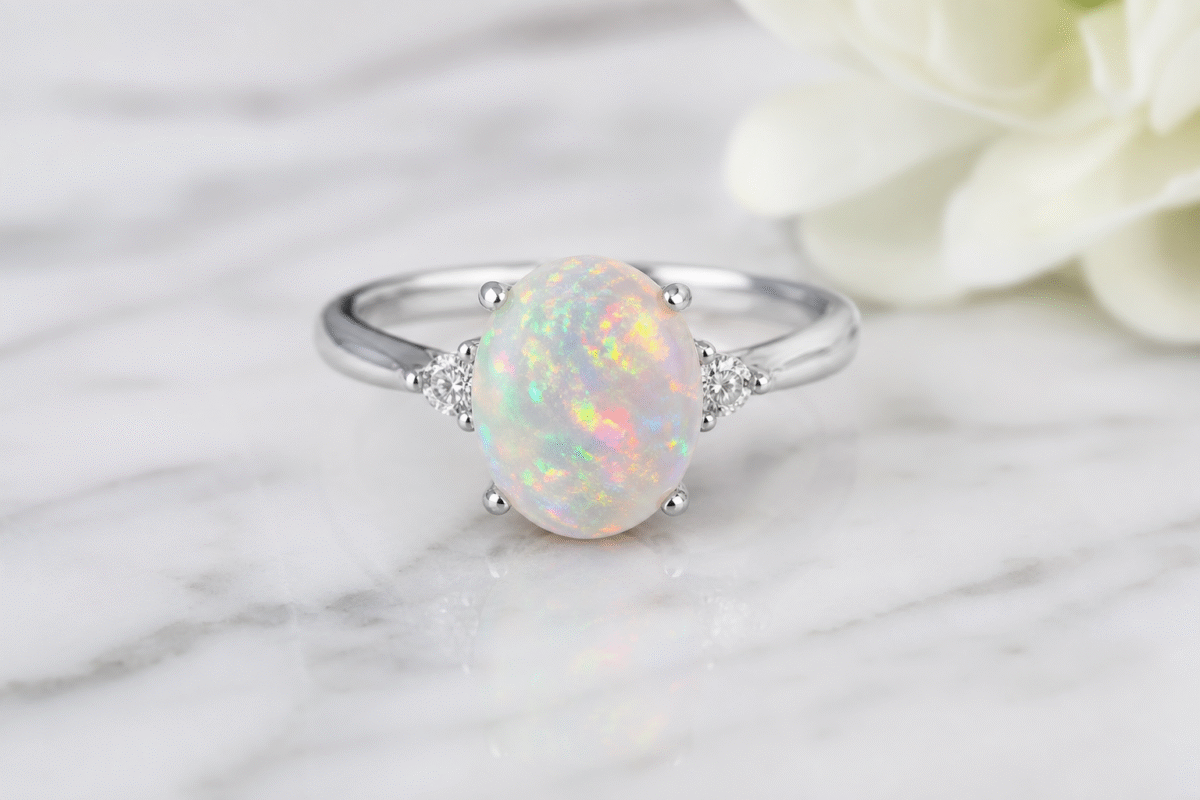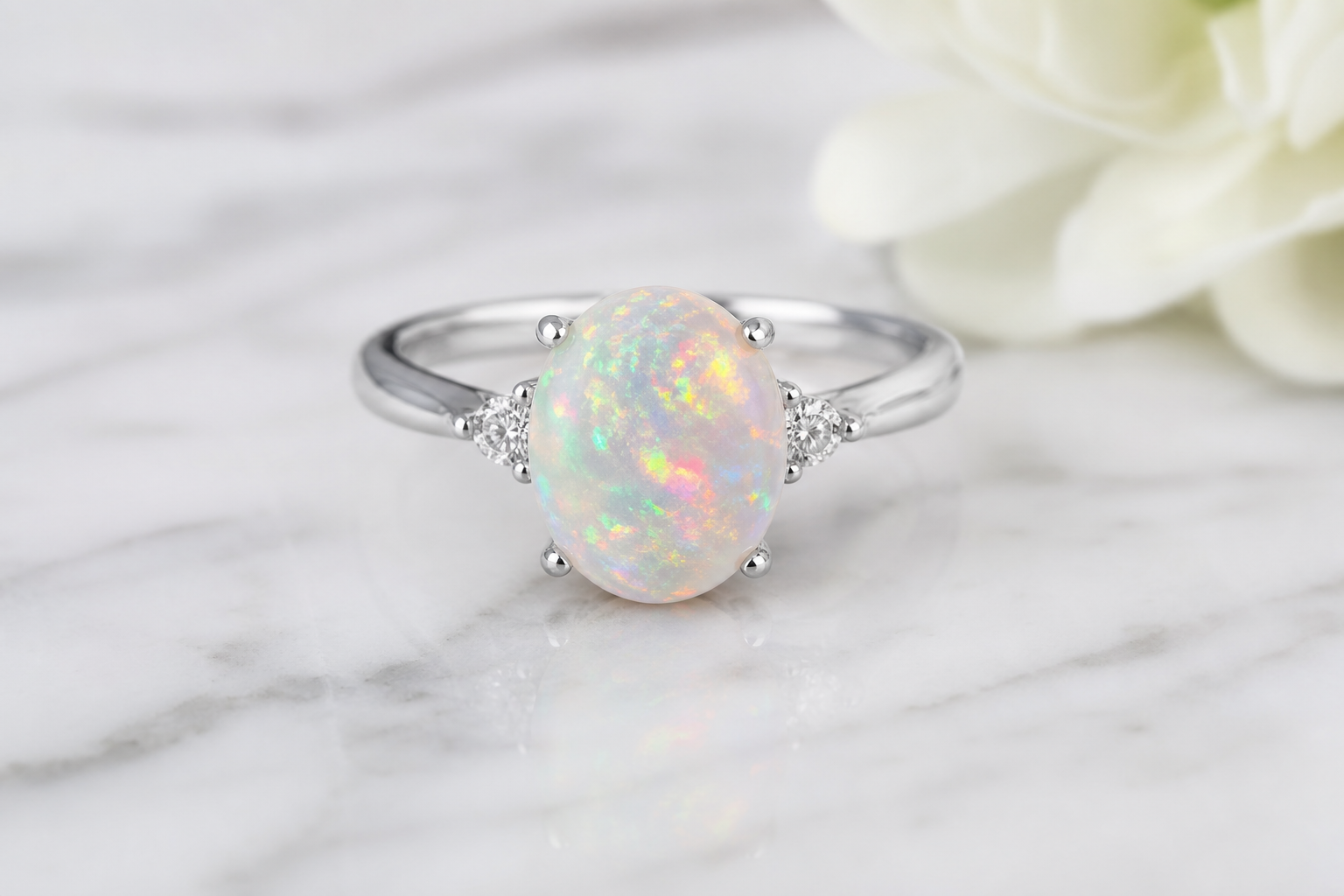
In the realm of wedding jewelry, few pieces possess the mystical allure and rich symbolism of an opal wedding band. Imagine a ring that captures the entire spectrum of colors, reflecting light with an almost hypnotic shimmer—this is the magic of opal. Adorning a marriage is a commitment rooted in love, and what better way to symbolize that than with a gemstone that embodies passion, creativity, and magic? An opal wedding band isn’t just a piece of jewelry; it’s an expression of individuality, a celebration of beauty, and a testament to the uniqueness of your love story.
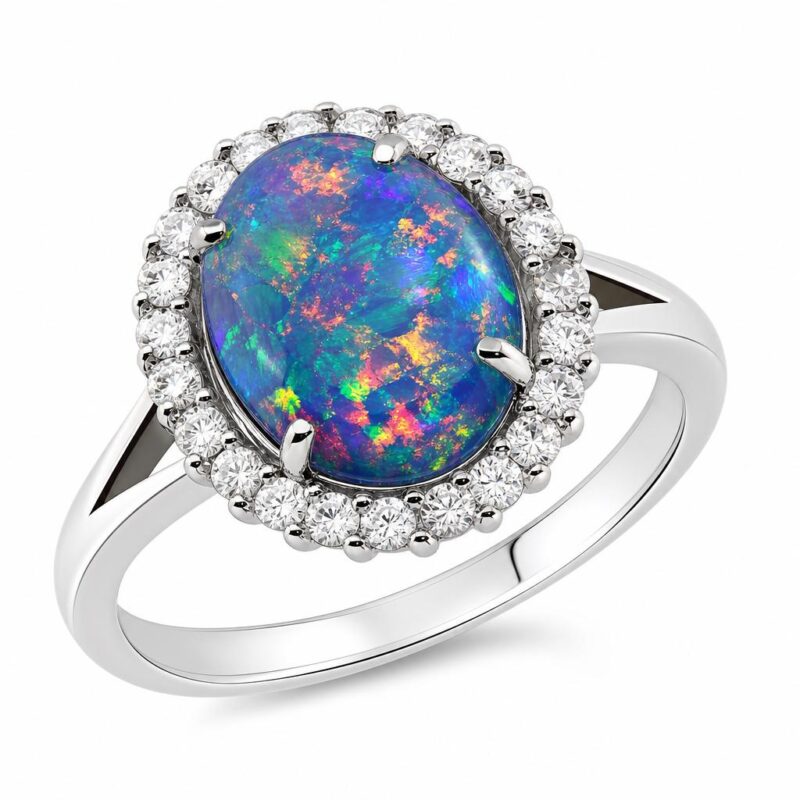
Opals are one of the most captivating gemstones in the world, renowned for their play-of-color. These stones display a liquid rainbow within their delicate structure, shifting and swirling as they catch the light from different angles. A wedding band crafted with opal offers a mesmerizing visual experience—each turn reveals new hues and patterns, making it truly one-of-a-kind. No two opals are identical, which adds to their appeal for those seeking a wedding ring that’s as distinctive as their relationship.
Historically, opals have been treasured for thousands of years. Ancient civilizations regarded them as mystical stones, believed to carry divine energies and protective powers. Aboriginal Australians consider opal to be a sacred gift from the sky, containing the energy of thunderstorms and rainbows. In the Middle Ages, opals were thought to bring good luck and ward off evil spirits. Today, their symbolism continues to resonate—representing hope, purity, and the unique beauty of individual identity.
When choosing an opal wedding band, it’s important to consider the different types of opals—precious, wild, and fire opal. Precious opals, with their characteristic play-of-color, are the most sought after for wedding jewelry. These opals can be cut into cabochons or set in intricate designs to maximize their visual impact. Wild opals tend to have more chaotic color patterns, offering a more bohemian and artistic appeal, ideal for those who want their wedding band to stand out as a statement piece. Fire opals, with their warm, fiery hues ranging from yellow to bright red, evoke passion and energy, making them an excellent choice for couples who want a bold symbol of their love.
Pairing an opal with a band style offers tremendous creative opportunities. For example, an ultra-feminine, delicate band with small, well-polished opals can evoke elegance and subtlety. Conversely, a more modern design might feature a broad band with a single large opal centerpiece or a mosaic of smaller stones, creating a stunning contrast that combines traditional symbolism with contemporary fashion. Metal choices also influence the overall aesthetic; platinum or white gold can enhance the opal’s luminous qualities, while yellow or rose gold can add warmth, complementing the fiery tones or creating a softer, romantic look.
One consideration when opting for an opal wedding band revolves around durability. Opals are softer than diamonds or sapphires, registering around 5.5 to 6.5 on the Mohs scale. This means they require careful handling to avoid scratches or chips. Setting opals in protective bezel settings can help safeguard the stone while showcasing it beautifully. Many jewelers also recommend setting opals in a way that minimizes exposure to harsh chemicals or extreme impacts—especially important for daily wear. This consideration isn’t meant to deter you but rather to ensure your wedding band remains as stunning years down the line as it was on your wedding day.
Another popular trend in opal wedding bands involves incorporating other gemstones, often accent stones like diamonds or sapphires, to frame or complement the opal. These combinations enhance the visual depth and add subtle sparkle, creating a balanced blend of color and brilliance. Some couples opt for custom-designed bands where the opal is the focal point, surrounded by intricate metalwork or engraved details that personalize the piece even further. The versatility of opal allows for a broad spectrum of stylistic expression—whether you prefer classic, vintage, or modern aesthetics.
Choosing an opal wedding band is also an emotional decision. For many, the beauty of opal mirrors the complexities and depths of love—ever-changing, vibrant, and uniquely beautiful. Whether you’re drawn to the rainbow play-of-color or the mystical lore surrounding the stone, an opal ring can serve as a powerful symbol of your journey together. It’s an ideal choice for readers who want a wedding band that isn’t just precious but also deeply meaningful, blending aesthetic appeal with personal significance.
Transitioning from tradition to trend, personalized opal wedding bands are becoming increasingly popular. Customization allows couples to craft a piece that truly reflects their style and story. You might choose to inscribe a special date or message inside the band, or select a unique combination of metal and opal cut that resonates with your personality. Many jewelers offer bespoke services where you can pick the type of opal, the setting, and even incorporate additional gemstones or embellishments to elevate the design.
One of the most enchanting aspects of an opal wedding band is its adaptability to various styles. For those who love vintage or antique-inspired jewelry, an opal set in intricate filigree or surrounded by milgrain detailing evokes timeless elegance. Alternatively, modern minimalist designs featuring a clean band with a single, prominently-set opal create a sleek and sophisticated look. Bohemian couples often gravitate toward organic, unrefined textures or mixed metals, emphasizing the natural beauty of the stone.
For lovers of symbolism, an opal wedding band can be a powerful talisman. Known for its connection to creativity and imagination, opal stimulates the mind and encourages emotional expression. It’s believed to strengthen intuition and promote positivity, making it an ideal gemstone for sharing life’s transformative journey. In that spirit, a wedding band featuring an opal can serve as a daily reminder to nurture your inner passions and embrace change together.
Caring for an opal wedding band requires some special considerations. Since opals contain a significant amount of water—sometimes up to 20%—they are sensitive to extreme temperatures and prolonged exposure to water. Regular cleaning with mild soap and a soft cloth is usually sufficient, but you should avoid ultrasonic cleaners or harsh chemicals. Also, storing your opal ring separately from other jewelry minimizes scratching risks, given its softness. When it’s not being worn, keeping it in a padded jewelry box helps preserve its beauty and integrity.
If you’re considering a custom opal wedding band, collaborating with a skilled jeweler who understands the nuances of the gemstone is essential. They can help you select the right type of opal, choose the appropriate setting for durability, and design a band that fits perfectly with your lifestyle. Many artisans can also incorporate sentimental elements—such as birthstones, initials, or meaningful symbols—into the design, turning your wedding band into a personal masterpiece.
Beyond traditional wedding bands, opal jewelry also makes an excellent engagement ring or anniversary gift, especially for those who love gemstones with personality. Its vibrant play-of-color can symbolize the colorful moments in your relationship—the highs, lows, surprises, and serenity—all melded into a single, stunning piece. Giving or receiving an opal ring can be a deeply emotional gesture, capturing the essence of love’s ever-changing but enduring nature.
In recent years, the popularity of ethical and sustainable gemstones has also influenced the choice of opals. Mined responsibly, opals can be sourced with minimal environmental impact and fair labor practices, adding an ethical dimension to their beauty. Some jewelry designers work directly with miners or community cooperatives in Australia and Ethiopia, ensuring that the craftsmanship and sourcing uphold high standards. This conscientious approach makes wearing an opal wedding band not just a statement of love, but also a conscious act of support.
Looking ahead, the future of opal wedding bands appears bright and promising. As design techniques evolve and consumer preferences shift towards more personalized and meaningful jewelry, opals are poised to remain a favorite. Whether set in vintage-inspired rings, modern minimalist bands, or sculptural art pieces, their dazzling colors and deep symbolism ensure they stand out as a special choice for couples embarking on their journey together.
Choosing an opal wedding band is more than just picking a piece of jewelry; it’s about embracing a symbol of beauty, change, and individuality. It’s about finding a ring that resonates with your personal story and the vibrant colors of your love. If you’re captivated by the idea of a gemstone that embodies imagination, romance, and mystery, then an opal wedding band might just be the perfect expression of your commitment. Its enchanting hues and timeless allure make it a truly exceptional choice—one that will continue to inspire smiles for generations to come.
Related Articles
Continue reading for more gemstone guides:
- The Ultimate Guide to Opal Rings: Types, Colors, and Meaning
- Moss Agate Rings: Nature’s Beautiful Gemstone for Everyday Elegance
- Sapphire vs Ruby vs Emerald: Which Gemstone Ring Is Right for You?
- How to Care for Your Gemstone Jewelry: Expert Tips for Long-Lasting Beauty
What Are Opal Rings?
Opal rings are among the most visually captivating gemstone jewelry in the world. Known as the “gem of gems” since Roman times, opals are formed from silica gel that seeps into cracks and fissures in rocks, eventually hardening into this remarkable mineraloid. Unlike most gemstones, opals are not crystalline structures—they’re composed of tiny silica spheres that diffract light, creating the famous “play of color” that makes each opal unique.
The value of an opal ring depends on several factors: the intensity and range of its color play, the background color (black and dark body tones command higher prices), the pattern displayed (harlequin and pinfire are highly sought after), and the absence of cracks or crazing. According to the Gemological Institute of America (GIA), the most valuable opals display a full spectrum of colors with intense saturation.
Opals come from several sources worldwide. Ethiopia produces Welo opals known for their large size and dramatic color play, while Australia remains the source of the finest precious opals, particularly from the Lightning Ridge mine where black opals are mined. Mexico is famous for its fire opals, which range from honey yellow to vibrant orange-red.
Types of Opal for Rings
Black Opal: The rarest and most valuable type, primarily from Lightning Ridge, Australia. Its dark body tone makes the color play appear more vivid and saturated.
White/Freeze Opal: From Australia’s Etheridge Creek, these have a white or pale body tone with exceptional color play, resembling a freeze-frame of colors.
Fire Opal: From Mexico, these translucent stones range from yellow to red, some displaying no color play but prized for their warm body color.
Crystal Opal: Transparent to translucent with excellent color visibility through the stone, valued for both beauty and durability in rings.
How to Care for Your Opal Ring
Opals are relatively soft stones (5.5-6.5 on the Mohs scale) and contain water (3-10%), making them delicate compared to diamonds or sapphires. Proper care ensures your opal ring remains beautiful for generations.
Avoid extreme temperature changes — sudden heat or cold can cause cracking. Remove your opal ring before swimming — chlorine damages the stone’s surface. Store separately from harder gems to prevent scratches. Clean with a soft, damp cloth — never use ultrasonic cleaners or harsh chemicals.
The International Gemological Society (IGS) recommends rehydrating your opal occasionally if you live in a dry climate. Place the stone near a water source (not directly in water) for a few hours every few months, then wipe gently with a soft cloth.
Why Choose an Opal Ring?
Opals symbolize hope, purity, and truth. As the October birthstone, they carry deep cultural significance across many traditions. No two opals are alike, making each opal ring a truly unique piece of jewelry. Many jewelry experts recommend opal rings for those who want something truly distinctive—your opal will be one-of-a-kind, just like the person wearing it.
At ETYGEM, we source certified natural opals from trusted mines worldwide, ensuring every ring meets the highest quality standards. Our collection includes everything from affordable everyday opal rings to investment-grade precious opal pieces.
Opal Ring Settings
For ring wear, certain settings protect opals better than others. Halo settings surround the opal with smaller diamonds or gemstones, providing extra protection. Bezel settings encircle the stone with metal, offering maximum security. Three-stone settings with opal as the center stone create a beautiful combination with complementary side stones. Consider the metal choice too — yellow gold enhances warm opal colors, while white gold or platinum complements cooler tones.
Find Your Perfect Ring at ETYGEM
Ready to find the ring of your dreams? Our curated collection features hand-selected gemstones, expert craftsmanship, and competitive pricing. Browse our {cat} collection and discover the perfect piece that speaks to you.
Every ETYGEM purchase includes: certification of authenticity, lifetime warranty on the setting, free resizing, and 30-day hassle-free returns. Shop with confidence knowing you’re getting exceptional value and quality.
Frequently Asked Questions
What is the best gemstone for an engagement ring?
While diamonds remain the most popular choice, sapphires, moissanite, and morganite are excellent alternatives that offer similar durability at lower cost. The best choice depends on your personal style, budget, and values. For everyday durability, sapphires (9 Mohs) and moissanite (9.25 Mohs) are top choices alongside diamonds.
How should I care for my gemstone ring?
Clean your ring monthly with warm soapy water and a soft brush. Remove before swimming, cleaning, or heavy physical work. Have it professionally inspected every 6-12 months. Store separately from other jewelry to prevent scratches.
Are lab-created or natural gemstones better?
Both have advantages. Natural gemstones are formed over millions of years and have unique characteristics. Lab-created stones offer identical chemical composition at a lower price. At ETYGEM, we offer both options so you can choose what aligns with your values and budget.
What metal is best for a gemstone ring?
Platinum and white gold complement cool-toned stones like sapphires and diamonds. Yellow gold enhances warm stones like morganite and citrine. Rose gold creates beautiful contrast with both cool and warm stones. The best choice depends on your skin tone and personal style.
Does ETYGEM offer warranties and returns?
Yes! All ETYGEM rings come with a lifetime warranty on the setting, complimentary resizing, and a 30-day hassle-free return policy. We also provide certification of authenticity for all gemstones, ensuring you receive exactly what you paid for.
What Makes Opal Wedding Rings So Special?
Opals are often called the “queen of gemstones” because of their mesmerizing display of color. Each opal is entirely unique, exhibiting a dynamic spectrum of hues—from fiery reds and oranges to cool blues and greens—that dance across its surface as light shifts. This phenomenon, known as play-of-color, is caused by the intricate internal structure of silica spheres within the stone, which diffract light in various directions.
According to the International Gem Society (IGS), opals are composed of hydrated silica and can contain up to 20% water. This unique composition gives each stone its distinctive optical properties, making every opal wedding ring a truly one-of-a-kind piece.
Imagine a wedding ring that mirrors the kaleidoscope of emotions and moments shared in a lifelong partnership. Opals offer just that—an ever-changing palette that symbolizes the fluidity of love, growth, and the colorful journey of life together.
Boulder Opal
Boulder opals form naturally within ironstone host rock, creating unique patterns where the opal veins run through the matrix. These stones offer exceptional durability compared to other opal types, making them an excellent choice for wedding rings worn daily.
Mohs Hardness and What It Means for Daily Wear
Opals rate 5.5 to 6.5 on the Mohs scale of mineral hardness. For comparison, diamonds rate 10, sapphires rate 9, and everyday dust particles (quartz) rate 7. This means an unprotected opal can be scratched by common environmental materials. However, this does not disqualify opals from wedding ring use — it simply means the setting design and wearer habits must compensate for the stone’s relative softness.
Structural Vulnerabilities to Address
Beyond surface hardness, opals have specific structural characteristics that wedding ring buyers must understand:
- Water content: Opals contain 3-21% water by weight. Extreme dehydration can cause internal cracking called “crazing”
- Thermal sensitivity: Rapid temperature changes can stress the stone’s internal structure
- Chemical sensitivity: Household cleaners, chlorine, and even some cosmetics can damage opal surfaces
- Impact vulnerability: Sharp impacts can chip or fracture the stone, especially at exposed edges
The International Gem Society (IGS) notes that with proper setting design and care practices, opals can successfully serve as wedding ring stones for decades. The key is informed selection and committed maintenance.
Understanding Opal: A Gem of Many Hues
Opal is a non-crystalline form of silica, celebrated for its unique internal structure that diffracts light to display a spectrum of colors. This phenomenon, known as “play-of-color,” makes each stone utterly unique. Before purchasing, it’s crucial to understand the different types of opal available for jewelry.
Primary Types of Opal for Rings:
Solid Opal: A natural opal that has been cut and polished from a single piece of rough material. It is the most valuable and sought-after type.
Doublet Opal: A thin layer of solid opal glued to a backing material, usually black glass or common opal (potch). This enhances the color but makes the stone more vulnerable to damage.
Triplet Opal: A doublet with a clear, domed cap (often quartz or synthetic spinel) glued on top to protect the delicate opal layer.
For a piece of jewelry worn daily, like a wedding ring, a solid opal or a high-quality triplet offers the best balance of beauty and durability.
Essential Buying Guide: Key Considerations
When evaluating an opal wedding ring, several factors determine its beauty, value, and longevity.
1. Opal Specifications and Quality
The value of an opal is judged by a combination of its body tone, play-of-color, pattern, and clarity.
| Feature | Description | What to Look For |
| :— | :— | :— |
| Body Tone | The base color of the opal, ranging from black or dark gray to white or crystal. | Darker body tones (e.g., black opal) typically make the play-of-color more vibrant and are often more valuable. |
| Play-of-Color | The range and brilliance of the spectral colors displayed. | Look for a bright, vibrant display with multiple colors. Red flashes are rarer than blue or green. |
| Pattern | The arrangement of the color flashes. | Desirable patterns include harlequin (broad, angular patches), flagstone, and ribbon. |
| Clarity | The transparency and presence of cracks or inclusions. | For solid opals, a clear, bright stone is ideal. Avoid any stones with visible cracks (crazing). |
2. Ring Setting and Metal Choice
The setting is not just about aesthetics; it is critical for protecting the opal.
Bezel Setting: A metal rim encircles the opal, holding it securely in place. This is the most recommended setting for opal wedding rings as it offers superior protection from knocks and impacts.
Claw Setting: Metal prongs hold the stone. While it allows more light in, it leaves the opal’s edges exposed and is less secure.
Channel Setting: Smaller opals are set into a channel within the band. This can be a secure option for accent stones.
The best metal choices for opal rings are platinum and white, yellow, or rose gold. Ensure the setting is substantial enough to protect the stone without obscuring its beauty.
3. Durability and Care
Opal is a softer gemstone, rating 5.5 to 6.5 on the Mohs scale of hardness. This means it requires more care than a diamond or sapphire. It is also contains water content, making it sensitive to sudden temperature changes and harsh chemicals.
Essential Care Checklist:
Remove your ring during household chores, gardening, or any strenuous activity.
Avoid exposure to cosmetics, perfumes, and cleaning products.
Clean with only a soft, damp cloth and mild soap; never use ultrasonic cleaners or steamers.
Store separately from other jewelry to prevent scratches.