The Ultimate Guide to Choosing a Sapphire Ring
For two decades, I have guided clients through the intricate world of fine jewelry, specializing in gemstone selection and setting. A sapphire ring represents a significant investment, blending timeless elegance with personal meaning. This guide distills my professional experience to help you make an informed and confident purchase, focusing on the key attributes that define a ring’s quality and value.
Understanding Sapphire Quality
The value and beauty of a sapphire are determined by a combination of factors often referred to as the “Four Cs,” adapted from diamonds but with critical distinctions for colored gems.
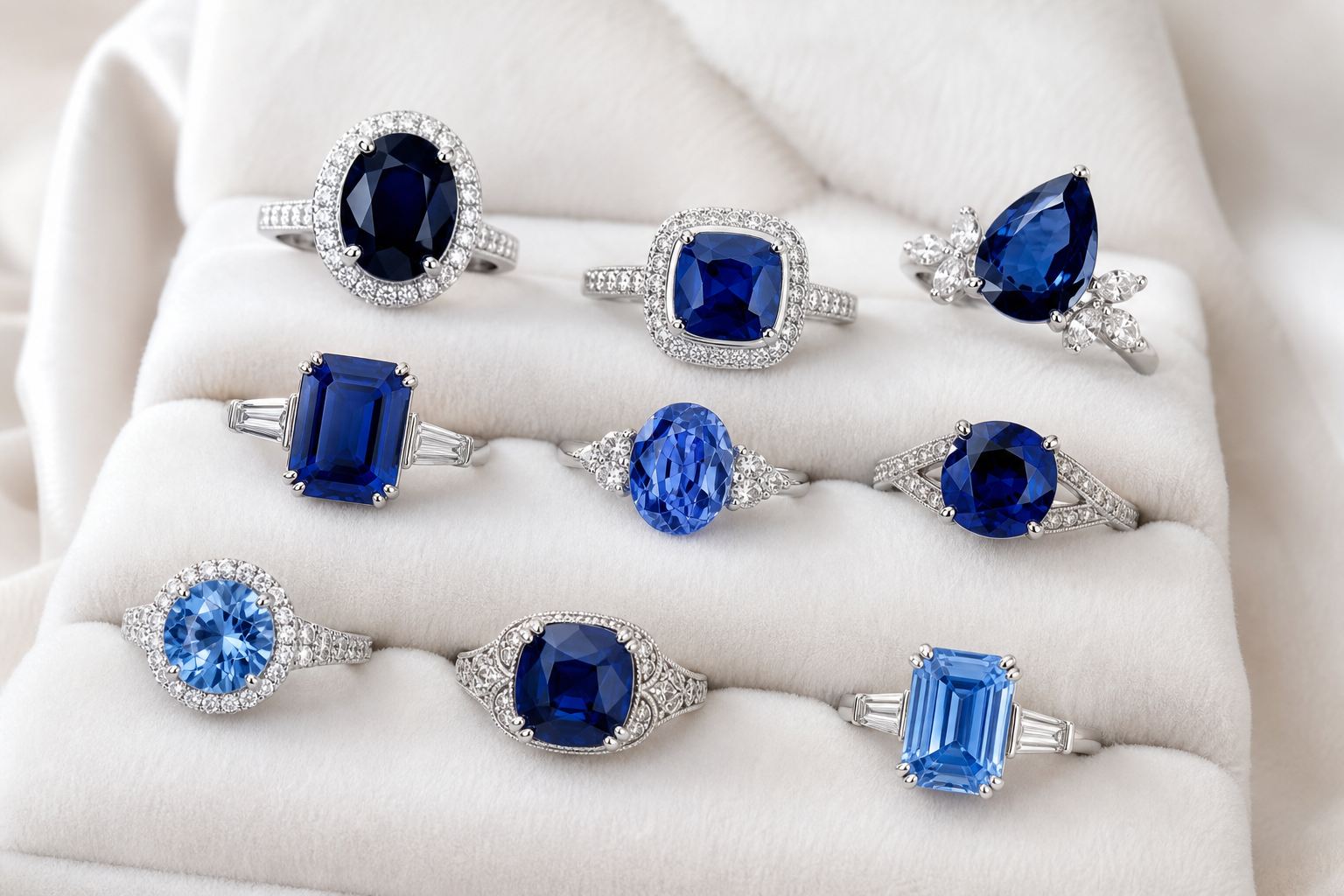
- Color: This is the most important factor for sapphires. The most prized sapphires possess a vivid, medium to medium-dark blue tone. Look for a pure, saturated color without being overly dark or too pale. Sapphires also come in a stunning array of other hues, known as “fancy sapphires,” including pink, yellow, and padparadscha (a rare pink-orange).
- Clarity: Sapphires naturally form with internal characteristics called inclusions. A high-quality sapphire will have no inclusions visible to the unaided eye. Some inclusions, like fine silk, can create a velvety appearance (as in Kashmir sapphires) without negatively impacting the stone’s beauty.
- Cut: A masterful cut is essential for unlocking a sapphire’s brilliance and color. The cutter must balance maximizing carat weight, preserving color saturation, and achieving optimal light return. A poor cut can make even a high-color stone appear dull or lifeless.
- Carat Weight: This refers to the gemstone’s size. Larger sapphires are rarer, but a smaller stone with exceptional color and clarity will always be more valuable than a larger, inferior-quality one.
Detailed Product Specifications
When evaluating a sapphire ring, it is crucial to consider the complete piece, not just the center stone. The following specifications provide a professional framework for assessment.
Common Sapphire Ring Settings:
- Prong Setting: Uses metal claws to secure the stone, maximizing light exposure and brilliance.
- Bezel Setting: A metal rim encircles the gemstone’s girdle, offering superior security and a modern aesthetic.
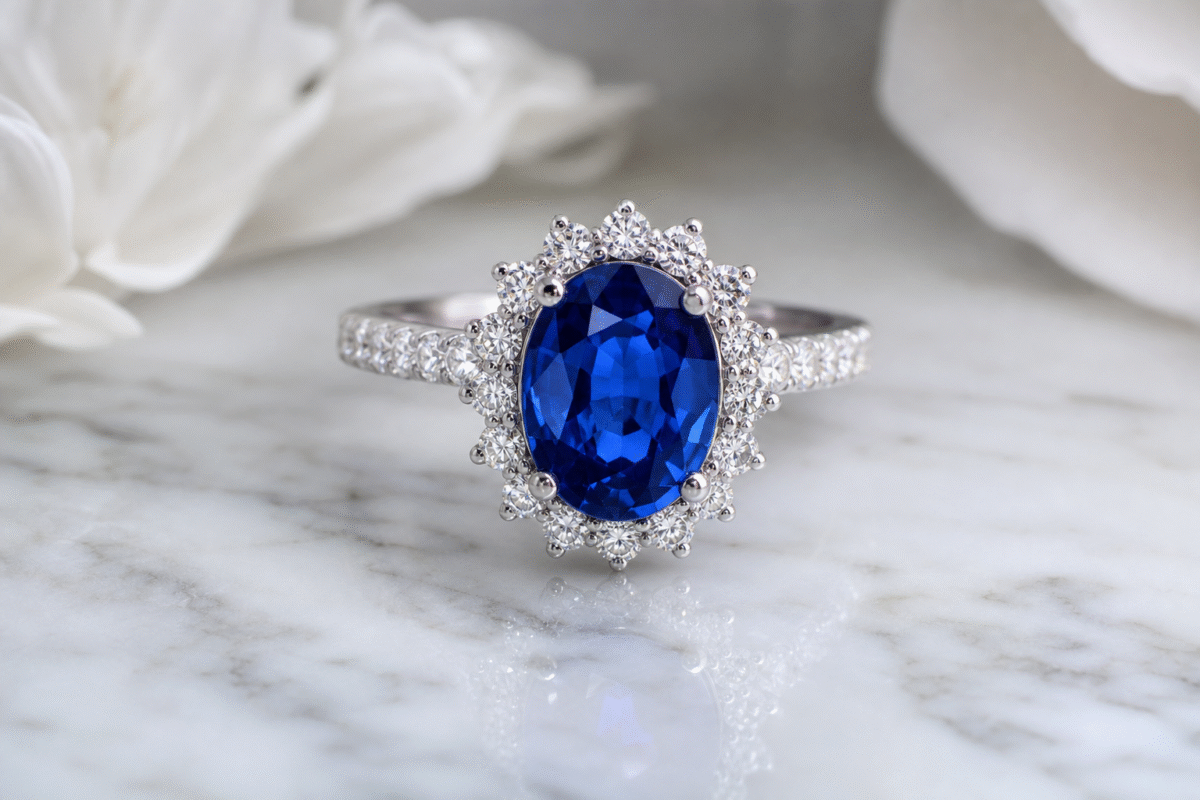
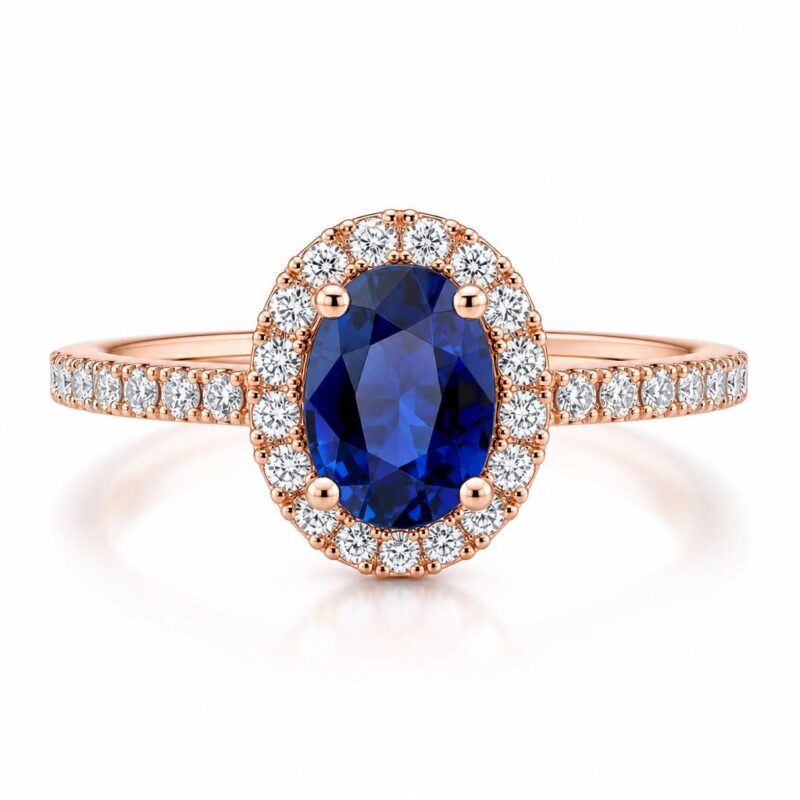
- Halo Setting: The center sapphire is surrounded by a circle of smaller diamonds or gemstones, enhancing its perceived size and sparkle.
- Three-Stone Setting: Features a central sapphire flanked by two accent stones, often symbolizing the past, present, and future.
Sapphire Ring Specification Table
| Feature | Specification | Description & Importance |
|---|---|---|
| Gemstone | Natural Sapphire | Origin (e.g., Ceylon, Madagascar) can influence value. Treatments (e.g., heat) should be disclosed. |
| Metal Purity | 14k, 18k, or Platinum | Determines durability, color (white, yellow, rose gold), and intrinsic metal value. |
| Ring Shank | Solid, Comfort-fit | A solid shank ensures longevity. Comfort-fit bands are shaped for easier wear. |
| Setting Style | As listed above | Impacts the ring’s security, style, and how the main stone is presented. |
| Hallmarks | Maker’s & Assay Marks | Stamped inside the band, these verify the metal’s purity and the jeweler’s authenticity. |
Frequently Asked Questions (FAQs)
Q: Are sapphire rings suitable for daily wear?
A: Yes, absolutely. Sapphires are exceptionally durable, ranking 9 on the Mohs scale of mineral hardness, second only to diamonds. This makes them highly resistant to scratching and ideal for an engagement ring or a piece of jewelry worn every day. Proper setting and periodic professional check-ups will ensure the ring remains secure for a lifetime.
Q: How should I clean and care for my sapphire ring?
A: Regular, gentle cleaning will maintain its sparkle. Prepare a solution of warm water with a few drops of mild dish soap. Soak the ring for 15-20 minutes, then gently scrub with a soft-bristled toothbrush to remove dirt and oils from behind the stone. Rinse thoroughly and pat dry with a lint-free cloth. It is also advisable to have it professionally cleaned and inspected by a jeweler every six to twelve months.
Q: What is the difference between a natural and a lab-created sapphire?
A: The fundamental difference is origin. Natural sapphires are formed by geological processes over millions of years within the earth, and their rarity is a primary driver of value. Lab-created sapphires possess identical chemical, physical, and optical properties but are grown in a controlled laboratory environment in a matter of weeks. They are a more affordable option, but they do not hold the same long-term value or rarity as their natural counterparts. Reputable jewelers will always disclose this information transparently.
Investing in a sapphire ring is a decision that merges aesthetic desire with practical consideration. By applying this professional knowledge of gemology and craftsmanship, you can select a ring that embodies both exceptional quality and enduring personal significance.The Ultimate Guide to Choosing a Sapphire Ring: A Mark of Distinction
For over two decades, I have guided countless clients through the intricate world of fine jewelry, specializing in gemstone acquisitions. The sapphire ring stands as a perennial symbol of royalty, wisdom, and enduring commitment. Its allure is timeless, yet the process of selecting the perfect stone requires a nuanced understanding of quality and value. This guide leverages decades of industry experience to provide a comprehensive, authoritative resource for your purchase decision, ensuring you invest in a piece of exceptional beauty and lasting worth.
Understanding Sapphire Quality: The Core Specifications
A sapphire’s value is not determined by a single factor but by a harmonious blend of several key characteristics, traditionally known as the Four Cs, with the addition of origin.
1. Color: The Primary Consideration
While blue is the classic choice, sapphires naturally occur in every color except red (which is a ruby). The most prized blue sapphines possess a vivid, medium to medium-dark tone with a strong, pure
What Makes Sapphire Rings Special?
Sapphires are among the most beloved gemstones in the world, ranking second only to diamonds in hardness on the Mohs scale at 9. This exceptional durability, combined with their stunning color range, makes sapphire rings an excellent choice for everyday wear — particularly engagement rings.
While blue sapphires are the most famous variety, sapphires actually come in every color except red (if it’s red, it’s a ruby — both are varieties of the mineral corundum). Pink, yellow, purple, green, and even color-changing sapphires are all real and highly valued by gem collectors.
According to the Gemological Institute of America (GIA), the most valuable sapphires display a vivid, medium-to-medium-dark blue saturation with no obvious color zoning. Kashmir sapphires are considered the finest, followed by Burmese (Myanmar) and Ceylon (Sri Lankan) stones.
Sapphire Ring Types and Origins
Blue Sapphire: The classic choice, ranging from pale sky blue to deep cornflower and midnight blue. Kashmir, Sri Lanka, and Madagascar are top sources.
Pink Sapphire: A romantic alternative to blue, pink sapphires have surged in popularity for engagement rings. They offer the same durability as blue sapphires with a softer, feminine appeal.
Yellow/Sapphire: Also known as citrine sapphire, these golden stones are warm and sunny, perfect for those who want something outside tradition.
Color-Change Sapphire: A rare phenomenon where the stone appears blue in daylight and violet under incandescent light. This dramatic color shift makes them collector’s items.
Sapphire Ring Care and Durability
With a hardness of 9 on the Mohs scale, sapphires are the second hardest naturally occurring mineral after diamond (10). This makes sapphire rings exceptionally suitable for daily wear. They can withstand normal activities, though you should still remove them during heavy physical work or exposure to harsh chemicals.
Clean your sapphire ring with warm soapy water and a soft brush — this is safe and effective. The American Gem Society (AGS) notes that sapphires from most commercial sources are heated to improve color and clarity, which is an accepted and stable treatment that doesn’t require special care beyond normal gemstone maintenance.
Why Choose Sapphire for an Engagement Ring?
Sapphire engagement rings have royal pedigree — Princess Diana’s (and now Catherine, Princess of Wales’) iconic 12-carat blue sapphire engagement ring has inspired a generation of women to choose sapphires. But beyond fame, sapphires offer genuine advantages: they’re durable, available in a rainbow of colors, ethically sourced options are plentiful, and they provide exceptional value compared to diamonds of similar quality.
At ETYGEM, all our sapphires are certified natural gemstones, sourced responsibly from mines in Sri Lanka, Madagascar, Australia, and Africa. Each stone comes with a certificate of authenticity and our commitment to quality craftsmanship in every setting.
Find Your Perfect Ring at ETYGEM
Ready to find the ring of your dreams? Our curated collection features hand-selected gemstones, expert craftsmanship, and competitive pricing. Browse our {cat} collection and discover the perfect piece that speaks to you.
Every ETYGEM purchase includes: certification of authenticity, lifetime warranty on the setting, free resizing, and 30-day hassle-free returns. Shop with confidence knowing you’re getting exceptional value and quality.
Frequently Asked Questions
What is the best gemstone for an engagement ring?
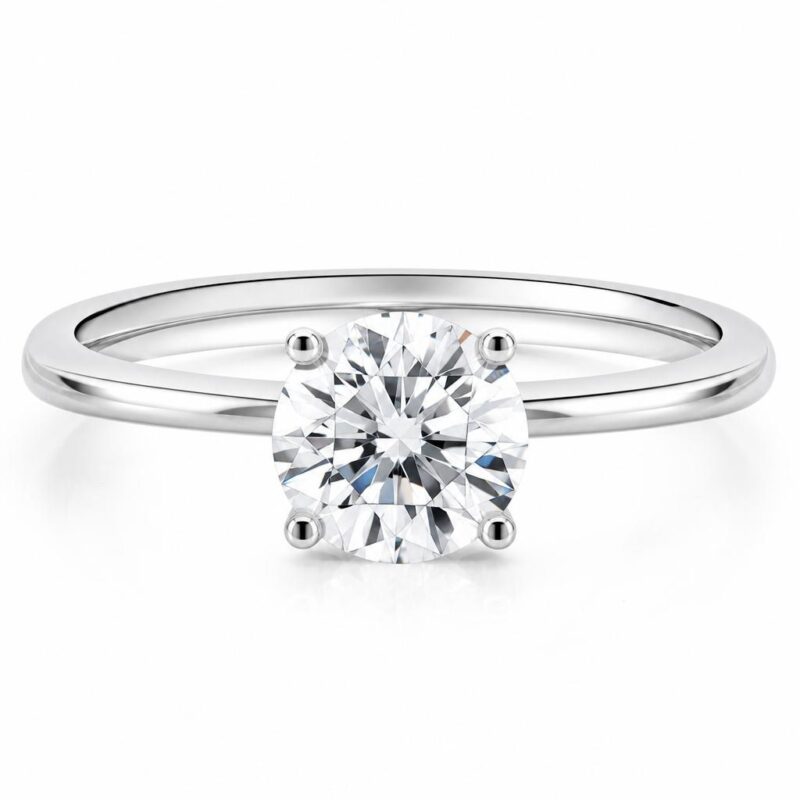
While diamonds remain the most popular choice, sapphires, moissanite, and morganite are excellent alternatives that offer similar durability at lower cost. The best choice depends on your personal style, budget, and values. For everyday durability, sapphires (9 Mohs) and moissanite (9.25 Mohs) are top choices alongside diamonds.
How should I care for my gemstone ring?
Clean your ring monthly with warm soapy water and a soft brush. Remove before swimming, cleaning, or heavy physical work. Have it professionally inspected every 6-12 months. Store separately from other jewelry to prevent scratches.
Are lab-created or natural gemstones better?
Both have advantages. Natural gemstones are formed over millions of years and have unique characteristics. Lab-created stones offer identical chemical composition at a lower price. At ETYGEM, we offer both options so you can choose what aligns with your values and budget.
What metal is best for a gemstone ring?
Platinum and white gold complement cool-toned stones like sapphires and diamonds. Yellow gold enhances warm stones like morganite and citrine. Rose gold creates beautiful contrast with both cool and warm stones. The best choice depends on your skin tone and personal style.
Does ETYGEM offer warranties and returns?
Yes! All ETYGEM rings come with a lifetime warranty on the setting, complimentary resizing, and a 30-day hassle-free return policy. We also provide certification of authenticity for all gemstones, ensuring you receive exactly what you paid for.